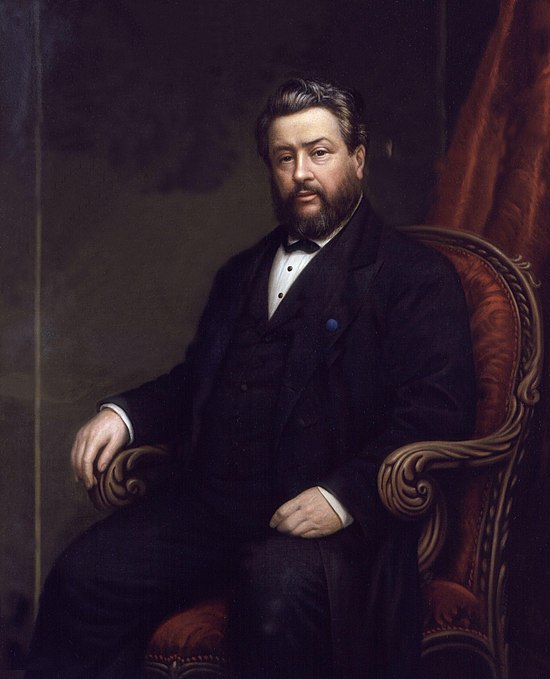
C. H. Spurgeon's sermon, "Three Decisive Steps," focuses on the theme of repentance and restoration to God as illustrated in 1 Samuel 7:2-5 and supported by Romans 8. He argues that the Israelites were in a state of double bondage, suffering under the Philistines while clinging to idolatry. Spurgeon highlights Samuel's call for the people to put away their strange gods and wholeheartedly return to the Lord, emphasizing that spiritual renewal requires sincere confession, heartfelt preparation, and a commitment to serving God alone. The practical significance lies in the assertion that true repentance involves both abandoning sin and actively pursuing a relationship with God through faith in Christ as the ultimate mediator and sacrifice. This dual movement of turning from sin and turning to God is central to Reformed theology, particularly the doctrines of total depravity and effectual calling.
Key Quotes
“If ye do return unto the Lord with all your hearts, then put away the strange gods...and serve him only.”
“You cannot get through that prayer, much less get through the narrow gate, so long as malice is in your heart.”
“Salvation means being delivered from the power of sin...and this salvation is to be gained through faith in Jesus Christ.”
“I charge you, seek Him. Put away your idols, prepare your hearts, trust in Jesus and serve the Lord only.”
The Bible calls for repentance and returning to God with all your heart, as seen in 1 Samuel 7:2-5.
In 1 Samuel 7:2-5, Samuel urges the Israelites to return to the Lord with all their hearts. The process involves putting away false gods and turning back to true worship of Jehovah. This call to repentance is not merely an emotional response; it necessitates concrete actions that demonstrate a sincere desire to seek God and abandon idolatry. True repentance reflects an understanding that returning to God brings spiritual restoration and liberty.
1 Samuel 7:2-5
Faith in Christ is essential for salvation as John 3:16 illustrates that belief in Him leads to eternal life.
The assurance of salvation through faith in Christ is emphasized throughout Scripture, particularly in passages like John 3:16, which reveals that 'whosoever believes in Him shall not perish, but have everlasting life.' This fundamental truth is rooted in the idea that Christ's sacrifice is sufficient for atonement and that through faith, believers are cleansed and restored. The act of believing in Christ assures individuals of their redemption and acceptance into God's family, as He intercedes on behalf of those who trust in Him.
John 3:16, Hebrews 7:25
Putting away idols is crucial because idolatry hinders true worship and relationship with God.
Idolatry, whether in physical forms like statues or metaphorical ones like self-confidence and sin, compromises the believer's relationship with God. In 1 Samuel 7:3, Samuel instructs the Israelites to 'put away the strange gods.' This action signifies a wholehearted commitment to the worship of the one true God. For Christians, this means identifying and renouncing anything that takes God's place in their lives, ensuring that He alone is prioritized as the source of strength, hope, and guidance. The imperative to break these idols is echoed in the New Testament, commanding believers to flee from sin and embrace a life dedicated to serving God.
1 Samuel 7:3, 1 John 5:21
Christians prepare their hearts through confession, sincere resolve, and fervent prayer.
Preparing one's heart for God is a multifaceted process involving genuine confession of sins, a resolute decision to turn away from those sins, and earnest prayer seeking God’s help. In 1 Samuel 7:3, the call to prepare one's heart is linked to acknowledging sin and determining to forsake it. It is important for Christians to come before God honestly, recognizing shortcomings and desiring a transformative relationship with Him. This preparation is not merely for emotional experience but is required for genuine worship and service. Throughout Scripture, such heartfelt preparation is associated with blessings and assurance of God's presence.
1 Samuel 7:3, James 4:8
Serving God is important as it aligns our lives with His will and glorifies Him.
Serving God is central to the Christian life, as seen in 1 Samuel 7:3 where Samuel commands, 'serve Him only.' This service signifies a commitment to glorifying God in every aspect of life, which is essential for spiritual growth and fulfillment. Moreover, service reflects our relationship with God and our understanding of His grace. As believers, engaging in good works is an expression of gratitude for His mercy and leads to deeper intimacy with Him. Serving God also involves obedience, declaring our loyalty to Him, and fulfilling the Great Commission to share the Gospel, thereby advancing His kingdom.
1 Samuel 7:3, Matthew 28:19-20

Comments
Your comment has been submitted and is awaiting moderation. Once approved, it will appear on this page.
Be the first to comment!