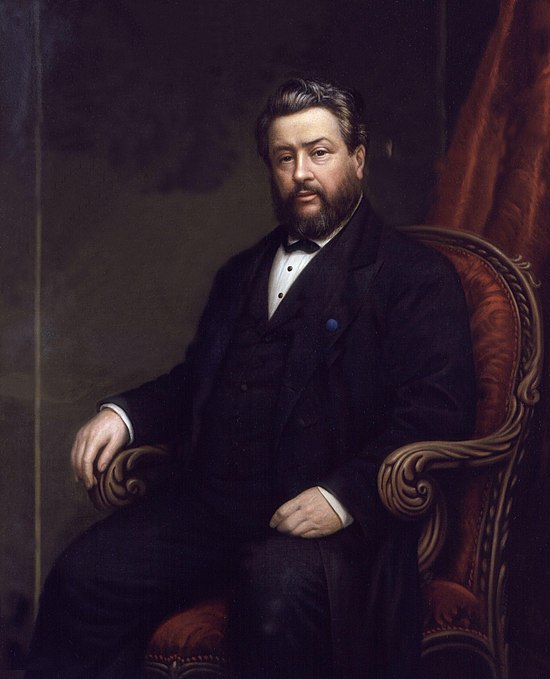
In C. H. Spurgeon's sermon "Smoking Flax!", the main theological topic addressed is the tender care of Christ for the weak and struggling believers. Spurgeon articulates that just as Christ does not quench the smoking flax, He likewise does not cast aside those who exhibit only a dim flicker of faith or who feel overwhelmed by doubt. He draws upon Isaiah 42:3 and Romans 8 to emphasize Christ's gentle handling of the feeble, contrasting this with the harsh treatment of the hypocritical Pharisees. The practical significance of this doctrine is the assurance it offers to believers who may feel spiritually depleted, affirming that their faith—no matter how small—is recognized and preserved by Christ. Ultimately, the message encourages timid and faltering Christians to trust in the Lord's sustaining power rather than their own frailty.
“He came not so much to drive out error by reason as to expel it by the natural and efficient process of putting truth into its place.”
“The smoking flax shall he not quench. What a world of mercy lies in that word. Everybody else would quench us but Christ.”
“If you can say, one thing I know, whereas I was blind, now I see, you are taught of God.”
“Despise not the day of small things, but yet advance to greater things than these.”
The Bible describes smoking flax as a metaphor for timid or feeble believers, indicating that Christ will not extinguish their flickering faith.
Isaiah 42:3, Matthew 12:20
We know Christ will not quench the smoking flax because His nature is compassionate and He promises to gently nurture even the feeblest faith.
Romans 8:38-39, Isaiah 42:3
The concept of smoking flax reminds Christians that even in their weakness, they are valued by Christ and encouraged to seek growth in their faith.
Isaiah 42:3, Matthew 12:20, Ephesians 2:8-9
Auto-generated transcript • May contain errors

Comments
Your comment has been submitted and is awaiting moderation. Once approved, it will appear on this page.
Be the first to comment!