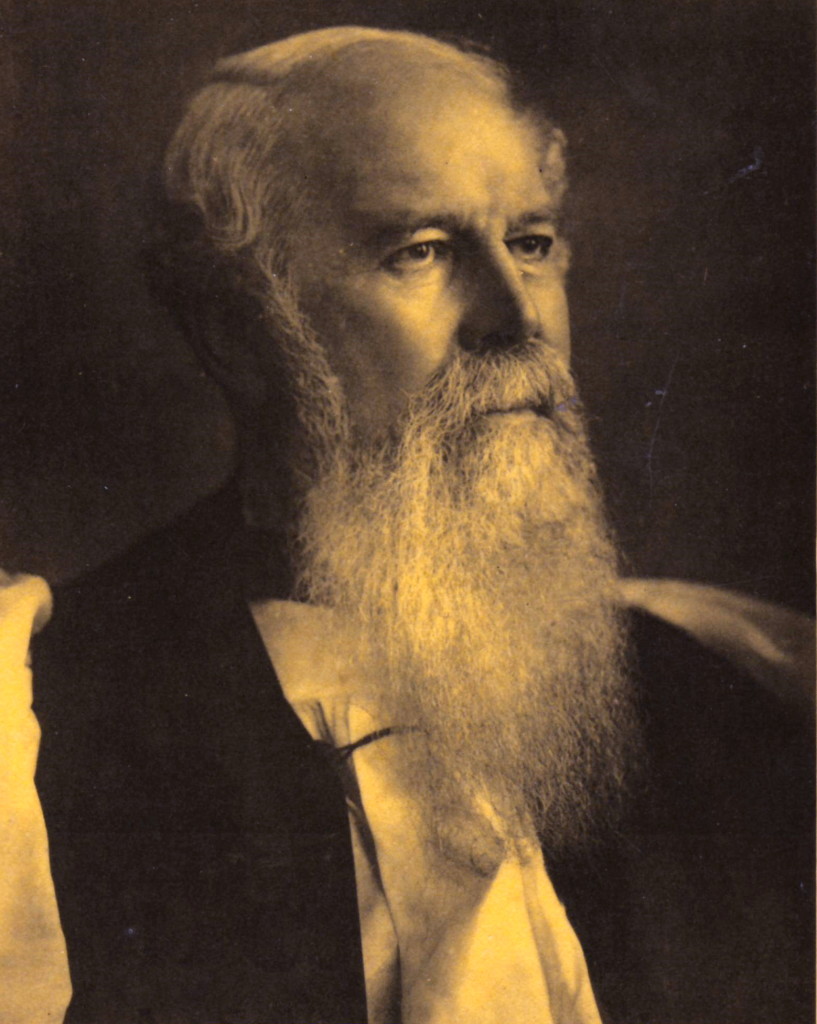
J.C. Ryle's sermon on Luke 9:7-11 addresses the profound impact of a guilty conscience, as exemplified by Herod's troubled state upon hearing news of Jesus. Ryle meticulously points out that even Herod's royal status could not shield him from the haunting memories of his sin against John the Baptist, illustrating the inescapability of divine truth and its associated guilt (Proverbs 13:15). He stresses that while conscience cannot save, it serves as a powerful reminder of sin's consequences, asserting that only Christ's blood can absolve a guilty conscience. The sermon further emphasizes the importance of spiritual retreat in the life of a believer, highlighting that even those engaged in public ministry must prioritize time for reflection and communion with God to avoid spiritual decline. Finally, Ryle extols Christ's readiness to receive all who come to Him, showing His compassion and willingness to heal the weary and burdened (Matthew 11:29), which should inspire believers to emulate such grace and patience in their interactions with others.
Key Quotes
“The way of transgressors is hard.” - Proverbs 13:15
“Nothing will ever heal [the conscience] but the blood of Christ.”
“Occasional retirement, self-inquiry, meditation, and secret communion with God are absolutely essential to spiritual health.”
“He is a saviour of infinite compassion and loving-kindness. He will not break the bruised reed nor quench the smoking flax.”
The Bible teaches that conscience is a powerful internal witness against sin, but it cannot save us.
Conscience serves as a crucial part of our human constitution, often raising a mighty testimony against sin, leading us to recognize wrongdoing. In the case of Herod the Tetrarch, his conscience was awakened when he heard news about Jesus, causing him distress due to his guilt over beheading John the Baptist. The Scripture highlights how a troubled conscience can lead to self-condemnation, as seen in Proverbs 13:15, which states, 'The way of transgressors is hard.' While conscience does not lead us to Christ or result in salvation, it is instrumental in bringing the sinner to realize the bitterness of straying from God, showcasing the importance of heeding its voice.
Proverbs 13:15, Luke 9:7-11
Private prayer and meditation are essential for spiritual health and avoiding spiritual pitfalls.
In the passage, we see that after their ministry work, the apostles took time for privacy and retreat. This act emphasizes the necessity for individuals engaged in public ministry to occasionally withdraw for self-examination and communion with God. The nemesis of neglecting this practice is significant; it can lead to spiritual backsliding and dissatisfaction, as encapsulated in the lament of neglecting one's own vineyard (Song of Solomon 1:6). Regularly engaging in private prayer is fundamental, as without it, one may become spiritually impoverished even amid active ministry. This lesson is essential for all believers, as it fosters spiritual vitality and guards against the dangers of being overly engaged in public work without inner renewal.
Song of Solomon 1:6, Luke 9:7-11
The compassion of Christ exemplifies His readiness to receive sinners and offers hope for all who come to Him.
Christ's example of compassion is of paramount importance for Christians as it reflects His nature as a Savior who welcomes all. Despite the multitude encroaching on His private moment, Jesus received them with open arms, teaching about the kingdom of God and healing those in need. This illustrates that He does not turn away anyone, regardless of their past or their current motives, showing infinite compassion and kindness. Christians are called to emulate this characteristic of Christ towards others, embodying the same willingness to offer help and understanding. As believers, we can approach Jesus without fear, confident that He will not cast us aside, aligning with Matthew 11:29, where He invites those weary and burdened to come to Him for rest. This assurance encourages believers to extend grace and compassion to those around them.
Matthew 11:29, Luke 9:7-11
Comments
Your comment has been submitted and is awaiting moderation. Once approved, it will appear on this page.
Be the first to comment!
