Bootstrap
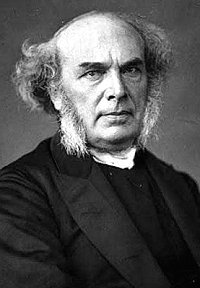
Horatius Bonar

Herod's birthday ball!

Luke 21:34; Matthew 14:6-11
Horatius Bonar August, 16 2024 Audio
0 Comments
Another insightful gem from Horatius Bonar!

In this sermon titled "Herod's Birthday Ball," Horatius Bonar addresses the topic of the dangers of worldly pleasures and their impact on the human soul, particularly in the context of Herod's extravagant celebration that ultimately leads to the beheading of John the Baptist. Bonar argues that such festivities, characterized by lust and moral decay, serve as distractions from a guilty conscience, as seen in Herod's internal turmoil amidst the revelry. He references Luke 21:34 to highlight the need for vigilance against the seductions of worldly indulgence and Matthew 14:6-11 to depict the tragic consequences of sin born out of hedonistic pleasures. The sermon underscores the grim reality that these "harmless" pleasures often lead to spiritual death and separation from God, urging believers to be wary of the allure of the world that seeks to drown the soul's cry for redemption.

Key Quotes

“O slaughterhouses of souls! O slaughterhouses reeking with blood! O lust of the flesh, lust of the eye, and pride of life, when will you cease to intoxicate and lead men captive at your will?”

“The dancers may slip their feet in it, but the dance goes on. Such was the coarse worldliness of old days. But is the refined worldliness of modern times less fatal to the soul?”

“Men call you innocent amusements. harmless pleasures. But can you be harmless? Can you be innocent when you steal away the soul from God?”

“The day of recompense is coming. Oh, deities of earth, feasts and revelings and banquetings, how often have you slain both body and soul.”

What does the Bible say about the dangers of worldliness?

The Bible warns against the seductive nature of worldliness, leading to spiritual death.

Scripture often presents worldliness as a threat to the soul, drawing individuals toward the fleeting pleasures of life that ultimately lead away from God. In Luke 21:34, we are cautioned to be on guard against the distractions of the world so that our hearts are not weighed down with dissipation and drunkenness. Herod's birthday ball exemplifies this dangerous allure, showcasing how an indulgent atmosphere can dull the conscience and lead to sinful actions, such as the beheading of John the Baptist. The revelries of this world cloak a deeper reality of spiritual death and separation from God, a central theme throughout biblical teaching on the nature of sin and its consequences.

Luke 21:34; Matthew 14:6-11

How do we know the importance of conscience in a Christian's life?

Conscience serves as an inner witness to God's truth and moral standard, guiding believers away from sin.

A well-formed conscience is crucial for Christians, as it reflects God's moral order and provides guidance in making decisions aligned with His will. In the context of Herod's actions, we see how a troubled conscience can lead one to engage in destructive behaviors in an attempt to silence the inner voice of guilt. The Bible reminds us that no matter how loud the external pleasures of the world become, the unease of the conscience remains, revealing the need for atonement and reconciliation with God. Romans 2:15 speaks to how our consciences bear witness, either accusing or defending us, emphasizing the necessity for believers to heed its promptings toward righteousness and away from sin.

Romans 2:15; Luke 21:34; Matthew 14:6-11

Why is understanding God's judgment important for Christians?

Understanding God's judgment motivates believers to live righteously and affects their eternal perspective.

The awareness of God's impending judgment fosters a sense of urgency and responsibility in the lives of Christians. The story of Herod and John the Baptist highlights the consequences of ignoring divine truth, where the pleasures of sin led to a gruesome end for the righteous. Christians are called to reflect on the reality of judgment, as noted in Scripture, where each person will stand before God to account for their deeds (2 Corinthians 5:10). This understanding cultivates a life of repentance, holiness, and steadfastness in faith, aligning one’s priorities with the eternal truths of God's Word rather than the transient delights of the world, which can often distract from a righteous path.

2 Corinthians 5:10; Matthew 14:6-11

Sermon Transcript

Auto-generated transcript • May contain errors

100%
Herod's Birthday Ball by Horatius
Bonar But at a birthday party for Herod, Herodias' daughter
performed a dance that greatly pleased him. So, he promised
with an oath to give her anything she wanted. At her mother's urging,
the girl asked, I want the head of John the Baptist on a tray. So John was beheaded in the prison,
and his head was brought on a tray and given to the girl, who took
it to her mother. Matthew 14, 6-11 Herod's birthday ball was a high
and royal festival. Pomp, splendour, luxury, and
lust were all gathered there. In the midst of the song, and
the glitter, and the mirth, there was one troubled conscience,
that of Herod, one trembling man, Herod. His soul was ill
at ease, though surrounded with all that the world could give
to banish care. His course of sin had been begun
and persevered in. He was braving out his crimes,
and, like worldly men in such circumstances, he rushes into
gaiety to drown his troubles and terrors. the pleasures of
the feast and the ballroom, the song and the dance, these are
welcomed to induce forgetfulness and minister to a diseased mind. In how many cases do men fly
to the ball, the theatre, the card-table, the tavern, the riotous
party, not simply for pleasure's sake and to taste life's glad
moments, but to drown care, to smother conscience, to efface
convictions, to laugh away the impressions of the last sermon,
to soothe an uneasy mind, to relieve the burden, to pluck
out the sting of conscious guilt. O slaughterhouses of souls! O slaughterhouses reeking with
blood! O lust of the flesh, lust of
the eye, and pride of life, when will you cease to intoxicate
and lead men captive at your will? O God-forgetting gaiety! O dazzling worldliness! O glittering halls of midnight,
when will you cease to be resorted to by men to heal the hurt of
the human soul, to still its throb and heartache, and to soothe
the unsoothable wound? It is a gay scene. The lust of
the flesh, the lust of the eye, and the pride of life are there. All that can minister to these
are there. Herod is there, feeding on lust,
drinking in pleasure, stupefying conscience. The fair daughter
is there, in all the splendour of gay wantonness, And the vile
mother is there, lascivious and revengeful, And the courtiers
are there, in pomp and glitter, Music and mirth are there, the
dance and the song are there, No note of gloom, no indication
of trouble, What a scene of mirth and revelry! These scenes of
royal vanity are instructive, for they present the world in
its most fascinating aspects. All that regal estate and princely
beauty and wealth and gold and silver and gems and tapestry
and blazing lamps can do to make this world fair is in such scenes
and haunts. These balls are the most seductive
specimens of pure worldliness that can be found. Surely the
god of this world knows how to enchant both ear and eye. In an assembly like this, the
natural man is at home. Here the unregenerate heart gets
full delight. It was during that ball that
the murder of John was plotted and consummated, that a drunken,
lustful king, urged on by two women, perpetrated that foul
deed. Such are the haunts of pleasure. Such are the masquerades of time. Lust is let loose. Revenge rises
up. Murder rages. Conscience is smothered. The floor of the ballroom is
spotted with blood. The dancers may slip their feet
in it, but the dance goes on. Such was the coarse worldliness
of old days. But is the refined worldliness
of modern times less fatal to the soul? The ball is finished,
and John lies dead in prison. What a picture of gaiety! What a specimen of ballroom revelry! And this is pleasure! This is the world's joy! Of the chief actors in this ballroom
murder, nothing more is said. They pass to the judgment seat,
there to receive sentence for lust, rage, revenge, and murder. They have sent John before them
to the presence of his judge to receive his reward. The day
of recompense is coming. Oh, deities of earth, feasts
and revelings and banquetings, how often have you slain both
body and soul. Men call you innocent amusements. harmless pleasures. But can you
be harmless? Can you be innocent when you
steal away the soul from God, when you nurse the worst lusts
of humanity, when you smother conscience, when you shut out
Jesus? when the floors on which your
votaries dance off their immortal felicity are red with the blood
of souls.
Horatius Bonar
About Horatius Bonar
Horatius Bonar (19 December 1808 — 31 July 1889), was a Scottish churchman and poet. He is principally remembered as a prodigious hymnodist. Friends knew him as Horace Bonar.
Broadcaster:

Comments

0 / 2000 characters
Comments are moderated before appearing.

Be the first to comment!

4
Joshua

Joshua

Shall we play a game? Ask me about articles, sermons, or theology from our library. I can also help you navigate the site.