Bootstrap
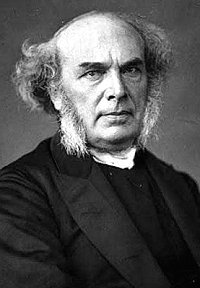
Horatius Bonar

Are we Christians--or are we worldlings?

1 John 2:15; James 4:4
Horatius Bonar December, 28 2024 Video & Audio
0 Comments
Another challenging gem by Horatius Bonar!

In Horatius Bonar's sermon titled "Are we Christians--or are we worldlings?", the main theological topic is the call to self-denial and the danger of complacency among believers. Bonar argues that many who profess Christ seem to live in a state of spiritual sloth, indulging in luxuries and comforts contrary to New Testament teachings, while neglecting true discipleship. He references 1 John 2:15 and James 4:4 to highlight the incompatibility of love for the world with love for God, emphasizing the need for genuine separation from worldly pleasures. This sermon serves as a compelling reminder of the practical significance of the cross in the life of a Christian, urging believers to embrace self-denial and active service rather than settling for a comfortable, self-seeking faith.

Key Quotes

“Woe to those who are at ease in Zion! What do we say to our self-indulgence, our spiritual sloth, our love of ease?”

“We are cowards when we should be brave. We are faint-hearted when we should be bold.”

“A self-indulgent religion has nothing in common with the cross of the Lord Jesus Christ, or with that cross of ours which he has commanded us to take up and carry after him.”

“Let us renounce the lazy, luxurious, self-pleasing, fashionable religion of the present day.”

What does the Bible say about self-denial in Christianity?

The Bible calls Christians to deny themselves and take up their cross (Luke 9:23).

In the New Testament, self-denial is a fundamental aspect of true discipleship. Jesus instructs His followers in Luke 9:23 to deny themselves and take up their cross daily, which signifies the sacrifice and commitment required to follow Him. This teaching is echoed throughout Scripture, indicating that true faith is demonstrated through selflessness and a willingness to suffer for the sake of Christ. The call to self-denial challenges the modern tendency towards comfort and luxury, urging believers to reflect on their priorities and lifestyle choices in light of the cross.

Luke 9:23

How do we know the importance of separation from the world in Christianity?

The Bible commands believers to be separate from the ways of the world (2 Corinthians 6:17).

Scripture emphasizes the necessity of separation from worldly values and behaviors for those who claim to follow Christ. In 2 Corinthians 6:17, Paul urges believers to come out from among them and be separate, which suggests an intentional distancing from the undertones of the secular world. This separation is not merely physical but also spiritual, as Christians are called to manifest a unique identity that reflects the character and holiness of God. The scriptural foundation for this separation is rooted in the understanding that friendship with the world equates to enmity with God, highlighting the stark contrast between the values of Christ's kingdom and those of the world.

2 Corinthians 6:17, James 4:4

Why is self-sacrifice important for Christians?

Self-sacrifice mirrors Christ's love and commitment to His followers (John 15:13).

Self-sacrifice is a core tenet of the Christian faith, modeled perfectly by Christ Himself, who laid down His life for His friends as stated in John 15:13. This selflessness is essential for Christians to understand as it elevates the calling to live a life that prioritizes others above oneself. When believers engage in self-sacrificial acts, they demonstrate the love of Christ, carry their cross, and bear the burdens of others. The Christian life is marked by a call to service and sacrifice rather than self-indulgence, urging believers to invest their time, abilities, and resources into the furtherance of God's kingdom.

John 15:13, Luke 9:23

Sermon Transcript

Auto-generated transcript • May contain errors

100%
Are we Christians or are we worldlings? Taken from the writings of Horatius
Bonar in his work Self-Denial Christianity. Woe to those who are at ease
in Zion. Amos chapter 6 verse 1. What do we say to? Our self-indulgence. Our spiritual sloth. Our love
of ease. Our avoidance of hardship. Our
luxury. Our pampering of the body. Our
costly feasts. Our silken couches. Our brilliant
furniture. Our gay attire. Our expensive
jewellery. Our idle mirth. Our voluptuous
music? Our jovial tables, loaded with
every variety of rich viands? Are we Christians or are we worldlings?
Where is the self-denial of the New Testament days? Where is
the separation from a self-pleasing, luxurious world? Where is the
cross, the true badge of discipleship, to be seen except in useless
religious ornaments for the body or worse than useless decorations
for the sanctuary? Woe to those who are at ease
in Zion! Is not this the description of
multitudes who name the name of Christ? They may not be living
in debauchery, lust, drunkenness, orgies, carousing and detestable
idolatry. But even where these are absent,
there is high living luxury of the table or the wardrobe in
conformity to this present evil world. at ease in Zion. Yes, there is
the shrinking from hard service, from spending and being spent,
from toil and burden-bearing and conflict, from self-sacrifice
and noble service for the Master's sake. There is conformity to
the world instead of conformity to Christ. There is a laying
down of the cross instead of a taking up of the cross. Or
there is a lining of the cross with velvet, lest it should gall
our shoulders as we carry it. Or there is an adorning of the
cross that it may suit the taste and the manners of our refined
and intellectual age. Anything but the bare, rugged
and simple cross. We think that we can make the
straight gate wider and the narrow way broader, so as to be able
to walk more comfortably to the heavenly kingdom. We try to prove
that modern enlightenment has so refined the world and its
pleasures that we may safely drink the poisoned cup and give
ourselves up to the inebriation of the siren song. At ease in
Zion, even when the walls of our city are besieged and the
citadel is being stormed. Instead of grasping our weapons,
we lie down upon our couches, Instead of the armor, we put
on the silken robe. We are cowards when we should
be brave. We are faint-hearted when we
should be bold. We are lukewarm when we should
be fervent. We are cold when we should be
full of zeal. We compromise and shuffle and
make excuses when we should lift up our voice like a trumpet.
we pare down truth, or palliate error, or extenuate sin, in order
to placate the world, or soothe the spirit of the age, or unify
the Church. Learn self-denying Christianity,
not the form or name, but the living thing. Let us renounce
the lazy, luxurious, self-pleasing, fashionable religion of the present
day. A self-indulgent religion has
nothing in common with the cross of the Lord Jesus Christ, or
with that cross of ours which he has commanded us to take up
and carry after him, renouncing ease and denying self. Our time, our abilities, our
money, our strength are all to be laid upon the altar. Woe to those who are at ease
in Zion! you
Horatius Bonar
About Horatius Bonar
Horatius Bonar (19 December 1808 — 31 July 1889), was a Scottish churchman and poet. He is principally remembered as a prodigious hymnodist. Friends knew him as Horace Bonar.
Broadcaster:

Comments

0 / 2000 characters
Comments are moderated before appearing.

Be the first to comment!

1
Joshua

Joshua

Shall we play a game? Ask me about articles, sermons, or theology from our library. I can also help you navigate the site.