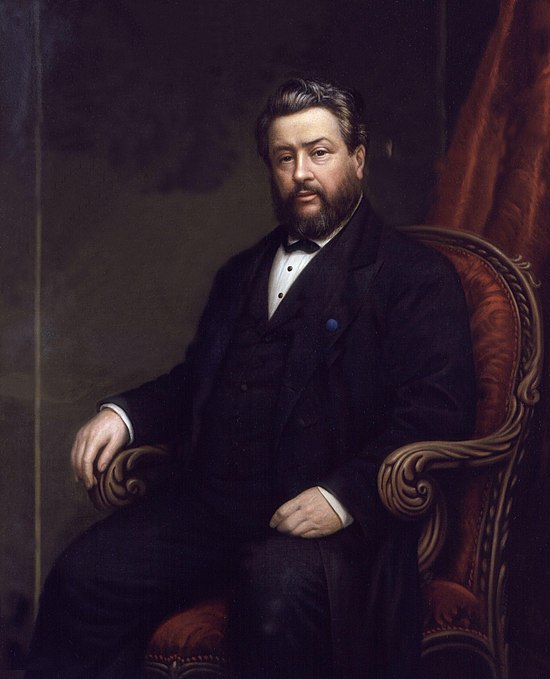
C. H. Spurgeon's sermon "Comfort for the Fearful" addresses the theological doctrine of faith, particularly focusing on the consequences of unbelief among Christians in times of trial. Spurgeon argues that the primary danger in any storm of life is not the external circumstances, but the lack of faith that allows fear to overwhelm the believer. He supports this belief by referencing Scripture, specifically Matthew 8:26, where Jesus rebukes His disciples' fear, and Romans 8, which assures believers of God's love and control over their circumstances. The practical significance of the sermon emphasizes the need for believers to cultivate trust in God's sovereignty, love, and power, assuring that casting away doubt is essential for overcoming life's challenges. Spurgeon encourages Christians to observe God's past faithfulness as a foundation for their present trust.
Key Quotes
“All the trouble in the world cannot harm you so much as half a grain of unbelief.”
“He that believes in Jesus is sailing in the same ship with him.”
“Your difficulties are of God's sending, trials of God's making, and they are all still in the hand of the all-powerful One to restrain, or mitigate, or increase, or direct according to His own will.”
“Your perseverance in grace is no more to be your own act apart from Christ than is your first hope in Him.”
The Bible emphasizes the importance of faith over fear, with Christ rebuking the disciples' unbelief in Matthew 8:26.
In Matthew 8:26, Jesus asks his frightened disciples, 'Why are ye fearful, O ye of little faith?' This highlights that fear often stems from a lack of faith. The chief peril to a Christian is not the storms they face but their own doubt and mistrust in God's love and power. Spurgeon emphasizes that even amidst overwhelming circumstances, it is essential for believers to trust in God's unchanging nature, reminding us that He is ever-present and active in our lives, especially during times of trouble.
Matthew 8:26, Romans 8
God's past faithfulness and love assure us of His continuing care, even in difficult seasons.
The love of God for His people is often questioned during tough times, but Spurgeon encourages believers to reflect on their past experiences of divine love and deliverance. He reminds them to remember the moments when God has sustained them through trials and has not cast them away despite their slowness to learn or their feelings of inadequacy. The ongoing presence of His grace and sustenance should renew our trust in His love, affirming that He will not abandon those who trust in Him.
Romans 8
Trust in God's power is essential because it reassures believers of His ability to sustain and deliver them from all trials.
Spurgeon emphasizes the importance of recognizing God’s omnipotence, especially when facing personal trials. The disciples witnessed many miraculous works by Christ, yet they still doubted His power to save them in a storm. Understanding God's sovereignty over every situation enables believers to move beyond fear and into trust. The acknowledgment of His capability to provide for our needs—whether material or spiritual—fuels our faith and dispels doubts. Trusting in God's power allows Christians to stand firm against life's storms.
Matthew 8, Romans 8
God uses trials to develop our faith and character, drawing us closer to Him.
Spurgeon reflects on the purpose of trials in the Christian life, explaining that they serve to refine our faith and promote spiritual growth. Trials are often instruments used by God to remove impurities from our character, helping believers to depend solely on Him. As we endure hardships, we learn to trust not in our own strength but in God's provision and care. This process is essential for developing resilience and unwavering faith, allowing us to see trials as opportunities for deeper spiritual intimacy with our Creator.
Romans 8
Comments
Your comment has been submitted and is awaiting moderation. Once approved, it will appear on this page.
Be the first to comment!
