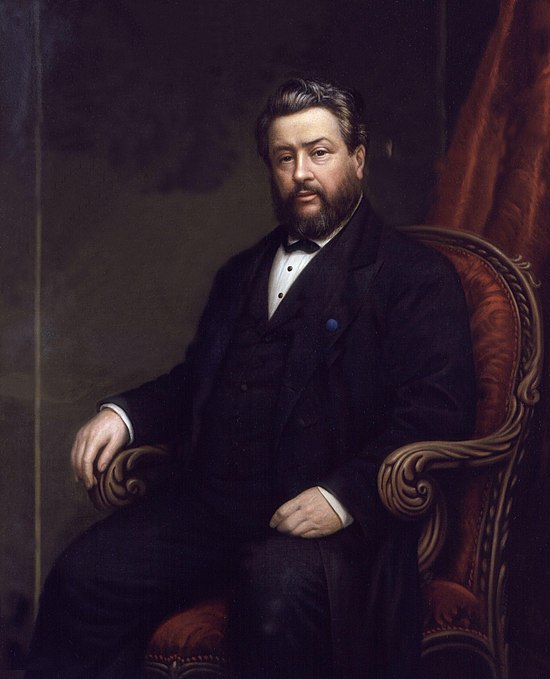
Shaven and Shorn, but not Beyond Hope!
Judges 16:22; Romans 8
C. H. Spurgeon's sermon "Shaven and Shorn, but not Beyond Hope" focuses on the biblical account of Samson, illustrating the themes of sin, grace, and restoration. The key argument outlines how Samson's physical strength was closely tied to his consecration to God, symbolized by his hair, which was cut as a sign of his failure and bondage to sin. Spurgeon references Judges 16:22, emphasizing that despite Samson's fall, there is hope for restoration as symbolized by the growth of his hair, paralleling God's grace and mercy towards backsliders as seen in Romans 8, which reassures believers of their security in Christ. The practical significance of the sermon lies in the encouragement for those who have strayed from their faith, reminding them that while sin brings loss, God's grace can bring about renewal and restoration.
“See what sin will do. See how the man who had fought God's battles suffers great loss, great pain, great disfigurement, great dishonour, and comes to a cruel and a bored bondage through his sin.”
“Though the hair was shaved off, yet the adversary could not take the roots away... if there has been a real, regenerating work of God the Holy Ghost upon their hearts, it will show itself again.”
“When the backslider comes to that pass, you will soon see other signs. The man who went so far astray now seeks the Lord afresh and begins again to run in his ways.”
“Woe to thee, Philistia, when Samson's hair grows again! Woe to the hosts of evil when the backslider is restored!”
The Bible depicts backsliding as a state where a believer turns away from their faith, yet it emphasizes hope for restoration through God's grace.
Judges 16:22, Romans 8
God's grace is evidenced through the promise of restoration and hope for those who have strayed from their faith.
Judges 16:22, Romans 8
Consecration is vital for Christians as it signifies devotion to God and is the source of spiritual strength and effectiveness.
Judges 16:22, Romans 8
Auto-generated transcript • May contain errors

Comments
Your comment has been submitted and is awaiting moderation. Once approved, it will appear on this page.
Be the first to comment!