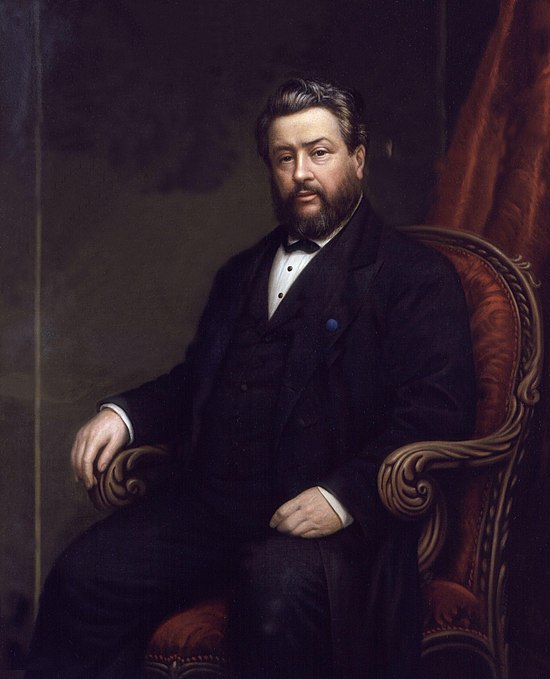
In C. H. Spurgeon's sermon "The Hold-fasts of Faith," he addresses the doctrine of justification by faith, focusing on Abraham as the exemplar of faith amidst trials. Spurgeon contends that Abraham's belief in God's promises, particularly regarding his progeny, serves as a profound illustration of faith in God's resurrecting and creative power, as presented in Romans 4:16-17. He draws heavily on both Genesis 15 and Romans 4, emphasizing that Abraham's faith was reckoned as righteousness despite seeming impossibilities—his advanced age and that of Sarah. The practical significance of this doctrine lies in its assurance for believers; just as God fulfilled His promises to Abraham, He remains faithful to His promises for all who believe, reinforcing the Reformed conviction of salvation through grace alone.
Key Quotes
“True faith, as the work of God, is not a thing to be put down. It is a conquering grace, and makes a brave fight against wicked unbelief.”
“Faith has her eyes open, and she in due season spies out grounds of confidence.”
“God can quicken thee into newness of life... Is not this plain enough? Believest thou this?”
“If your faith shall learn to stay herself upon eternal principles, and find her rest in the omnipotence of God, you will become like Abraham, a prince among men.”
Abraham's faith is exemplary in the Bible, as he believed God's promise of being the father of many nations despite his old age.
The Bible illustrates Abraham's faith, particularly in Romans 4, where it is stated that Abraham believed God’s promises, and it was credited to him as righteousness. Despite being nearly a hundred years old and Sarah being well past childbearing age, Abraham's unwavering trust in God's ability to fulfill His promises serves as an example of true faith. His faith did not waver despite his circumstances, showcasing a profound belief in God's power to bring life from death and to create from nothing. This foundational faith highlights the importance of relying on God's omnipotence in fulfilling His promises, even in seemingly impossible situations.
Romans 4:16-22, Genesis 15:1-6
Christ's resurrection is confirmed through historical accounts and its fulfillment of prophecy, assuring believers of their justification.
Christ's resurrection is a cornerstone of Christian faith, as it serves as the ultimate proof of His victory over sin and death. In Romans 4:25, it states that Jesus was raised for our justification, indicating that His resurrection validates God's promise of salvation for all who believe in Him. The historical evidence of His resurrection is compelling: not only did Christ's followers witness the event, but it also sparked a radical transformation in their lives, leading them to boldly proclaim the gospel. This transformation, alongside fulfilled prophecies, underpins the truthfulness of His resurrection, reassuring believers of their faith and secure standing before God.
Romans 4:25
Believing in God's promises is vital for Christians, as it strengthens their faith and assurance in His power and plans.
Believing in God's promises is essential for Christians as it acts as a lifeline during trials and uncertainties. In the sermon, Spurgeon emphasizes that true faith centers on God's ability to raise the dead and create from nothing. This belief allows Christians to trust in God's faithfulness despite challenging circumstances. When Christians hold fast to God's promises, they find hope and strength amidst despair, enabling them to navigate life's trials with confidence. Moreover, this faith becomes a platform for spiritual transformation, as it paves the way for joy, peace, and obedience that stem from a secure and trusting relationship with God.
Romans 4:16-17
Being justified by faith means being declared righteous before God through belief in Jesus Christ.
Justification by faith is a fundamental doctrine of the Reformed faith, emphasizing that believers are counted as righteous before God not based on their works, but through their faith in Jesus Christ. Romans 4:3 states that Abraham believed God, and it was accounted to him for righteousness. This principle underscores that faith, rather than works, is what God honors for salvation. It holds that through faith in Christ, who was raised for our justification, believers are brought into a right relationship with God, fully absolved from sin's penalties. Therefore, justification by faith is a transformative experience that assures believers of their acceptance and peace with God.
Romans 4:3-5, Romans 5:1
Faith combats doubt by focusing on God's promises and power rather than human limitations.
Faith serves as a powerful antidote to doubt and unbelief by redirecting focus from human limitations to God's promises and capabilities. Spurgeon illustrates this through Abraham’s experience, where despite his old age and physical impossibilities, he steadfastly believed in God's ability to fulfill His promises. True faith confronts doubts that arise during trials by recalling God’s past faithfulness and the truth of His word. Believers are encouraged to remind themselves of God's omnipotence—the ability to raise the dead and call things into existence—as a source of confidence and strength. This unwavering belief enables Christians to overcome the obstacles of doubt, fostering a robust reliance on God's promised outcomes.
Romans 4:18-21

Comments
Your comment has been submitted and is awaiting moderation. Once approved, it will appear on this page.
Be the first to comment!