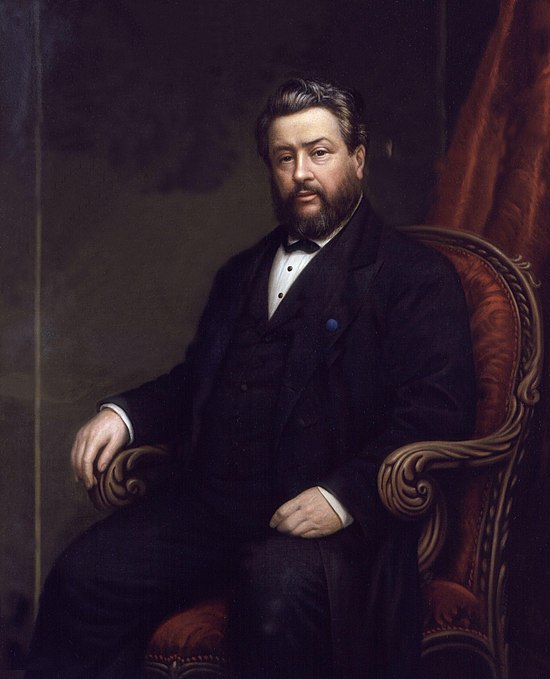
In his sermon "Before Daybreak With Christ," C. H. Spurgeon highlights the importance of solitary prayer and its connection to effective ministry, drawing from Mark 1:35-39 and Romans 8. He argues that Jesus, after a day of miraculous ministry, prioritized personal prayer to prepare for his continuing mission, illustrating the necessity of communion with God for spiritual effectiveness. Spurgeon emphasizes that Jesus sought solitude early in the morning not out of necessity, but as a vital practice, underscoring a model for Christians to follow in their ministry and daily lives. The practical significance lies in the belief that a robust prayer life undergirds fruitful ministry, and neglecting prayer can hinder spiritual effectiveness and divine favor.
Key Quotes
“The great worker draws nigh again to the source of strength, that he may afresh gird up his loins for that which lies before him.”
“If I could impress my heart on every syllable and baptize every word with my tears, I could not too earnestly entreat you to be above all things earnest in prayer.”
“There is always a connection… between that great crowd on Sunday and the pleadings of the saints.”
“Let us go into the next towns that I may preach there also, for therefore came I forth.”
The Bible emphasizes the importance of prayer as a means of communion with God, exemplified by Jesus, who often prayed alone.
The Scripture clearly shows that prayer is central to the believer's life, serving as both a means of seeking God's guidance and an opportunity for communion with Him. Jesus, during His earthly ministry, set a profound example by regularly withdrawing to pray, even after periods of intense ministry. In Mark 1:35-39, we see that He rose early in the morning to pray in a solitary place, illustrating His dependence on God the Father for strength and direction. This act emphasizes that prayer should not be confined to certain times or locales; instead, it should be a continuous practice in a believer's life, echoing the sentiment that prayer should saturate our daily existence, not just our Sundays.
Mark 1:35-39, 1 Thessalonians 5:17
Jesus frequently withdrew to pray, demonstrating His belief in its importance for spiritual strength and focus.
Jesus' life vividly illustrates the high regard He had for prayer. In the passage from Mark 1:35, we find Him rising early to seek the Father in prayer before engaging in His ministry. This consistent pattern of retreating into solitude for prayer underscores its significance in His life. By prioritizing prayer, even during busy times filled with crowds seeking healing and teaching, Jesus shows us that intimate fellowship with the Father provides the foundation for effective ministry. Furthermore, His prayers were marked by frequency and earnestness, indicating that He saw prayer not simply as a duty but as essential to accomplishing His mission. This also serves as a reminder for Christians today that prayer must hold a prominent place in our lives, serving as our lifeline to God.
Mark 1:35, Luke 5:16
Prayer is essential for Christians as it fosters a deep relationship with God and empowers us for service.
Prayer is of utmost importance for Christians as it serves as the primary means of communication with God. Through prayer, believers express their dependence on divine guidance and strength. It is through earnest prayer that one draws near to the heart of God, aligning their will with His and receiving the grace necessary to live a life that honors Him. The testimony of Jesus highlights this; His early morning prayer preceded His most significant works, establishing a clear connection between prayer and effective ministry. Furthermore, in the moments of spiritual success, Jesus exemplified that prayer should intensify. When God blesses and works through His people, it is imperative that they respond with an increased commitment to prayer, seeking to keep His presence among them. Thus, prayer is not just a ritual but a vital aspect of spiritual vitality and effectiveness.
Matthew 6:6, James 5:16
Jesus was not swayed by popularity; instead, He focused on fulfilling His mission to preach the Gospel.
In Mark 1:38, after achieving substantial fame and recognition for His miracles, Jesus demonstrated a remarkable indifference to popularity by stating that He must proceed to other towns to preach. Even though the crowds sought Him out for healing, He prioritized His mission to proclaim the Gospel, affirming that preaching was central to His purpose. This reflects the temptation often faced by those in ministry: the lure of popularity which can detract from the primary call to serve faithfully. Jesus instinctively knew that genuine ministry transcends mere applause and that true success lies in obedience to God’s mission. For Christians today, this serves as a powerful reminder that faithfulness in service should take precedence over the pursuit of public approval. As followers of Christ, we must remain focused on our divine mandate, even when human recognition seems tempting.
Mark 1:38, Luke 4:43
Comments
Your comment has been submitted and is awaiting moderation. Once approved, it will appear on this page.
Be the first to comment!
