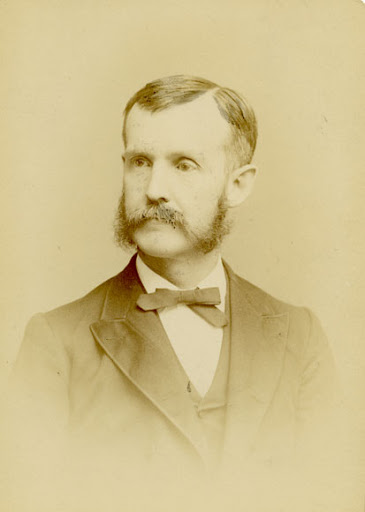
In his sermon "Habits in Religious Life," J. R. Miller addresses the relationship between habitual religious practices and genuine spiritual authenticity. He argues against the anxiety that arises from a perceived lack of conscious effort in one's faith, suggesting that, much like an accomplished musician or artist, the highest expressions of Christian character come when virtues are deeply ingrained through consistent practice. Miller references 2 Timothy 3:16-17 to emphasize the transformative power of Scripture in molding character, and Psalm 19:7-11 to illustrate the delight found in God's laws, which guide believers towards a natural and effortless obedience. The significance of this teaching is the Reformed emphasis on the sovereignty of God in sanctification; as believers cultivate habits of holiness, their lives become aligned with Christ’s character, reflecting the transformation wrought by grace rather than mere human effort.
“All true greatness is unconscious of itself. It is so of beauty. The sweetest feature in childhood is its unconsciousness.”
“The way to grow into Christ's likeness of character is to watch ourselves in the minutest things of thought and word and act until our powers are trained to go almost without watching in the lines of moral right and holy beauty.”
“Our daily habits carry in them the buds and prophecies of our future character.”
“The test of all moral life is in its tendencies. The question is not what point have you attained to, but which way are you tending?”
The Bible teaches that religious habits, when grounded in genuine devotion, can be pleasing to God.
2 Timothy 3:16-17
Spiritual character is shaped through consistent habits and practices rooted in faith.
Habits are essential for Christians as they shape our spiritual character and influence our daily lives.
Psalm 19:7-11
Auto-generated transcript • May contain errors

Comments
Your comment has been submitted and is awaiting moderation. Once approved, it will appear on this page.
Be the first to comment!