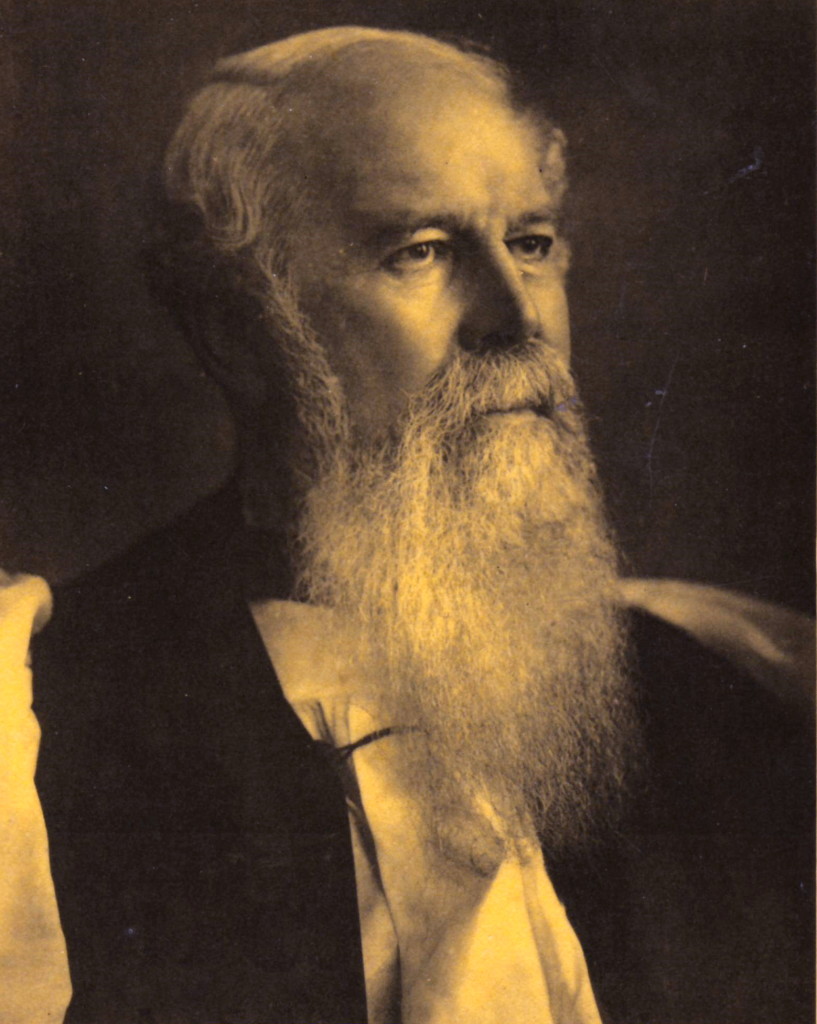
J.C. Ryle's sermon on Luke 8:37-40 focuses on the rejection of Christ by the Gadarenes, examining the profound implications of their dismissal of Jesus after witnessing His miracle of healing. Ryle articulates that the people’s fear of losing their worldly possessions and sinful habits led them to choose this rejection, illustrating a critical truth in Reformed theology: that man’s heart is often inclined toward sin over God. He supports this with Scripture, emphasizing the gravity of deliberate rejection of God's grace, as seen through the Gadarenes' fate. Practical implications include a warning for contemporary believers to remain vigilant against complacency and indifference towards Christ, as the refusal of His invitation can lead to spiritual barrenness and abandonment from His presence.
Key Quotes
“They saw at a glance that there was something about Jesus with which their habits of life would never agree.”
“Of all sins which we can sin, this is the most sinful. Of all states of soul into which we can fall, none is so fearful as to be let alone.”
“He would have us know that there are various ways of glorifying him, that he may be honored in private life as well as in the apostolic office.”
“Let us pray for the spirit of contentment with such things as we have.”
The Bible illustrates Christ being rejected by the Gadarenes in Luke 8:37-40, highlighting the consequences of willfully turning away from Him.
In Luke 8:37-40, we see the poignant scenario of the Gadarenes requesting Christ to leave after witnessing His miraculous power. Their request was granted as they were overcome with fear, demonstrating a stark reality about human nature: the rejection of divine mercy in favor of worldly attachments. Ryle underscores that their choice to forsake Christ reveals a deeper spiritual blindness and a reluctance to relinquish their sins. This interaction serves as both a warning and a testimony of how rejecting Christ leads to spiritual desolation and judgment.
Luke 8:37-40
We understand the importance of witnessing for Christ through the example of the healed man in Luke 8, who was sent to testify about God's works.
When Jesus healed the man possessed by demons, He declined the man's request to follow Him, instead sending him back to his home to share the great things God had done for him. This illustrates the principle that personal testimony at home can be a powerful means of glorifying God and witnessing to the truth of the Gospel. Ryle emphasizes that the Lord values various forms of service, showing that one's witness can be just as impactful in family and community life as it is in broader ministry contexts. This underscores the idea that our first mission field is often within our own homes and relationships.
Luke 8:38-39
Jesus left the Gadarenes as a judgment for their request, showing the severity of willfully rejecting the truth.
Jesus’ departure from the Gadarenes reflects His judgment against their sinful desire for Him to leave. This decision serves to warn us of the consequences of turning away from divine truth and mercy. Ryle points out that their rejection stems from a love for their worldly comforts and a fear of change. In essence, Christ’s departure illustrates a solemn reality: those who obstinately refuse His light may find that light taken from them, highlighting the importance of responding to the gospel with faith rather than fear.
Luke 8:37
The Gadarenes' response teaches us about the danger of loving the world more than Christ and the consequences of such choices.
The Gadarenes’ request for Jesus to depart illustrates a profound spiritual lesson about the dangers of worldliness. They prioritized their earthly comfort over the opportunity to receive salvation, making them enemies of grace. Ryle warns that when individuals or communities reject the gospel, they risk becoming desolate and devoid of divine presence. This sad state is a reminder for Christians today to remain vigilant against complacency and to value the presence of Christ above earthly concerns. The state of the Gadarenes should cause us to examine our own willingness to welcome Christ into our lives.
Luke 8:37-38
Comments
Your comment has been submitted and is awaiting moderation. Once approved, it will appear on this page.
Be the first to comment!
