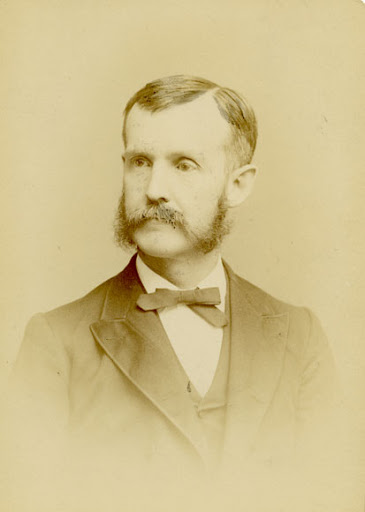
In his sermon "The Blessing of Not Getting," J. R. Miller addresses the Reformed doctrine of divine providence, specifically focusing on the blessings that come from God's withholding rather than granting certain desires. He argues that many of God's greatest mercies are found in the negative space of our lives—those things He prevents us from experiencing or obtaining, which often lead to unseen dangers or spiritual harm. Miller employs Scripture references such as 2 Timothy 3:16 and Psalm 19:7-11 to illustrate that God's judgments are inherently good and meant for our sanctification and ultimate well-being, aligning with the Reformed belief in God's sovereignty and goodness. The practical significance of this message is a call for believers to shift their perspective from seeking immediate pleasure or worldly success to recognizing the hidden blessings in God's providential denials, encouraging a deeper trust in His loving oversight.
“We recount with more or less gratitude the good gifts that we receive from Him, but there are many blessings that consist in our not receiving.”
“God knows that the success of his plans would be fatal to the higher interests of his spiritual life.”
“Faith should know that God's withholdings from us, when He does not give us what we ask, are richer blessings than were He to open to us all the treasure houses at whose doors we stand and knock with so great vehemence.”
“Pain is oft-times better for us than pleasure. Loss is oft-times better for us than gain.”
The Bible highlights that some of God's greatest blessings come through what He withholds from us, protecting us from harm.
Psalm 119:75
Recognizing God's negative mercies helps Christians trust in His plan and understand His protective nature.
2 Timothy 3:16, Psalm 19:7-11
We trust in God's goodness as His plans often involve shaping us through trials and denying us what may harm us.
Romans 8:28
Auto-generated transcript • May contain errors

Comments
Your comment has been submitted and is awaiting moderation. Once approved, it will appear on this page.
Be the first to comment!