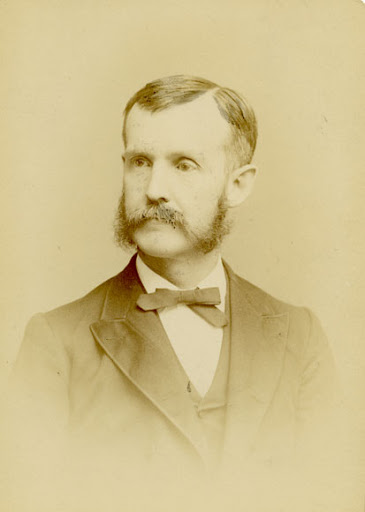
In J. R. Miller's sermon titled "God's Reserve of Goodness," the central theological topic is the inexhaustible nature of God's goodness and His purposeful provision for believers. Miller argues that God's blessings are reserved for times of need rather than given all at once, drawing parallels to how resources are stored for future use. He references Scripture such as 2 Timothy 3:16 and Psalm 19:7-11 to illustrate that God's goodness is meticulously planned and revealed according to our circumstances, emphasizing that His providence aligns with our experiences of need. This doctrine has significant implications for the Reformed understanding of God's sovereignty and grace, as it reassures believers that divine provision is always available and tailored for their specific trials and spiritual growth.
“God never gives all he has to give. The time never comes when he has nothing more to bestow.”
“Every door that opens into a treasury of love shows another door into another treasury beyond.”
“God's storehouses of spiritual truth never are open to us until we really need their blessing.”
“The best of God's goodness is laid up in heaven. Hence, to a Christian, death is always a glorious gain.”
The Bible teaches that God's goodness is inexhaustible and laid up for those who fear Him.
Psalm 19:7-11, 2 Timothy 3:16
We know God reserves goodness as He systematically provides what we need at the precise moments we need it.
Isaiah 43:1-3
The concept of reserved goodness is vital because it assures Christians that God will provide at the right moment during trials.
Jeremiah 49:11
Auto-generated transcript • May contain errors

Comments
Your comment has been submitted and is awaiting moderation. Once approved, it will appear on this page.
Be the first to comment!