Who is regulating affairs on this earth today—God, or the Devil?
Psalm 115:3; Psalm 135:5-6
In A.W. Pink's sermon titled "Who is regulating affairs on this earth today—God, or the Devil?" the main theological topic addressed is the sovereignty of God over creation and human affairs. Pink argues that while God is generally acknowledged to reign supreme in heaven, many deny His active rule over the earth, attributing control instead to impersonal natural laws or human agency. He supports this argument with Scripture references, particularly Psalm 115:3 and Psalm 135:5-6, which affirm God's absolute reign and active governance of all things. The practical significance of Pink's message is a call to recognize and proclaim God's sovereignty, which serves as a crucial antidote to contemporary secular philosophies that diminish God's involvement in the world, urging believers to trust in His omnipotence and to affirm His rule in every aspect of life.
“If we believe their plain and positive declarations, no room is left for uncertainty. They affirm again and again that God is on the throne of His universe, that the scepter is in His hands.”
“It is in view of what we have briefly referred to above that we say, present-day conditions call loudly for a new examination and new presentation of God's omnipotence, God's sufficiency, and God's sovereignty.”
“Our God is in heaven. He does whatever He pleases.”
“Hallelujah, for our Lord God Almighty reigns.”
The Bible affirms that God is sovereign over all creation and governs all affairs according to His will.
Ephesians 1:11, Psalm 115:3, Psalm 135:6
God's control is evident in Scripture, which consistently affirms His reign over all creation.
Daniel 4:35, Psalm 135:6, Ephesians 1:11
God's sovereignty provides comfort and assurance that He is in control of all situations.
Psalm 115:3, Ephesians 1:11, Psalm 135:6
Auto-generated transcript • May contain errors
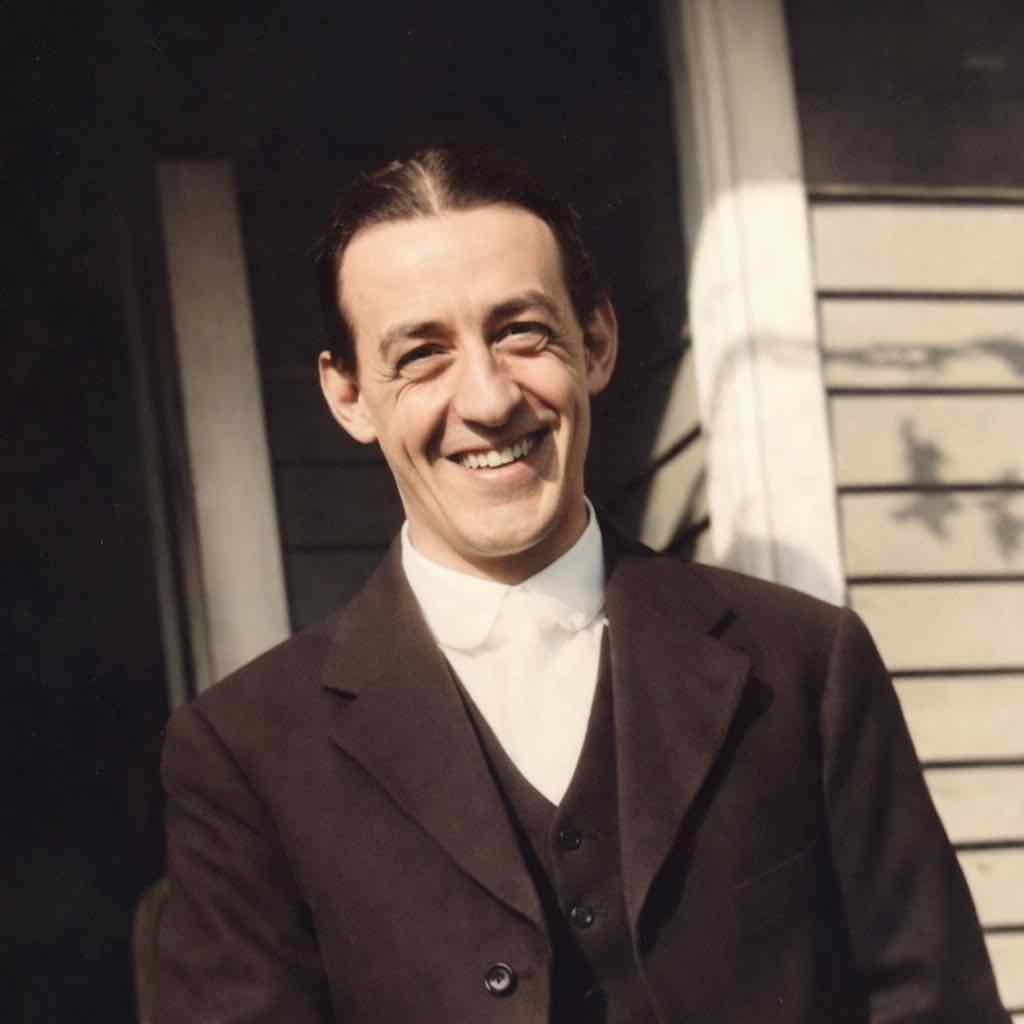
Arthur Walkington Pink (April 1, 1886 - July 15, 1952) was an English Bible teacher who sparked a renewed interest in the exposition of the doctrines of Grace otherwise known as "Calvinism" or "Reformed Theology" in the twentieth century.

Comments
Your comment has been submitted and is awaiting moderation. Once approved, it will appear on this page.
Be the first to comment!