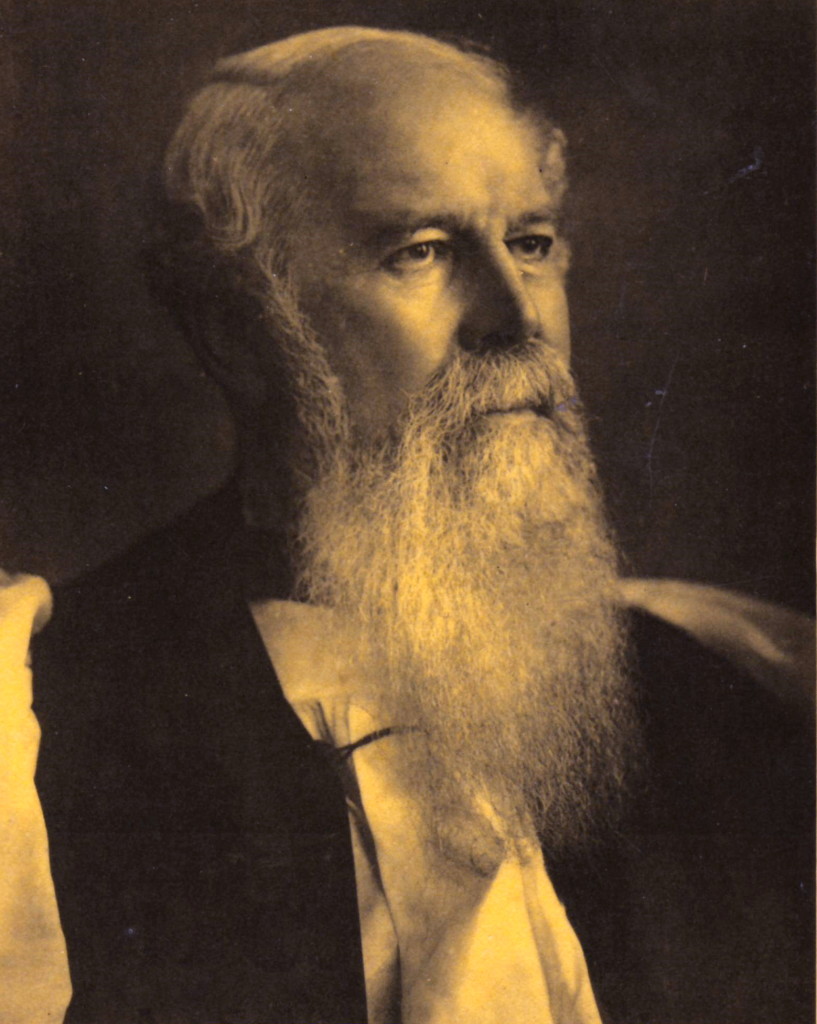
Jellyfish Christianity
2 Timothy 3:16-17; 2 Timothy 4:3
In "Jellyfish Christianity," J.C. Ryle addresses the pressing issue of the contemporary aversion to sound doctrine within the Christian church, drawing heavily from 2 Timothy 3:16-17 and 2 Timothy 4:3. Ryle argues that the root of this problem lies in the fallen nature of man, who prefers to distort the Gospel and abandon distinctive doctrines to satisfy personal desires. He critiques how this widespread disdain has resulted in a form of Christianity that is insubstantial and lacking in conviction, akin to jellyfish, which have no firm structure and are easily swayed by external forces. The practical significance of Ryle’s message is a call to the church to uphold and teach robust theological truths, emphasizing the importance of sound doctrine for spiritual stability and growth in faith.
“The natural man hates the Gospel, and all its distinctive doctrines, and delights in any vain excuse for refusing it.”
“It creates, fosters, and keeps up an immense amount of instability in religion.”
“We have hundreds of jellyfish clergymen who seem not to have a single bone in their body of divinity.”
“They are tossed to and fro like children by every wind of doctrine.”
The Bible emphasizes the importance of sound doctrine, warning that many will turn away from it to satisfy their own desires (2 Timothy 4:3).
2 Timothy 4:3
Doctrine is essential in Christianity as it shapes beliefs and practices, which are vital for spiritual stability and growth.
2 Timothy 3:16-17
Holding to distinct doctrines is crucial for Christians as it provides clarity, guidance, and stability in their faith.
2 Timothy 3:16-17
Auto-generated transcript • May contain errors

Comments
Your comment has been submitted and is awaiting moderation. Once approved, it will appear on this page.
Be the first to comment!