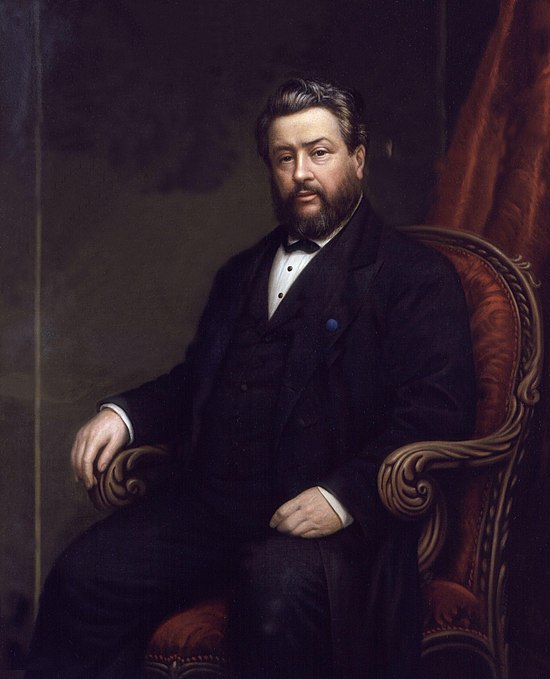
In "Around the Wicket Gate," C. H. Spurgeon explores the doctrine of salvation through faith in Jesus Christ, emphasizing the urgency for individuals standing at the threshold of faith to fully trust in Christ for eternal life. Spurgeon presents a compelling narrative of the human condition, illustrating how many remain hesitatingly close to salvation but fail to step through the wicket gate due to various fears and misconceptions about faith. He draws extensively on Scripture, particularly John 3:16 and John 3:36, to advocate for Jesus as the sole means of salvation, urging listeners to trust wholly in His finished work rather than cling to their doubts or personal merit. The practical significance of this message lies in the assurance that faith in Christ leads to true freedom from sin and an eternal relationship with God, reinforcing core Reformed doctrines of grace and salvific assurance.
Key Quotes
“He who does not take the step of faith, and so enter upon the road to heaven, will perish.”
“To suppose that the Lord Jesus has only half saved men, and that there is needed some work or feeling of their own to finish His work, is wicked.”
“Better far that our tenderness of conscience should cause us long years of anguish than that we should lose it and perish in the hardness of our hearts.”
“Faith is trusting, trusting wholly upon the person, work, merit, and power of the Son of God.”
The Bible teaches that salvation is found exclusively in Jesus Christ, who died for our sins and offers eternal life to all who believe in Him.
According to Scriptures such as John 3:16 and Acts 4:12, salvation is granted to those who believe in the name of the Lord Jesus Christ. Jesus, as stated in John 14:6, claims to be the way, the truth, and the life, emphasizing that no one can come to the Father except through Him. The historic Reformed perspective affirms that faith in Christ alone suffices for justification and salvation from eternal condemnation, highlighting the sufficiency of Christ's atoning sacrifice as the only means by which we can be reconciled to God.
John 3:16, Acts 4:12, John 14:6
Jesus' sacrifice is deemed sufficient because it satisfies God's justice and provides a complete atonement for sin, as affirmed in Scripture.
The sufficiency of Christ's sacrifice rests on the theological understanding that He bore our sins in His body on the tree (1 Peter 2:24) and that through His suffering, we are healed (Isaiah 53:5). The systematic theology of sovereign grace holds that Christ’s work on the cross covers all sin for those who believe, ensuring that God's justice is satisfied and that the believer has no further penalty to face. The bestowal of grace through faith in Christ means that we are justified, fully reconciled to God, and no longer subject to His wrath. This foundational principle underscores the assurance of salvation within the Reformed tradition.
1 Peter 2:24, Isaiah 53:5
Faith in Jesus is crucial for salvation because it is the means by which we accept His atoning work and receive eternal life.
Faith is described in the New Testament as the instrument through which we access God's grace and salvation (Ephesians 2:8-9). It is essential for acknowledging our need for redemption and for entrusting ourselves to Christ's finished work. In the historic Reformed view, faith is not a work we perform, but a gift from God that draws us into a personal relationship with Jesus, allowing us to partake in His righteousness. The act of believing signifies relying solely on Christ for salvation, which fulfills the command to repent and believe the gospel (Mark 1:15).
Ephesians 2:8-9, Mark 1:15
Being awakened to the need for salvation refers to a state of spiritual awareness where one recognizes their sinfulness and the need for Christ's redemption.
Spiritual awakening involves an inner realization of one's brokenness and estrangement from God, prompting a deep concern for the eternal state of one's soul. As Spurgeon notes, to be awake is often a sign of impending salvation. This awakening is the Holy Spirit’s work, leading individuals to grapple with their sin and the certainty of judgment while offering the hope found in Christ alone. It is essential for one to move beyond mere awareness to active faith, trusting in Jesus as the only solution to their plight (Romans 10:13).
Romans 10:13
Trusting in Jesus alone is vital because His sacrifice is the only acceptable payment for sin, providing full redemption and reconciliation with God.
Scripture emphasizes that there is no other name under heaven given among men by which we must be saved (Acts 4:12). Relying on anything aside from Christ's righteousness is futile, as all human efforts are as filthy rags (Isaiah 64:6). The necessity of trusting solely in Jesus is rooted in the belief that His sacrifice is sufficient for total redemption. This trust reflects a recognition of our inability to save ourselves and a dependence on His grace and mercy, embodying the essence of the gospel (Romans 5:1-2).
Acts 4:12, Isaiah 64:6, Romans 5:1-2

Comments
Your comment has been submitted and is awaiting moderation. Once approved, it will appear on this page.
Be the first to comment!