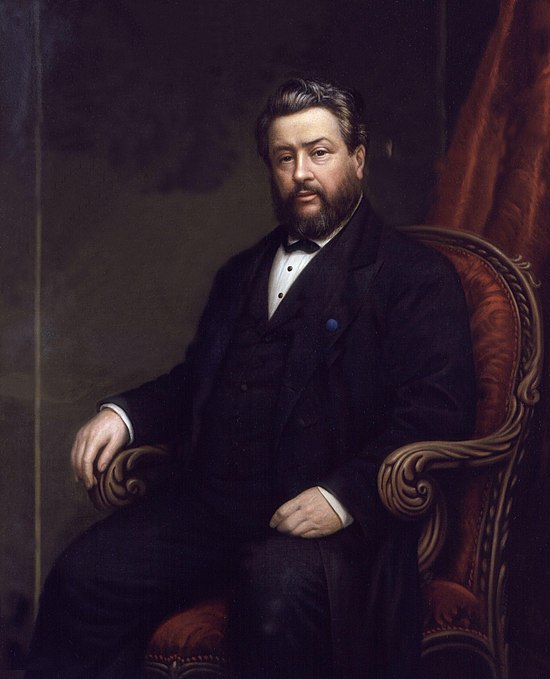
In "All of Grace," C. H. Spurgeon emphasizes the doctrine of grace as fundamental to the Christian faith, asserting that salvation is entirely a work of God's grace and is accessible to the ungodly. He builds his argument upon Scripture, notably referencing John 3:16 and Romans 4:5, which affirm that God justifies the ungodly and offers salvation freely, without any prior merit from the individual. Spurgeon stresses that this grace is transformative, capable of not only justifying believers but also empowering them for holy living and perseverance in faith. He calls readers to embrace their need for God’s grace and encourages a dependency on Christ's redemptive work, asserting that true faith is an act of receiving God's gift rather than achieving it through works.
Key Quotes
“It is not my intent to make any requirement at your hands, but I come in God's name to bring you a free gift, which it shall be your present and eternal joy to receive.”
“God justifieth the ungodly. This message is for you.”
“Faith works by love. He that believes in God will beyond all question love God.”
“The gospel is for the lost, to remove their despair.”
Justification by faith means that God declares sinners righteous based on their faith in Jesus Christ, as stated in Romans 4:5.
Justification by faith is a central theme in the Bible, particularly found in the book of Romans. Romans 4:5 states, 'To the one who does not work but trusts God who justifies the ungodly, their faith is credited as righteousness.' This doctrine teaches that our standing before God is not based on our works or merits but solely on our trust in Christ's atoning sacrifice. This means that God, in His grace, counts our faith as righteousness, making us right with Him. The act of justification is a legal declaration by God, affirming that we are no longer guilty but instead viewed as righteous because of Christ's work on the cross.
Salvation is by grace alone, as Ephesians 2:8-9 affirms that it is a gift from God, not a result of works.
The doctrine that salvation is by grace alone is emphatically stated in Ephesians 2:8-9, which says, 'For by grace you have been saved through faith, and that not of yourselves; it is the gift of God, not of works, lest anyone should boast.' This indicates that salvation is not something we can earn or deserve through our efforts; instead, it is a free gift granted to us by God's grace. Grace signifies God's unmerited favor towards us, and it is through this grace that we are rescued from sin and death. This foundational truth emphasizes that our salvation rests entirely on God's mercy and not on our achievements.
Faith is crucial for Christians as it is the means by which we receive grace and salvation.
Faith holds a pivotal role in the Christian life as it is the conduit through which God's grace flows into our lives. According to Romans 1:17, 'For in it the righteousness of God is revealed from faith for faith; as it is written, 'The righteous shall live by faith.'' This verse underscores that our relationship with God and our ability to live righteously is contingent upon our faith in Him. Without faith, it is impossible to please God (Hebrews 11:6), as faith acknowledges the reality of God's promises and His ability to fulfill them. Through faith, we are justified, experience regeneration, and are empowered to live out our calling as followers of Christ.
To say that God justifies the ungodly means He declares sinners righteous based on their faith, not their works.
The remarkable truth that God justifies the ungodly is encapsulated in Romans 4:5, which says, 'However, to the one who does not work but trusts God who justifies the ungodly, their faith is credited as righteousness.' This means that God's grace extends to those who recognize their sinfulness and inability to achieve righteousness on their own. Justification by faith declares that despite our unworthiness, God, in His immense mercy, makes us right with Him through faith in Jesus Christ. This underscores the transformational power of grace, demonstrating that our standing before God is not dependent on our moral achievements but on our reliance upon Christ's finished work.
Accepting grace is essential because our works cannot save us; salvation is a free gift from God.
Accepting grace over striving to earn salvation is vital for our spiritual well-being. Ephesians 2:8-9 clarifies this by stating that we are saved by grace through faith, and this is not from ourselves; it is the gift of God. The attempt to earn salvation through works can lead to despair, as no one is capable of achieving God's righteous standards on their own. Conversely, accepting grace opens the door to a relationship with God based on His love and mercy, rather than on our imperfect efforts. Grace provides freedom from the burden of self-righteousness and invites us to rest in the finished work of Christ, which guarantees our acceptance before God.
The story of the faithful servant teaches us the importance of trust and diligence in serving God.
The parable of the faithful servant, found in Matthew 25:14-30, illustrates the significance of faithfulness in service to God. In this story, servants are entrusted with varying amounts of money (talents) while their master is away. The faithful servants invest and multiply what they have been given, demonstrating diligence and trust in their master's character. The master's commendation of the faithful servants emphasizes that God rewards those who responsibly use the gifts He has entrusted to them. This teaches us to be diligent in our spiritual responsibilities and to trust in God's provision and timing, knowing that we will be held accountable for how we live out our faith in action.

Comments
Your comment has been submitted and is awaiting moderation. Once approved, it will appear on this page.
Be the first to comment!