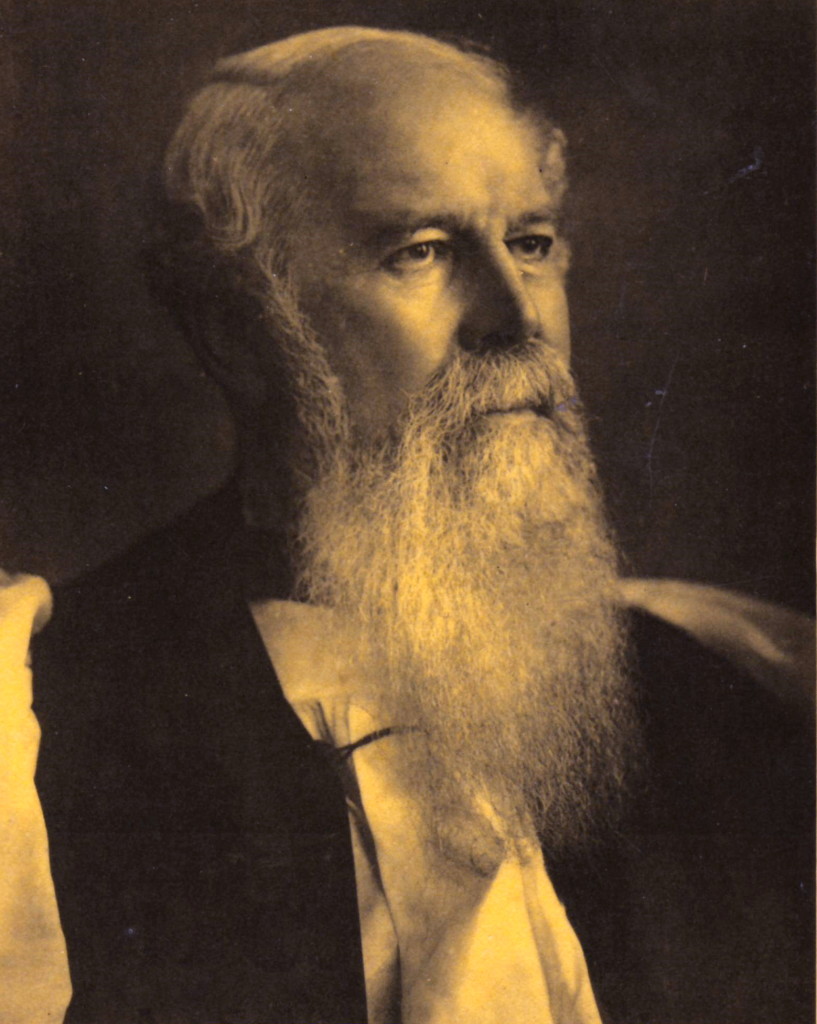
In J. C. Ryle's sermon on Mark 2, he examines the themes of faith, healing, and the authority of Christ to forgive sins, emphasizing the spiritual privileges enjoyed by the people of Capernaum contrasted with their hardness of heart. He argues that the overwhelming evidence of Christ's miracles and the teaching at Capernaum did not convert the masses, illustrating the Reformed doctrine of total depravity and the necessity of divine grace for conversion. Ryle references key scripture passages such as Mark 2:1-12 and Matthew 11:23-24 to demonstrate the severity of Capernaum's judgment and highlights the central role of faith in approaching Christ for healing, both physical and spiritual, as illustrated by the paralytic's friends. The practical significance of this teaching warns the church against complacency and underscores the importance of recognizing affliction as a means of drawing closer to God, ultimately affirming Christ's unique authority as the High Priest who alone can forgive sins.
Key Quotes
“They lived in the full noon-tide blaze of the sun of righteousness, and yet their hearts remained hard.”
“The same gospel which is the savor of life to some is the savor of death to others.”
“Without an atoning priest, there can be no peace of soul.”
“The Sabbath was made for man, and not man for the Sabbath.”
Jesus claims the authority to forgive sins as the Son of Man, demonstrating His divine power.
In Mark 2, Jesus boldly declares to the paralyzed man, 'Son, thy sins be forgiven thee.' This assertion of authority to forgive sins stirs controversy among the scribes, who question, 'Who can forgive sins but God alone?' Jesus's response not only affirms His divine identity but also emphasizes His role as the Great High Priest. The ability to forgive sins is a unique prerogative of God, and through these words, Jesus illustrates that He possesses this divine authority.
Mark 2:1-12, Matthew 11:23-24
Affliction can draw individuals closer to God and lead them to spiritual awakening.
In the sermon, it is highlighted that affliction, like the palsy experienced by the man brought to Jesus, can be a great blessing. This man's condition led him to Christ, ultimately resulting in healing and the forgiveness of his sins. Many throughout history have found that trials and tribulations bring them closer to God, allowing them to learn vital spiritual lessons. As David expressed in Psalm 119:71, 'It is good for me that I was afflicted, that I might learn thy statutes.' This perspective encourages believers to view their hardships as divine opportunities for growth and redirection toward God.
Psalm 119:71, Mark 2:1-12
Jesus reveals His role as a spiritual physician by healing the sick and forgiving sins.
In Mark 2:17, Jesus states, 'They that are whole have no need of the physician, but they that are sick.' He positions Himself not merely as a teacher or lawgiver but as the source of healing for those afflicted by sin. He understands the sickness of human nature and offers divine healing. This underscores the necessity of recognizing our spiritual condition; acknowledging our sin is the first step in seeking the remedy that Christ provides. His willingness to associate with publicans and sinners further illustrates that He came to heal the broken and restore the lost.
Mark 2:13-17, Mark 2:1-12
Jesus warns that witnessing His miracles and preaching does not guarantee conversion; hearts can remain hardened.
The case of Capernaum serves as a profound warning. Despite being privileged to experience Jesus's miracles firsthand, the inhabitants remained unconverted and hardened in their hearts. The sermon reminds believers that seeing the works of Christ and hearing the gospel does not always produce faith. In fact, regular exposure to the truth without genuine belief can lead to increased hardness of heart. This highlights the importance of praying for a softened heart and actively seeking the Lord, recognizing that the same gospel can be a 'savor of life unto life' for some but a 'savor of death unto death' for others.
Matthew 11:23-24, Mark 2:1-12
Comments
Your comment has been submitted and is awaiting moderation. Once approved, it will appear on this page.
Be the first to comment!
