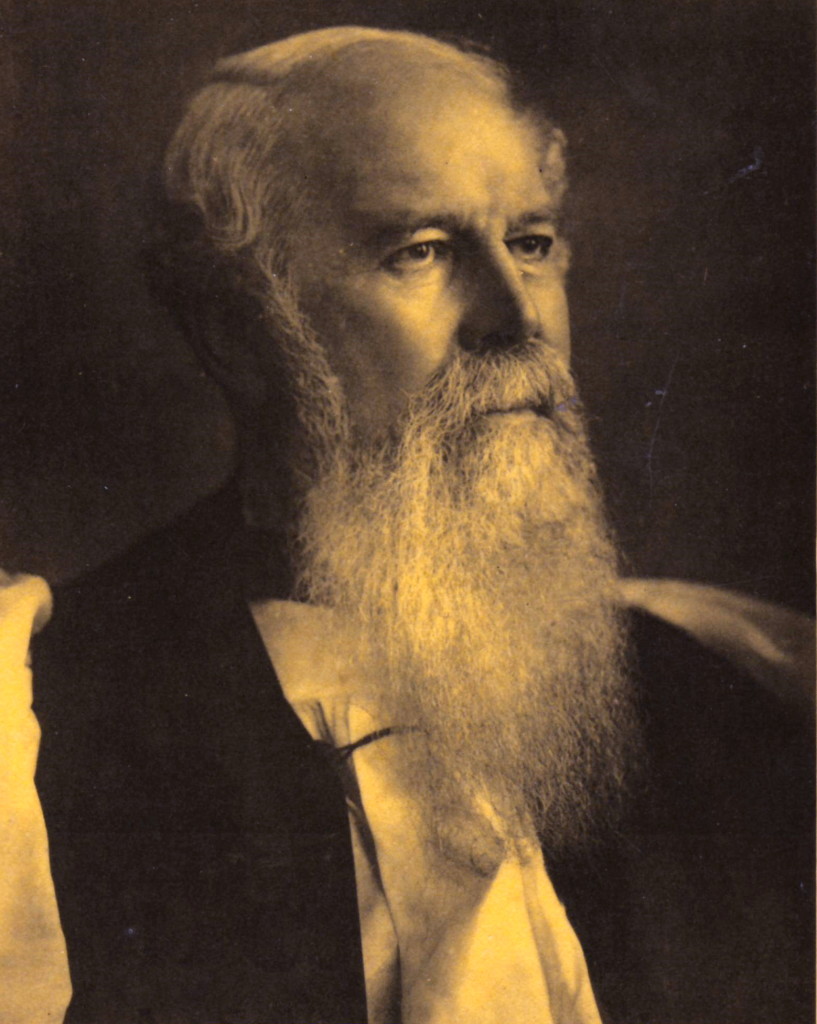
J.C. Ryle's sermon on the Kingdom of God, based on Luke 17:20-25, addresses the nature and expectations of God's kingdom in contrast to worldly kingdoms. He emphasizes that the kingdom of God is not discernible through worldly observations or external signs, asserting its spiritual presence among believers, as Jesus stated, "the kingdom of God is within you." Ryle references biblical texts like Matthew 24:44 and 1 Thessalonians 5:2 to argue that Christ's second coming will be sudden and unexpected, urging Christians to maintain spiritual vigilance and readiness. Additionally, he highlights the importance of distinguishing between Christ's two comings: the first in humility to suffer, and the second in power to reign, which is vital for a proper understanding of Scripture and Christian expectation.
Key Quotes
“The kingdom of God comes not with observation. Neither shall they say, Lo here! or Lo there! For behold, the kingdom of God is within you.”
“As the lightning that enlightens out of the one part under heaven shines unto the other part under heaven, so shall also the Son of Man be in his day.”
“The personal second coming of Christ is the real fulfillment of these words... it will come suddenly, instantaneously, and without previous notice.”
“Both are more or less in error... Clear views of the subject are a great help to the profitable reading of the Bible.”
The Bible teaches that the Kingdom of God is within us and unlike earthly kingdoms, marked by spiritual rather than observable signs.
The Kingdom of God, as described in Luke 17:20-25, is fundamentally different from the kingdoms of this world. Jesus tells the Pharisees that the Kingdom does not come with observable signs or grandeur, emphasizing that true recognition of this Kingdom requires spiritual insight. It begins quietly, in humility, as exemplified by its origins in a manger and recognition only by a few. Thus, those expecting external indicators of its arrival are misled; the Kingdom was already present among them, yet they could not perceive it.
Luke 17:20-25
Christ's second coming is affirmed in Scripture, described as sudden and unexpected, urging believers to remain spiritually vigilant.
The second coming of Christ is a significant doctrine in Christian theology, underscored by numerous passages in Scripture, including Matthew 24:44 and 1 Thessalonians 5:2. Jesus uses the metaphor of lightning to illustrate the suddenness of His return, indicating it will catch many unprepared. This doctrine has profound implications for how Christians live; it calls for a lifestyle marked by vigilance and readiness. Understanding the reality of His second coming can inspire hope, motivation for holiness, and a consistent walk with God, as reflected in the teachings of the apostles.
Matthew 24:44, 1 Thessalonians 5:2
The second coming of Christ encourages Christians to live in hope and holiness, as it will come unexpectedly.
The anticipation of Christ's second coming holds a central place in Christian life and theology. As taught in Luke 17:20-25 and supported throughout the New Testament, this doctrine instills a sense of urgency and preparedness among believers. Understanding that Christ will return suddenly encourages Christians to cultivate personal holiness and diligence in their lives. A life lived in expectation of His return fosters hope and motivates believers to align their actions with their faith, learning to genuinely watch and wait for the Lord, as instructed in Revelation 16:15.
Luke 17:20-25, Revelation 16:15
Christ's two comings involve His first coming in humility to suffer and His second coming in glory to reign.
The Scriptures reveal two distinct comings of Christ, essential for understanding His mission and the unfolding of God's redemptive plan. The first coming, marked by humility and suffering, is encapsulated in prophecies that foretell His role as the suffering servant, who would bear the sins of many (2 Corinthians 5:21, Hebrews 9:28). In contrast, the second coming will be characterized by power and glory, bringing judgment and establishing His reign over all creation. Recognizing both comings is crucial for interpreting biblical prophecies correctly and for grasping the full scope of the Gospel's message.
2 Corinthians 5:21, Hebrews 9:28
Comments
Your comment has been submitted and is awaiting moderation. Once approved, it will appear on this page.
Be the first to comment!
