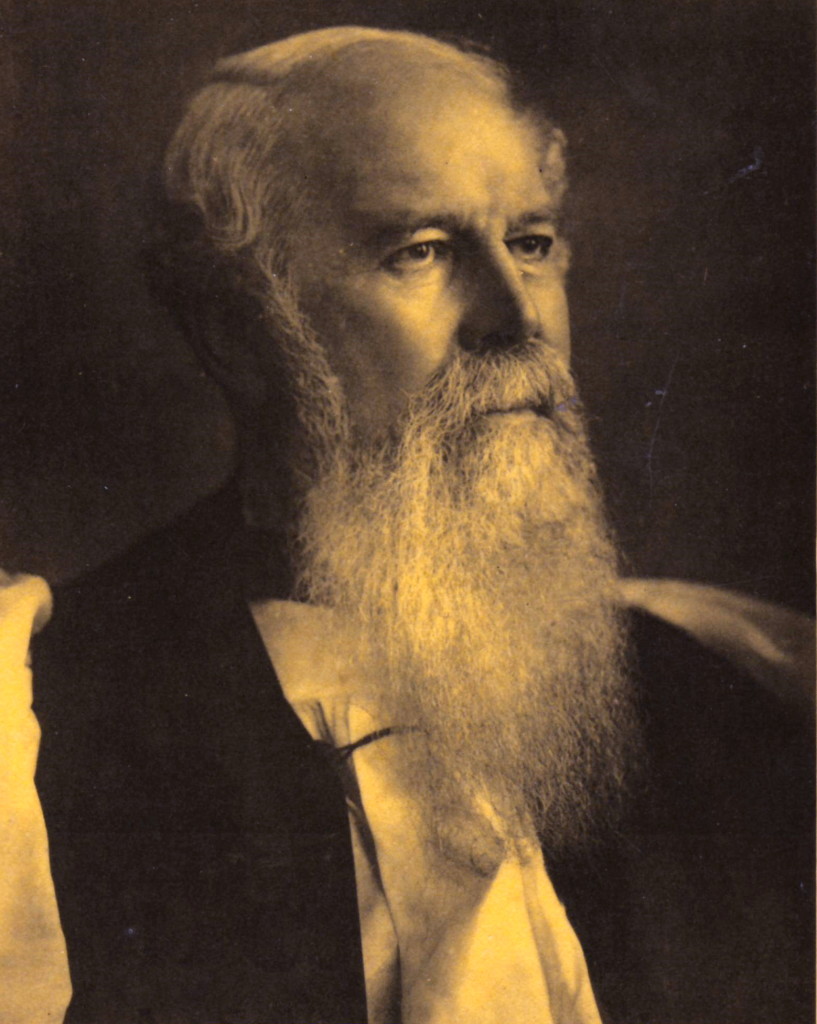
J.C. Ryle's sermon on the Transfiguration from Luke 9:28-36 addresses the theological significance of Christ’s glory and His identity as the Son of God. The key arguments include the reassurance of Christ's future glory, the hope of resurrection for believers, and the intimate connection between the Old Testament saints and Christ’s atoning death. Ryle supports his arguments by referencing Luke's account, highlighting that Moses and Elijah’s discussion with Jesus revolved around His forthcoming sacrifice, thus underscoring the unity of salvation history. The doctrinal significance of the sermon emphasizes the importance of Christ's unique authority over all other teachers and the necessity of relying solely on His death and resurrection for salvation.
Key Quotes
“They'd just been hearing of his cross and death and the self-denial and sufferings to which they must submit themselves if they would be saved. They were now cheered by a glimpse of the glory that would follow.”
“Our brethren and sisters in Christ are in good keeping. They are not lost, but only gone before us.”
“The death of an almighty mediator between God and man. That foundation is the center truth of all revealed religion.”
“They were but servants. He was the king's son. They were but stars. He was the sun.”
The Transfiguration reveals Christ's divine glory and foreshadows His second coming.
The Transfiguration, as recorded in Luke 9:28-36, is a pivotal event in Jesus' ministry that manifests His divine glory to His closest disciples. As He prays, His appearance changes, illuminating His future glory at the second coming. This event reassures the disciples about the glory that follows His suffering, emphasizing that true Christians can hope for the glory that awaits them beyond this life. It provides a glimpse into the reality of heaven and the glorified state of Christ, who will reign supreme.
Luke 9:28-36
Old Testament saints discussed Christ's atoning death with Him at the Transfiguration, showing their hope in His sacrifice.
During the Transfiguration, Moses and Elijah conversed with Jesus about His impending death, which illustrates that they understood the significance of His atonement. Despite the limited clarity of Old Testament revelations, they recognized the necessity of Christ's sacrifice as the foundation of faith throughout scripture. This conversation signifies that from the beginning, believers looked forward to a promised sacrifice, reaffirming the belief in a single, effective means of reconciliation between God and humanity through Christ alone.
Luke 9:31
Recognizing Christ's supremacy is essential for true discipleship and understanding His unique role as Savior.
The voice from the cloud during the Transfiguration emphasized the supremacy of Christ over even the greatest prophets, Moses and Elijah. This moment illustrates the necessity for Christians to discern the immeasurable distance between Christ and all other religious figures. Jesus is not just another teacher but the Son of God, deserving exclusive honor and allegiance. Understanding Christ's unique position is crucial for our faith, as it calls us to prioritize His teachings above all else, ensuring that our discipleship remains firmly rooted in Him alone.
Luke 9:35
The Transfiguration assures believers of the resurrection and their ongoing relationship with Christ after death.
The appearance of Moses and Elijah during the Transfiguration assures us that there is life after death for all believers. These Old Testament figures, though long gone from earth, were alive and embracing their glory in Christ’s presence. This presents a comforting truth that the faithful who have died are safe with Christ and will be raised at the last day. The Transfiguration serves as a reminder that earthly life is temporary, and the ultimate reality is the glorious resurrection and fellowship with our Lord, providing hope and strength amidst trials.
Luke 9:30-31
Comments
Your comment has been submitted and is awaiting moderation. Once approved, it will appear on this page.
Be the first to comment!
