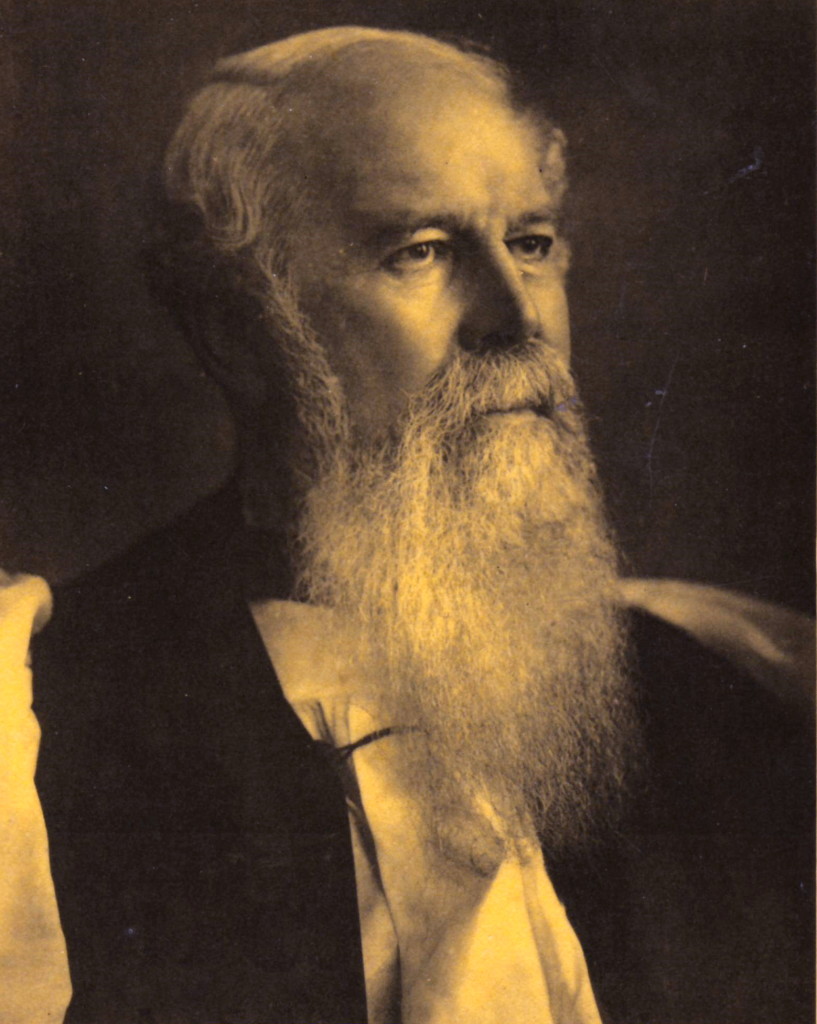
J.C. Ryle’s sermon emphasizes the theological significance of Luke’s introduction in Luke 1:1-4, highlighting the essence of the Gospel as a narrative of factual events surrounding Jesus Christ. Ryle argues that the apostles, referred to as "eyewitnesses and ministers of the word," exemplify humility, contrasting their modest self-description with contemporary tendencies to idolize church leaders. He also asserts the divine inspiration of Luke’s writings, maintaining the doctrine of plenary inspiration, that every word of Scripture is God-breathed and infallible. Ryle concludes by underscoring the purpose of Luke's Gospel: to provide certainty to Theophilus and, by extension, to believers, which serves to combat ignorance and emphasize the importance of God’s written Word for faith and salvation.
“Christianity is a religion built on facts. Let us never lose sight of this.”
“There is an instructive humility in this expression. There is an utter absence of that man-exalting tone which is so often crept into the church.”
“Let us carefully hold fast the great doctrine of the plenary inspiration of every word of the Bible.”
“He tells him that he wants him to know the certainty of those things wherein he had been instructed.”
The Gospel of Luke is a narrative of the life and works of Jesus Christ, written to affirm the certainty of the Christian faith.
Luke 1:1-4
The Bible, including Luke's Gospel, is divinely inspired, ensuring that every word is God's Word without error.
1 Thessalonians 2:13, 2 Peter 1:21
The certainty of faith allows Christians to have confidence in their beliefs and strengthens their relationship with God.
Luke 1:4, 2 Timothy 3:15
Auto-generated transcript • May contain errors

Comments
Your comment has been submitted and is awaiting moderation. Once approved, it will appear on this page.
Be the first to comment!