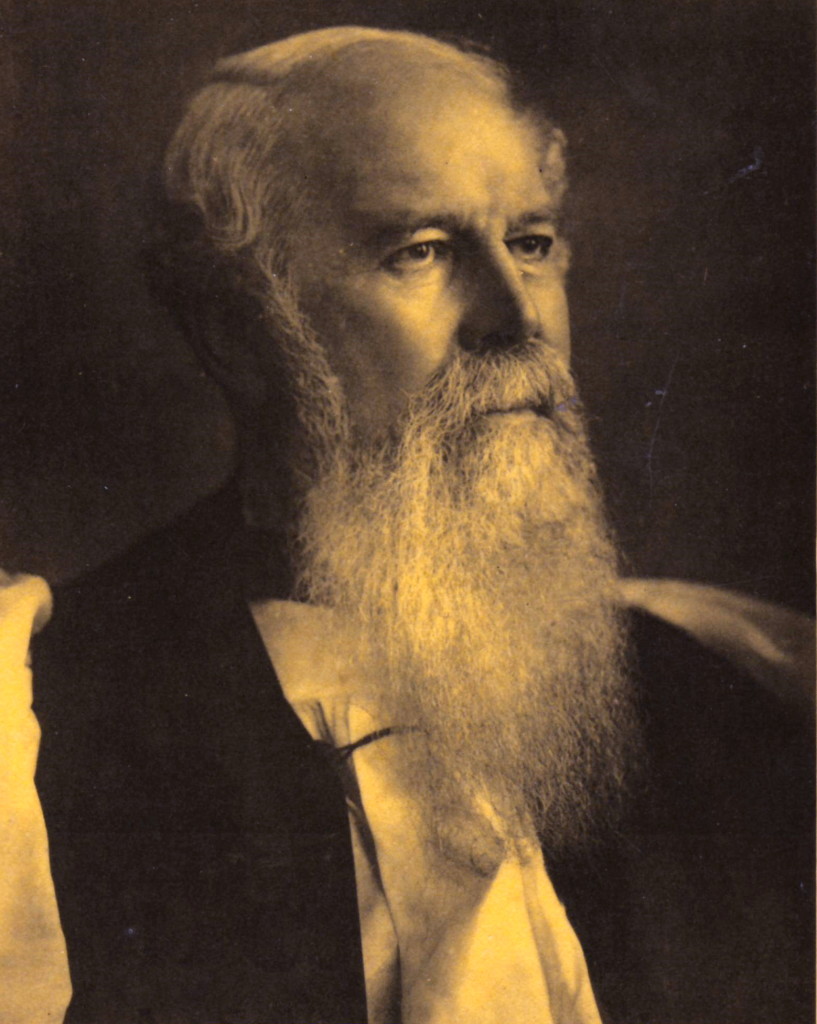
J.C. Ryle’s sermon on Luke 1:34-38 centers around the mystery of the Incarnation, emphasizing its profound significance within the Christian faith. Ryle explores Mary’s question to the angel Gabriel about how she could conceive without knowing a man, underscoring the reverence with which such divine mysteries should be approached. He cites passages like Hebrews 9:14 and John 14:17 to illustrate the crucial role of the Holy Spirit in both the Incarnation and the broader work of redemption, arguing that the Trinity—the Father, Son, and Holy Spirit—works harmoniously in salvation. The theological implications of God's omnipotence, expressed through the phrase “with God, nothing shall be impossible,” serve as an encouragement to believers facing doubt and trials. Ultimately, Ryle highlights Mary's faithful acceptance of God's will, advocating for a similar readiness among Christians to embrace their divine callings, regardless of the trials involved.
Key Quotes
“Let us ever regard it with holy reverence, and abstain from those improper and unprofitable speculations upon it, in which some have unhappily indulged.”
“Faith never rests so calmly and peacefully as when it lays its head on the pillow of God's omnipotence.”
“There is not a more noble proof of faith than bringing all the powers of our understanding and will captive to our Creator, and without any questionings, to go blindfold wherever He will lead us.”
“Let us seek, in our daily practical Christianity, to exercise the same blessed spirit of faith which we see here in Mary.”
The Bible teaches that the Word became flesh through the Holy Spirit's work, revealing the mystery of the Incarnation.
The Incarnation is a profound reality articulated in Luke 1:34-38, where Mary asks the angel how she can conceive without knowing a man. The angel responds that the Holy Spirit will come upon her, and because of this divine intervention, that which is born will be called the Son of God. This highlights the miraculous nature of Christ's entrance into the world, underscoring that while we accept the truth of the Incarnation, the mechanics of it are a divine mystery meant to evoke reverence rather than speculation. Such mysteries affirm that in Christianity, we often encounter truths that transcend human understanding, calling for faith rather than questioning beyond what has been revealed.
Luke 1:34-38
With God, nothing shall be impossible, reminding us that His omnipotence assures us that all promises will be fulfilled.
The declaration that 'with God nothing shall be impossible' (Luke 1:37) serves as a cornerstone for understanding divine capability. This truth is vital for believers facing doubt or difficulty. It reassures us that God's power transcends our circumstances and limitations. We see throughout Scripture, from the creation of the world to the redemption of mankind through Christ, that God's sovereign will achieves everything He desires. His omnipotence means that there is no sin too great to be forgiven and no heart too hard to be softened. Affirming this truth in our hearts can bring peace amid our trials and uncertainties, providing a solid foundation for our faith and trust in God's promises.
Luke 1:37
The Holy Spirit is essential in the work of salvation, overseeing our regeneration, sanctification, and continual comfort as believers.
The role of the Holy Spirit in salvation cannot be overstated, as embodied in Scripture. From the moment of conception in Mary (Luke 1:35) to Christ's work of redemption, the Holy Spirit is intricately involved. Jesus, through the eternal Spirit, offered Himself as the ultimate sacrifice for sin (Hebrews 9:14). Following His resurrection, it is the Holy Spirit that empowers believers for living the Christian life, comforts them, and leads them into truth (John 14:26). This triune involvement—Father's election, Son's redemption, and Spirit's sanctification—is foundational and emphasizes the relational nature of God in the salvation process, denoting that the work of each Person of the Trinity is essential for the transformation of a believer's life.
Hebrews 9:14, John 14:26
Mary exemplified faith by accepting God's will without question, embodying trust in divine purpose despite potential risks.
Mary's response to the angel, 'Behold the handmaid of the Lord; let it be to me according to your word' (Luke 1:38), showcases profound faith. Despite the societal dangers and personal trials that this divine announcement posed, Mary accepted her role in God's unfolding plan. Her willingness to place her complete trust in God reflects the essential principle of faith in the Christian life. In small daily decisions and significant life choices, we too are called to emulate Mary's attitude of submission and trust, recognizing that aligning our will with God's often entails stepping into uncertainty. This faith, free from doubt and questioning, honors God and serves as a model for all believers who seek to follow His will, mirroring the call to surrender in our own lives.
Luke 1:38
Comments
Your comment has been submitted and is awaiting moderation. Once approved, it will appear on this page.
Be the first to comment!
