Bootstrap
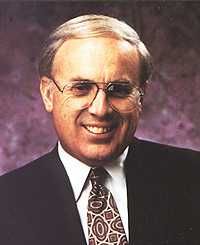
John MacArthur

Is it biblical to tell unbelievers that God loves them?

Ephesians 5:25; John 10:11-15
John MacArthur October, 4 2017 Video & Audio
0 Comments
Insightful short video on a very important question!

Sproul and MacArthur give the Scriptural answer.

In Pastor John MacArthur's sermon, the primary theological topic addressed is the nuanced understanding of God's love, particularly in relation to unbelievers. He argues that there are three distinct types of divine love: benevolence, beneficence, and complacency. MacArthur emphasizes that while God's love of benevolence and beneficence extends to all, the love of complacency — the redemptive love for those in Christ — is not universal and cannot be claimed by everyone. He cites Ephesians 5:25 and John 10:11-15 to support the idea that God’s true love is conditional upon being in a relationship with Christ. The significance of this teaching underscores the necessity of repentance and faith, countering the popular sentiment that God loves everyone unconditionally, which could lead individuals to a false sense of security about their salvation.

Key Quotes

“God does not love the whole world in the love of complacency.”

“When we tell people God loves you unconditionally, we misrepresent the biblical character of God.”

“The sinner needs to be terrified about his condition. He doesn't need to feel comfortable in the fact that he's turned out so well.”

“Knowing the terror of the Lord, Paul says, we persuade men.”

Sermon Transcript

Auto-generated transcript • May contain errors

100%
Often I hear the phrase, God
loves you, proclaimed to a group of people, which may include
both Christians and non-Christians. Is this biblical to say that
phrase to just anyone? When we look at the concept of
the love of God in Scripture, we see distinctions that have
to be made. Historically and theologically,
we distinguish among three types of divine love. There is the
love of benevolence, where God has a A kind spirit to the whole
world, and His benevolent will, and His benevolent love falls
on everybody. But there's also the sense in
which the Bible, the love of God is defined in terms of God's
beneficence. That is, that's not just simply
what His attitude is towards the world, but how He displays
that goodness. The rain falls upon the just
as well as on the unjust. And so that universal dimension
of the love of God is manifest. But usually when we're talking
about the love of God in popular language, what really is what
we're talking about is what we call God's love of complacency. And that term, the love of complacency,
is not used in the way in which we use the term complacency in
our age, in our culture. And our term of complacency means
smugness. self-satisfaction, that sort
of thing. But rather when the Scriptures
indicate the love of complacency, it's that special love that God
has for His Son and all of those who are in His Son and who are
adopted into His family. And if we talk about the love
of God in His terms of the love of complacency, and talk about
it That's blasphemy, because God does not love the whole world
in the love of complacency. In fact, the Scriptures tell
us that there are many ways in which God is at enmity with the
world. He hates the world. He hates
those who are swift to shed blood, and we have to take that into
account. When I hear preachers stand up
and say that God loves everybody unconditionally. I want to scream
and say, wait a minute, then why does He call us to repent?
Why does He call us to come to the cross? Why does He call us
to come to Christ? If God loves everybody unconditionally.
then you can do whatever you want and believe whatever you
think. It's just not true that God loves
His Son. He's placed an absolute condition
by which He requires. He doesn't just invite people
to come to His Son. He commands all men everywhere
to repent of their sins and to come to Christ. And if you want
to enjoy the love of complacency, you have to be in Christ. When everyone is talking about
the love of God and God loves me just as I am, how would you
respond? SPROUL JR.: : The kingdom of
God is not Mr. Rogers' neighborhood. I think there are few things
more dangerous than preachers out there preaching that God
loves everybody unconditionally, because the message that is heard
by the people who hear that is, There are no conditions. I can
continue to live just as I'm living in full rebellion against
God, and I have nothing to worry about because there aren't any
conditions that I have to meet. God loves me unconditionally.
I don't have to repent. I don't have to come to Jesus.
I don't have to leave my life of sin. No conditions. No strings attached. God loves
me just the way I am. He's glad that I turned out so
nicely. so on. But there is a sense. I've written a book on the love
of God where I talk about the three ways in which theologians
speak about the love of God. God's love of benevolence where
God has a good will towards everybody, believers and non-believers.
Beneficent love of God. God gives benefits to people
whether they're believers or not believers. The rain falls
on the just as well as on the unjust. But the most important
consideration is the love of complacency, not the love of
smugness. But what is meant by the love
of complacency is the filial love that God has for the redeemed. And that love is directed first
to Christ and then to all who are in Christ, our elder brother. And that salvific love is not
something that God has for everybody unconditionally. And sometimes
we close our eyes to what the Bible says frequently about God's
posture towards the impenitent. God, the Bible tells us, abhors
the wicked. That's strong language. God abhors,
detests the wicked who are impenitent. And then people say, well, God
loves the sinner. He just hates the sin. But He
doesn't send the sin to hell. He sends the sinner there. And so this is very dangerous
stuff when we tell people God loves you unconditionally. So we have to do it from a biblical
perspective rather than trying to change the biblical character
of God. God is angry every day against
the wicked, and justly so. And every impenitent sinner is
exposed every second to the rage, the fury of God's wrath, as Paul
tells us in Romans 1, 18 and following. But again, like you
said earlier, there's no understanding of the good news apart from the
bad news. Christ came into the world that
was already under. the universal indictment for
rejecting God the Father, for living in a sense where the clear
revelation of God, as you pointed out Steve, was so made manifest
to every human being. But our nature is so fallen that
we don't want God in our thinking. We don't want God in our minds.
And we want so much to win people to Christ. that will do everything
we can to hide from them the reality of the wrath of God.
We don't tell them that every moment that they refuse to repent
that they are heaping up wrath against the day of wrath. But people aren't afraid of the
wrath of God. And it's because we're out there
telling them, you don't have to be afraid of God, because
God is so nice, and it's Mr. Rogers' neighborhood. It takes the terror out of it.
Knowing the terror of the Lord, Paul says, we persuade men. It's
a fearful thing, a terrifying thing to fall into the hands
of a living God. Preaching that God loves you
unconditionally is the wrong message. The sinner needs to
be terrified about his condition. He doesn't need to feel comfortable
in the fact that he's turned out so well, as R.C. put it.
Sproul, Jr. You know, just in the last year, John, I've had
two guys come into membership in our church as adults, baptized
as adults, by the way, who in their testimony Their
testimony is that what drove them to the gospel was they realized
that they were on their way to hell. And that scared them, literally
scared them the hell out of them, right? Yeah, and rightly so. Yeah. You know, that's part of what Steve
was saying. Excuse me, Chris. That's part of what Steve was
saying. If we're going to ever colonization to righteousness,
the preaching has to dramatically change. It has to dramatically
change.
Broadcaster:

Comments

0 / 2000 characters
Comments are moderated before appearing.

Be the first to comment!

Joshua

Joshua

Shall we play a game? Ask me about articles, sermons, or theology from our library. I can also help you navigate the site.