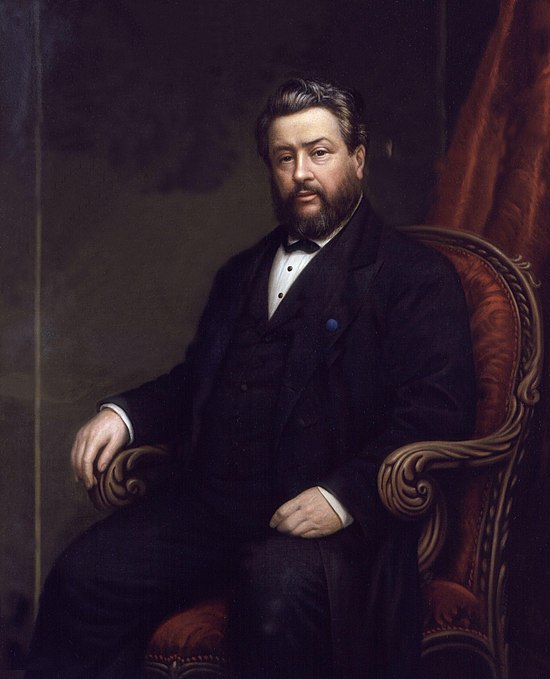
In C. H. Spurgeon's sermon "Soul Winning #2," the primary theological topic addressed is the various obstacles to evangelism and soul winning. Spurgeon emphasizes the challenge of indifference, unbelief, delay, carnal security, despair, love of sin, self-righteousness, worldliness, and the influence of one's environment on individuals' receptiveness to the Gospel. He draws upon Scripture, such as Matthew 28's Great Commission and examples from 1 Thessalonians 1, to underscore the urgency of evangelism, as he highlights that overcomes these obstacles requires both fervent passion for souls and a reliance on the Holy Spirit's power rather than mere argumentation. The practical significance of this sermon belongs to the Reformed tradition of understanding God’s sovereignty in salvation while affirming the necessity of earnest gospel proclamation and personal zeal in the face of sin's pervasive influences.
Key Quotes
“I have spoken to you, brethren, at different times about soul winning, that most royal employment.”
“Your only hope of overcoming [indifference] is this, to double your own passion.”
“I believe that you will rout unbelief by your faith rather than by your reason.”
“The unbelieving sinner is condemned already and that he is certain to perish forever if he does not trust in Christ.”
The Bible emphasizes the importance of soul winning in Matthew 28, where Christians are called to make disciples of all nations.
The Bible teaches that soul winning is a significant and noble task for believers. In Matthew 28:19-20, Jesus commands His followers to 'go therefore and make disciples of all nations, baptizing them in the name of the Father and of the Son and of the Holy Spirit.' This Great Commission emphasizes the responsibility of Christians to share the Gospel and lead others to faith in Christ. Furthermore, throughout scripture, we see a clear call to evangelism and an urgent need for believers to actively participate in bringing souls to Christ, highlighting the gravity and significance of this divine mandate.
Matthew 28:19-20
The Bible states that faith in Christ is the only way to salvation, as seen in John 3:16.
Belief in Christ is essential for salvation according to the scriptures. John 3:16 affirms this by declaring, 'For God so loved the world, that he gave his only Son, that whoever believes in him should not perish but have eternal life.' This reinforces the idea that faith in Jesus is the sole means by which one can be saved. Moreover, Romans 10:9 emphasizes that 'if you confess with your mouth that Jesus is Lord and believe in your heart that God raised him from the dead, you will be saved.' Thus, true faith and belief in Christ are not only central themes in scripture but are foundational to the doctrine of salvation in sovereign grace theology.
John 3:16, Romans 10:9
Unbelief hinders the accepting of the Gospel, as demonstrated by the lack of faith in Jesus’ hometown.
Unbelief serves as a significant obstacle in the context of soul winning because it directly affects one's receptiveness to the Gospel message. In Mark 6:5-6, it is noted that Jesus could not perform many miracles in His hometown due to their lack of faith, illustrating how unbelief limits the transformative work of God. When individuals harbor unbelief, they often prioritize their own opinions over the truths of scripture, making it difficult for them to accept the Gospel. As Spurgeon highlighted, the best way to combat this is through the demonstration of sincere faith by believers. By living out their convictions and showcasing the power of faith, Christians can provide a compelling testimony that may break through the barriers of unbelief in others.
Mark 6:5-6
Overcoming indifference requires Christians to fervently maintain their zeal and passion for the Gospel.
Indifference among sinners is a profound challenge for those engaged in soul winning. Many people show little to no interest in spiritual matters, rendering evangelistic efforts seemingly futile. To combat this, Spurgeon urges believers to double their own passion and keep their zeal alive, transforming their earnestness into a source of inspiration for others. By passionately preaching the truth and engaging with those who may be indifferent, Christians can strive to awaken interest in the divine. The overall responsibility rests on believers to ignite a fervor within themselves that can, in turn, affect their hearers. Hence, it is crucial for Christians not only to proclaim the Gospel but to do so with vibrant assurance and vitality to spark curiosity in those who are indifferent.
1 Thessalonians 1
Despair causes individuals to lose hope in salvation, affecting their willingness to seek Christ.
Despair is a significant barrier to individuals coming to salvation as it leads to hopelessness regarding their current state and potential for redemption. Many who hear the Gospel may feel overwhelmed by their sins and believe that they are beyond God's grace; such feelings can be paralyzing. Spurgeon pointed out that while the power of salvation is solely in God's hands, preachers should encourage potential believers to possess hope and a sense of responsibility for their own salvation. Instead of resigning to fate, individuals are called to active seeking and repentance. By preaching a message of hope and the assurance of God's mercy for those who earnestly turn to Him, the despairing can be prompted to cast their burdens upon Christ—making clear that salvation, while ultimately divine in origin, involves their engagement.
2 Corinthians 5:20
Comments
Your comment has been submitted and is awaiting moderation. Once approved, it will appear on this page.
Be the first to comment!
