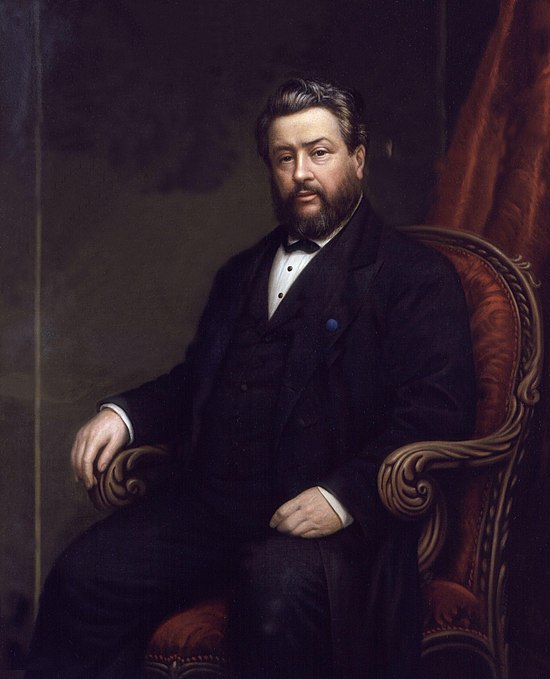
The sermon titled "Election: Its Defenses and Evidences" by C. H. Spurgeon delves into the Reformed doctrine of election, arguing for its biblical basis and significance in the life of believers. Spurgeon contends that the doctrine of election is clearly affirmed in Scripture, notably in 1 Thessalonians 1:4-6 and Romans 9, and stresses its importance for understanding God's sovereignty and grace. He addresses common objections to the doctrine, asserting that silence on such truths risks misunderstanding and maligning God, and that election is founded on God's sovereign will rather than human merit. The practical implications are significant: believers are encouraged to seek evidence of their election through conviction, desire for holiness, and joy in service, rather than presumption or superficial assurance. Ultimately, trusting in Christ brings salvation and confirms one’s election, emphasizing that faith is the means through which God’s chosen ones come to experience His grace.
Key Quotes
“But truth is never dangerous. It is error and silence that are filled with peril.”
“The doctrine of election cannot possibly be inconsistent with certain clear promises in God's Word.”
“If we are God's elect, we must have some substantial evidence to attest to it.”
“You must go to the cross to get the decree. You must go by way of redemption to get to election. There is no other way.”
Election is God's sovereign act of choosing certain individuals for salvation, as described in 1 Thessalonians 1:4-6 and Romans 9.
The doctrine of election teaches that God, in His sovereign will, has chosen certain individuals to be saved. This is evident in Scripture, such as in 1 Thessalonians 1:4-6, where Paul affirms the election of the Thessalonians because of the transforming power of the gospel in their lives. Romans 9 further illustrates God's sovereign right to choose whom He will save, emphasizing that His decisions are rooted in His divine pleasure and purpose, independent of human merit.
1 Thessalonians 1:4-6; Romans 9
The truth of election is supported by Scripture, which consistently points to God's sovereign choice in salvation.
We know the doctrine of election is true by examining the teachings of Scripture. In 1 Thessalonians 1:4-6, the Apostle Paul indicates that the gospel's power and the transformation in the lives of believers confirm their status as the chosen ones by God. Further, Romans 9 elucidates God's sovereign prerogative in choosing whom He wills for salvation, showcasing that His choice is not based on any foreseen merit but solely on His good pleasure. The consistent message throughout the Bible affirms that election is an essential aspect of God's plan of salvation.
1 Thessalonians 1:4-6; Romans 9
Election assures Christians of God's sovereign grace in their salvation and encourages them to live in response to that grace.
The concept of election is vital for Christians as it assures them that their salvation is rooted in God's sovereign grace rather than their own works or merits. This understanding fosters a sense of security in their relationship with God, knowing that their election is irreversible and effective, as described in Romans 8:30. Furthermore, the doctrine empowers believers to respond to God's grace with gratitude, prompting them to live lives that reflect their status as chosen ones. In light of this truth, Christians are called to embrace their election as motivation for holiness and evangelism, leading them to share the message of salvation with others.
Romans 8:30
The evidence of election is seen in a believer's response to the gospel, their conviction of sin, and their desire to follow Christ.
To ascertain if one is elected by God, one should examine the evidence of their response to the gospel. According to Spurgeon, signs of election include experiencing the word of God come to you with power, receiving it with deep conviction, aspiring to be Christ-like, and possessing a genuine joy in spiritual service despite trials. If a person finds themselves responding positively to the gospel, developing a desire for holiness, and experiencing spiritual joy, these may serve as evidences of God's election in their life. Ultimately, the call is to trust in Christ for salvation, as this act of belief is central to affirmation of one's election.
1 Thessalonians 1:4-6
Comments
Your comment has been submitted and is awaiting moderation. Once approved, it will appear on this page.
Be the first to comment!
