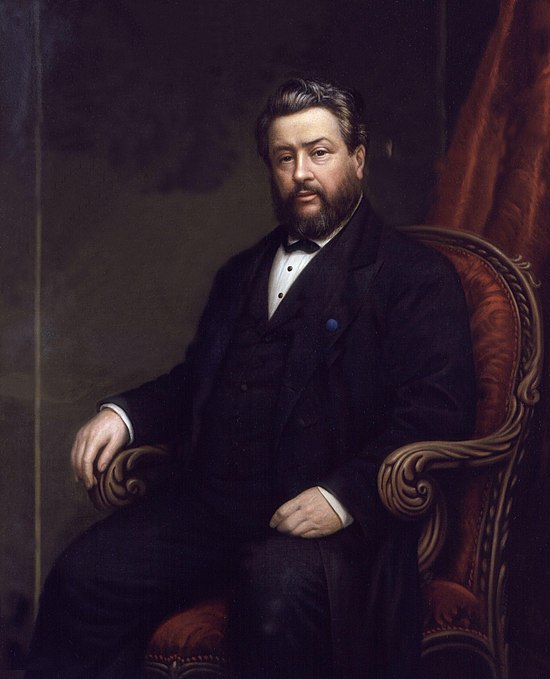
This sermon, titled Revival Work, addresses the theological topic of revival as the sovereign work of God in the life of the church and individual believers. Spurgeon articulates three key truths: first, that salvation is entirely God’s work, emphasizing that no human can claim any role in converting souls, as supported by passages like Jonah 2:9 and Ephesians 2:1-5. Secondly, he highlights that the work of grace must periodically be revived, reflecting on the believer's fluctuating states of faith and zeal, and affirming that God can rekindle hearts (Habakkuk 3:2). Finally, he asserts that true revival can only be initiated by God Himself, warning against man-made efforts which often lead to false conversion. The sermon’s practical significance lies in its call for earnest prayer among Christians for divine revival, challenging them to seek God's direct intervention in their lives and churches.
Key Quotes
“Salvation comes from the Lord alone.”
“God must do the work Himself and Himself alone.”
“Oh, Lord, revive thy work.”
“If the revival is a genuine work of God, a supernatural work of the Holy Spirit, then neither death nor hell can ever destroy God's own work.”
The Bible emphasizes the need for God to revive His work among His people, as seen in Habakkuk 3:2.
The call for revival is rooted in the understanding that God’s work must be sustained and enlivened by His Spirit. In Habakkuk 3:2, we see the cry, 'O Lord, revive thy work,' which acknowledges that spiritual vitality is a divine gift. It highlights that for a revival to occur, it must stem from God's initiative and power, as true revivals are not man-made but an outpouring of the Holy Spirit. Throughout church history, significant awakenings like those during Jonathan Edwards' ministry serve as profound examples of God's sovereign work transforming lives and communities.
Habakkuk 3:2
Salvation is solely the work of God, not man, as reinforced in Scripture and emphasized in Jonah 2:9.
The doctrine of salvation being entirely the work of God is foundational to Reformed theology. In Jonah 2:9, the prophet declares, 'Salvation comes from the Lord.' This encapsulates the truth that from the first stirring of desire for God in a sinner's heart to the final breath of life, God's grace is essential and primary. While instruments such as ministers are used in the process, they do not contribute to the salvation itself. This underscores both the sovereignty of God in the salvation of souls and the absolute need for His grace at every step.
Jonah 2:9
Prayer is essential for revival as it connects believers with God’s power to transform hearts and communities.
Prayer serves as a vital means through which God's people seek His intervention and blessing. Scriptural examples, including the persistent prayer for revival seen throughout the Bible, demonstrate a reliance on God’s power to effect change. James 5:16 encourages believers by stating that the prayer of a righteous person is effective and powerful. In seeking revival, the church must earnestly cry out for renewal, recognizing that without divine action, any attempts at revival are futile. Consequently, prayer is foundational not just to seek revival but to prepare hearts for God’s transformative work.
James 5:16
Only God can truly revive His work, as human efforts cannot replicate the power of the Holy Spirit.
The assertion that only God revives His work emphasizes the uniqueness of divine action. While human initiatives may stir temporary interest, they can often leave lasting damage and spiritual desolation, as seen in the criticisms of man-driven revivals. Authentic revival is characterized by God’s clear involvement, which brings about lasting transformation and spiritual awakening among His people. John 3:8 reminds us that 'The wind blows where it wishes,' signifying that God alone orchestrates the movements of His Spirit. Efforts devoid of genuine reliance on God ultimately cannot bring true change.
John 3:8
Comments
Your comment has been submitted and is awaiting moderation. Once approved, it will appear on this page.
Be the first to comment!
