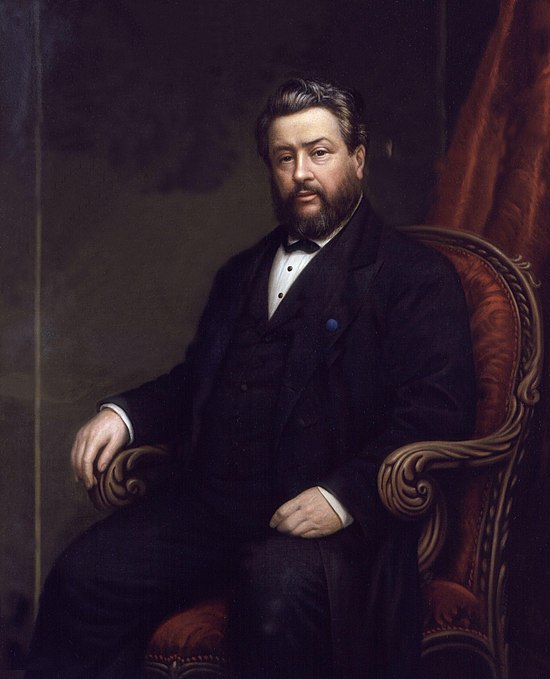
In his sermon "Teaching Children," C. H. Spurgeon emphasizes the theological doctrine that children are capable of being taught the fear of the Lord. He argues against the common misconception that children lack the ability to grasp profound truths of Christian faith, using Psalm 34:11 as a scriptural foundation to assert that children can and should learn about God's attributes and moral duties. Spurgeon acknowledges the example of King David in the Psalm, where the urgent call to teach arises from a moment of personal humiliation, highlighting the salient responsibility of educators in nurturing the faith of the youth. He contends that teachers must develop a genuine sense of duty to impart spiritual truths to children, instilling in them a solid foundation that can endure. Spurgeon’s call to action underscores the importance of teachers understanding their pivotal role and the eternal ramifications of their ministry, thus elevating the teaching ministry as a sacred vocation.
Key Quotes
“The doctrine is that children are capable of being taught the fear of the Lord.”
“Never go to your Sunday school class with the thought that the children cannot understand you.”
“Be careful how you treat young devotion to Christ. Treat it very tenderly.”
“With this introduction, he begins and teaches them morality. Keep your tongue from evil and your lips from speaking lies.”
The Bible emphasizes that children can and should be taught the fear of the Lord, as seen in Psalm 34:11.
In Psalm 34:11, David invites children to come and learn about the fear of the Lord, indicating the importance of instilling this foundational truth in their hearts. The belief that children are incapable of understanding complex theological concepts is a significant error; rather, as Spurgeon asserts, as soon as children are capable of sinning, they can also be taught to understand the truth of God's Word. The call to teach children the fear of the Lord is a universal duty of Christian parents and teachers.
Psalm 34:11
Children are capable of understanding the gospel and can respond to God's call to salvation.
Spurgeon illustrates that children's capacity for understanding the gospel is evident from their ability to grasp spiritual truths at an early age. He argues that if a child is capable of sinning, they are also capable of receiving salvation through faith. Additionally, he cites examples from scripture where young individuals have displayed a sincere faith in God, reinforcing the notion that spiritual understanding is not restricted by age. The simplicity of a child's faith often surpasses that of adults, making them prime candidates for gospel teaching.
Teaching children about God is crucial for their spiritual well-being and growth in faith.
The instruction of children in the ways of God lays the foundation for their understanding of faith and morality. Teaching children early about God's love, the nature of sin, and the saving grace of Christ is essential, as it impacts their spiritual trajectory for life. Spurgeon highlights the importance of carefully nurturing the young minds, as the doctrines taught during these formative years will likely stay with them throughout their lives. Furthermore, in an era where moral confusion abounds, grounding children in biblical truths is necessary for building a generation that loves and serves the Lord.
Key subjects include morality, godliness, the nature of sin, the necessity of a changed heart, and the blessings of being a Christian.
According to Spurgeon, there are five critical subjects for Sunday School teachers to impart to children: 1) Morality, which teaches the importance of right conduct; 2) Godliness, emphasizing constant belief in God's oversight; 3) The evil of sin, which highlights the consequences of wrongdoing; 4) The necessity of a changed heart, illustrating the importance of repentance; and 5) The immeasurable blessings of being a child of God. Each subject is woven into the fabric of biblical teaching and is tailored to shape children's understanding and character in alignment with God's Word.
Psalm 34
Teachers should approach teaching with care, kindness, and a focus on securing children's attention.
Spurgeon advises that teaching children requires a nurturing approach that fosters love and respect. Teachers must strive to build relationships with their students, making themselves approachable and relatable so that children are eager to listen. Utilizing stories and illustrations can capture their attention, as children naturally respond well to engaging narratives. Additionally, teachers should be mindful of the weight of their responsibility, ensuring they convey biblical truths accurately, as their influence is pivotal in shaping the children's understanding of God and His Word.
Comments
Your comment has been submitted and is awaiting moderation. Once approved, it will appear on this page.
Be the first to comment!
