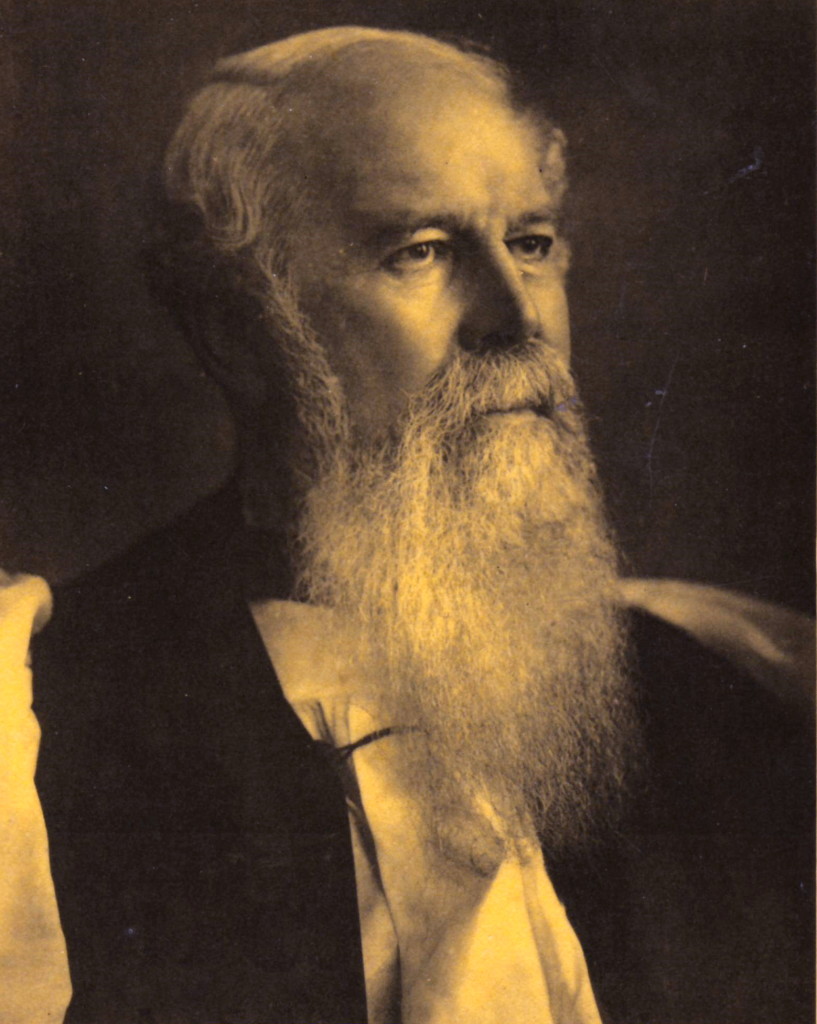
107. Jesus and the Children, Luke 18:15-17
Luke 18:15-17
In his sermon "Jesus and the Children," J.C. Ryle addresses the significance of children in relation to the kingdom of God as depicted in Luke 18:15-17. He critiques the disciples' misunderstanding of children's spiritual needs, emphasizing that young souls are precious to Christ and capable of receiving grace despite prevailing misconceptions within the Church. Ryle presents several key arguments, including the validity of infant baptism based on the continuity of God's covenant with children and the assertion that children can genuinely receive religious instruction and be saved even at a young age. He supports his points through careful exegesis of Scripture, particularly referencing John 3:6 and Romans 5:20. The practical significance of the sermon lies in encouraging the Church to recognize the importance of nurturing children in faith and embracing them as integral members of the body of Christ.
“Suffer, little children, to come unto me, and forbid them not, for such is the kingdom of God.”
“The souls of young children are evidently precious in God's sight.”
“Let us regard children as a most important part of Christ's professing church, and a part which the great head of the church does not like to see neglected.”
“We should not be afraid to bring them to baptism even in their earliest infancy, and to dedicate them to Christ from the beginning of their days.”
The Bible teaches that children's souls are precious to God and capable of receiving grace.
Luke 18:15-17, Romans 5:20
The Bible assures us that the souls of children can receive salvation, just as adults can.
Luke 18:15-17, Romans 5:20
Baptizing infants aligns with scriptural principles that affirm children can receive grace.
Luke 18:15-17
Jesus' acceptance of children teaches us about humility, faith, and the value of childlike dependence.
Luke 18:15-17
Auto-generated transcript • May contain errors

Comments
Your comment has been submitted and is awaiting moderation. Once approved, it will appear on this page.
Be the first to comment!