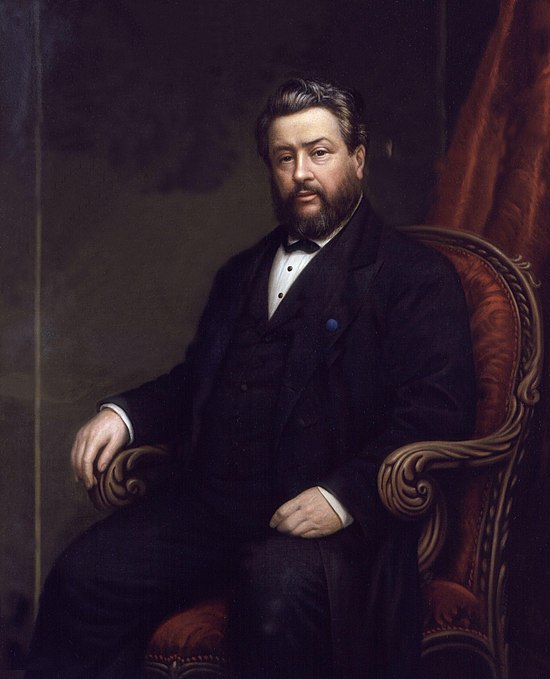
In his sermon "Election is No Discouragement to Seeking Souls," C. H. Spurgeon addresses the Reformed doctrine of divine election, emphasizing God's sovereignty and grace in the salvation of individuals. He argues that God's right to choose whom He will save does not hinder the sinner's pursuit of salvation; rather, it should encourage earnest seeking. Central to his points is the Scripture from Exodus 33:19, illustrating God's gracious freedom to show mercy, alongside Paul's discourse on election in Romans 9, showcasing examples like Elijah and Naaman to underscore God's sovereign choice. Spurgeon's practical application is profound: He contends that the truth of divine election ultimately drives sinners to rely on Christ alone, rather than their own efforts, while assuring that genuine seekers will indeed find mercy, thus dismantling false confidence in self-righteousness.
Key Quotes
“The creature before its creator must now be silent as to any demands on him.”
“The doctrine of election opens the door of hope to the worst of the worst.”
“If I am to be saved for no reason at all, but simply because God wills to save me, then there is hope for me.”
“The whole world is full of examples of divine sovereignty.”
The Bible teaches that God sovereignly chooses whom He will save, showing mercy to whom He wills.
The doctrine of election is evidenced in Scripture, particularly through passages such as Exodus 33:19, where God declares, 'I will have mercy on whom I will have mercy.' This indicates that God's choice is not based on any foreseen merit but on His sovereign will. Romans 9 further elaborates this doctrine by highlighting God's right as the Creator to show mercy or harden whom He chooses. The concept of election reveals God's supreme sovereignty, assuring believers that their salvation is rooted in His decision and grace rather than their own efforts.
Exodus 33:19, Romans 9
The truth of election is affirmed in Scripture, emphasizing God's sovereign choice over human action.
The doctrine of election is substantiated through biblical texts that reveal God's sovereignty in salvation. Romans 9 underscores this by stating that it does not depend on man's desire or effort but on God's mercy. Moreover, the examples of biblical figures such as Jacob and Esau highlight that God's choice is not based on human works but on His own purpose. This perspective encourages believers to trust in God's sovereignty, which ultimately brings comfort and assurance that their salvation is secured by God's will and grace.
Romans 9
God's sovereignty assures Christians that their salvation is secure and based on His will, not their efforts.
The sovereignty of God is crucial for Christians as it reinforces the assurance of salvation. Understanding that God is in control of all things provides comfort amidst uncertainty. It means salvation is not achieved by human efforts but is a gift from God, emphasizing grace over works. This perspective nurtures humility in believers, reminding them that they are saved not because of anything they have done, but solely because of God's loving choice. Furthermore, God's sovereignty assures believers that even in trials, His purposes will prevail, ultimately leading to their good and His glory.
Romans 8:28-30
God's sovereignty and human responsibility coexist, as God's sovereign call empowers believers to respond in faith.
The reconciliation of God's sovereignty with human responsibility is a complex but essential aspect of Christian doctrine. While God elects those whom He will save, He also commands all to repent and believe. This duality is illustrated in Scripture where God’s invitations to seek Him are extended to everyone. Election does not negate prayer or the need for faith; rather, these responses are initiated by God Himself. Understanding that God's election is sovereign yet compatible with human response encourages believers to act in faith while recognizing that their ability to do so is itself a result of divine grace.
1 Timothy 2:4, Romans 10:13
Sinners should seek God because His invitations are genuine and extended to all, regardless of election.
Despite the doctrine of election, sinners are encouraged to seek God because His invitations to salvation are sincere and universal. The call to repent and believe is extended to every person, and the act of seeking demonstrates a heart that is responsive to God’s grace. In Matthew 11:28 and Revelation 22:17, we see the Savior inviting all who are weary and thirsty to come to Him. This highlights that while God’s choices are sovereign, His ways of reaching sinners with grace through the gospel remain open to all. Seeking God should be viewed as an opportunity to grasp the assurance of His mercy and love.
Matthew 11:28, Revelation 22:17
Comments
Your comment has been submitted and is awaiting moderation. Once approved, it will appear on this page.
Be the first to comment!
