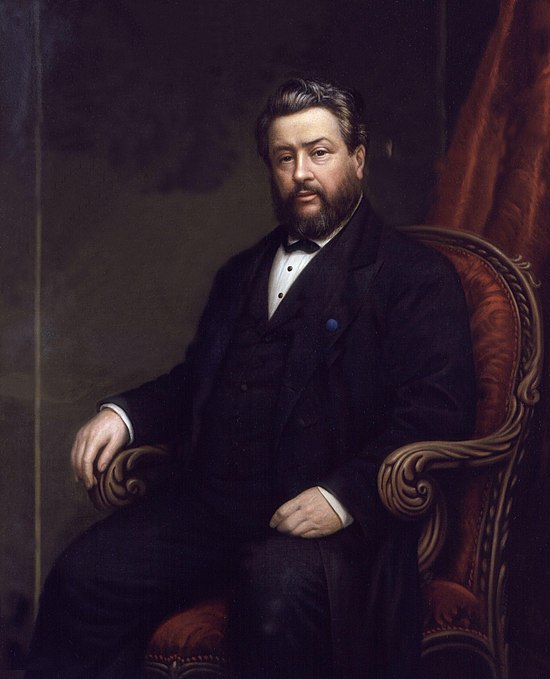
The main theological topic addressed in C. H. Spurgeon's sermon, "Baptismal Regeneration," revolves around the doctrine of baptism and its relationship to faith and salvation. Spurgeon strongly asserts that baptism without faith does not confer salvation, emphasizing that belief is the indispensable requirement for salvation, as illustrated in Mark 16:15-16 and Romans 6. Specifically, he interprets Mark's statement that "whoever believes and is baptized will be saved" to mean that while baptism follows faith, it is faith alone that brings salvation, rendering the act of baptism meaningless for the unbeliever. The practical significance of this sermon lies in its call for believers to reject the false confidence in baptismal regeneration that may lead one to feel secure in their salvation without true faith in Jesus Christ, warning that such reliance risks eternal damnation.
Key Quotes
“Baptism without faith saves no one. The text says, whoever believes and is baptized will be saved. But whether a man is baptized or not, it asserts that whoever does not believe will be condemned.”
“Facts, brethren, are against this Roman Catholic doctrine, and facts are stubborn things.”
“Oh, may the Lord prepare you for the battle. Believe me, it is no small thing. It may be on this ground Armageddon will be fought.”
“If I am not mistaken, the day will come when we will have to fight for a simple spiritual religion far more than we do now.”
The Bible teaches that baptism alone does not save; faith is the essential requirement for salvation.
According to Mark 16:15-16, baptism is linked to salvation, but it is made clear that belief is the indispensable requirement. 'Whoever believes and is baptized will be saved, but whoever does not believe will be condemned.' This indicates that baptism without faith does not contribute to salvation. The New Testament emphasizes that faith is necessary, and that without it, no one can be saved. Therefore, while baptism is an important act of obedience and a public declaration of faith, it does not confer regeneration or salvation on its own.
Mark 16:15-16, Romans 6
Baptismal regeneration is contradicted by Scripture, which makes clear that faith is required for salvation, not the act of baptism.
Baptismal regeneration, the belief that baptism itself regenerates and saves a person, is refuted by both the teachings of Scripture and observable facts. Spurgeon emphasizes that individuals who were baptized often do not exhibit the fruits of salvation. He points out the inconsistencies in the doctrine when considering the behaviors of many baptized individuals who live contrary to Christian teachings. If baptism does regenerate, then those who are baptized should naturally reflect the character of Christ. However, such evidence does not align with the reality of many lives. Thus, the assertion that baptism saves must be rejected in light of both biblical teaching and real-world examples.
Mark 16:15-16, Romans 6
Faith is essential as it is the means by which a believer is saved and regenerated; it connects us to Christ.
Faith is described in the Scriptures as the one indispensable requirement for salvation. Spurgeon highlights that faith is a gift from God and the work of the Holy Spirit. True faith involves accepting God’s testimony about His Son, believing in Christ’s atonement, and trusting Him completely for salvation. It transforms a person, instilling a hatred for sin and a desire for holiness. Without this faith, there can be no salvation, emphasizing the necessity for believers to anchor their hope not in rituals such as baptism, but solely in the person and work of Jesus Christ.
Mark 16:15-16, Romans 6
Baptism is an important act of obedience and a public declaration of one's faith in Jesus Christ.
Baptism serves several vital roles for Christians. It is an outward sign of an inner faith and symbolizes a believer's identification with the death, burial, and resurrection of Jesus Christ. It is a public declaration of a person's faith and commitment to follow Christ. While baptism does not save, it is nevertheless significant as it represents the believer's obedience to Christ's command and signifies the transformative work of the Holy Spirit in their life. Importantly, baptism reflects a believer's testimony to the church and the watching world, affirming their commitment to live for Christ.
Mark 16:15-16, Romans 6
Comments
Your comment has been submitted and is awaiting moderation. Once approved, it will appear on this page.
Be the first to comment!
