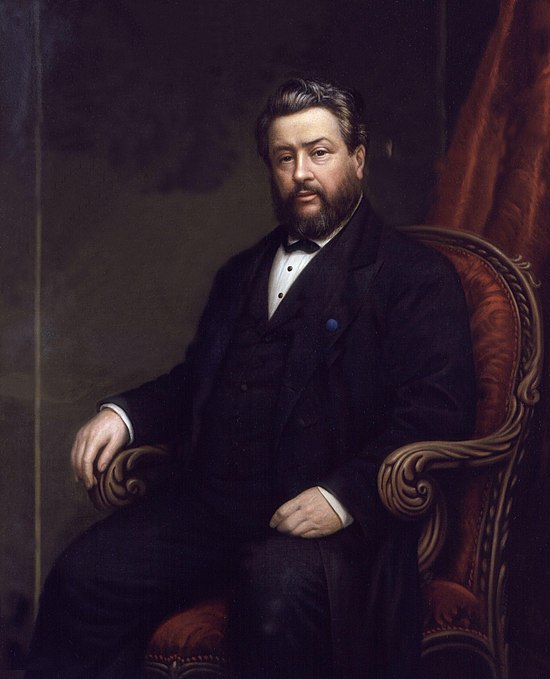
In "Justice Satisfied," C. H. Spurgeon explores the profound Christian doctrines of God's justice and the atonement of Christ. He argues that divine justice initially poses a barrier to the salvation of sinners, who rightfully fear God's condemnation due to their sins. Using Romans 3:26 and 1 John 1:9, Spurgeon emphasizes that God can remain just while forgiving sin because justice is satisfied through the sacrificial atonement of Jesus Christ. He articulates how Christ, as the righteous substitute for sinners, bears the full punishment necessary to satisfy divine justice, thereby allowing God to justify those who have faith. The practical significance underscores that the acknowledgment of sin and sincere confession, paired with faith in Christ's redemptive work, assure believers of God's willingness to forgive and purify them from all unrighteousness.
“Oh, he says to himself, God is a just God. And because he is, how can he forgive my sins? For my wickedness loudly cries out for punishment.”
“It is true that God is just. Let the old city of Sodom tell you how God rained down fire and brimstone out of heaven upon man's iniquity.”
“The very justice which stood in the sinner's way and prevented his being forgiven has been appeased by the gospel of Christ.”
“God can be just and yet the justifier of him that believes.”
The Bible teaches that God is just and faithful to forgive those who confess their sins through Jesus Christ (1 John 1:9).
1 John 1:9, Romans 3:26
Christ satisfies God's justice by being our substitute, bearing the punishment for our sins to uphold both justice and mercy (Romans 3:26).
Romans 3:26
Confessing sins is essential for Christians as it aligns with God's promise to forgive and cleanses the believer from unrighteousness (1 John 1:9).
1 John 1:9
Auto-generated transcript • May contain errors

Comments
Your comment has been submitted and is awaiting moderation. Once approved, it will appear on this page.
Be the first to comment!