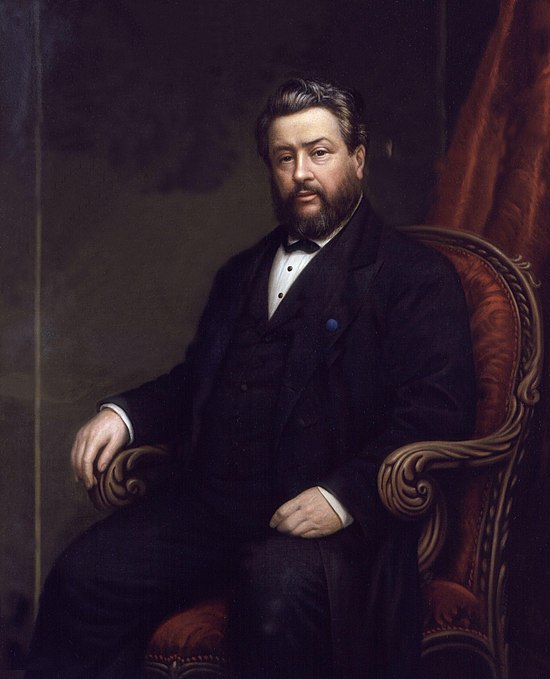
The sermon "The First Christmas Carol" by C. H. Spurgeon addresses the theological doctrine of the incarnation and its implications for God's glory, human peace, and divine goodwill. Spurgeon argues that the angels' proclamation, “Glory to God in the highest, and on earth peace, goodwill towards men” (Luke 2:14), highlights the transcendence of God’s love and the significance of Christ’s birth. He supports his points by emphasizing the angels' role as messengers of joy and their approval of God's plan to redeem humanity without saving the fallen angels, which underscores divine sovereignty and grace. The practical significance lies in the call for believers to acknowledge God's glory, seek true peace, and embody goodwill toward others, particularly during the Christmas season.
“It is wrong to worship angels, but it is appropriate to love them.”
“They sang, glory to God in the highest, for they felt that God's goodness could not go any higher.”
“If salvation glorifies God, glorifies Him in the highest degree, and makes the highest creatures praise Him, this one reflection must be added that any doctrine which glorifies man in salvation cannot be the gospel.”
“Remember it is goodwill towards men. Try if you can to show them goodwill at this special season.”
The Bible depicts angels as joyful messengers, singing glory to God at the birth of Christ in Luke 2:14.
Luke 2:14
Salvation glorifies God by showcasing His attributes such as justice, mercy, and love, as discussed in Spurgeon's sermon.
Luke 2:14
Goodwill towards men is emphasized to show God's benevolence and desire for reconciliation with humanity through Christ.
Luke 2:14
Christians should respond to the angel's song of peace by embodying reconciliation and sharing the good news of Christ.
Luke 2:14
Auto-generated transcript • May contain errors

Comments
Your comment has been submitted and is awaiting moderation. Once approved, it will appear on this page.
Be the first to comment!