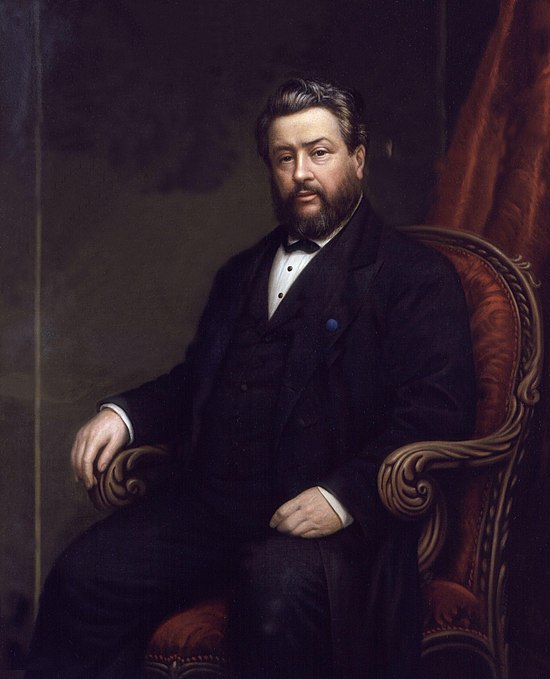
C. H. Spurgeon's sermon, "Baptism, a Burial!" focuses on the theological doctrine of baptism as an outward sign of the inward reality of believers’ union with Christ in His death, burial, and resurrection. Spurgeon argues for believer's baptism by immersion, emphasizing its significance as a representation of the believer’s acceptance of Christ's sacrificial death on their behalf (Romans 6:3-4). He explains that baptism not only signifies the believer's participation in the death of Christ but also symbolizes the new life that arises from that union, asserting that true communion with Christ necessitates a life transformed and motivated by His grace. The practical significance of this doctrine is profound; it urges believers to reflect on their new identity in Christ and encourages a lifestyle of holiness, separate from the sinful patterns of the world.
Key Quotes
“Baptism sets forth the death, burial, and resurrection of Christ and our participation in it.”
“We declare in baptism that we believe in the death of Jesus and desire to partake in all its merits.”
“How will we who are dead to sin live any longer in it?”
“Baptism is the funeral rite by which death to sin is openly set forth before all men.”
The Bible teaches that baptism signifies the burial of believers with Christ, representing their union with Him in His death and resurrection.
According to Romans 6:3-4, baptism is an essential Christian rite that signifies a believer’s identification with the death, burial, and resurrection of Jesus Christ. When a person is baptized, they are symbolically buried with Christ in His death, indicating that their old self has died, and they are raised to new life through Christ’s resurrection. This act is a public declaration of their faith and acceptance of Christ’s substitutionary death on their behalf. As such, baptism serves both as a physical sign of inward grace and as a means of expressing one’s commitment to live a new life in alignment with Christ’s teachings and example.
Romans 6:3-4
Scripture indicates that baptism is intended for those who are specifically believers in Christ, as it signifies a personal union with Him.
The teaching of the Apostle Paul in Romans 6 emphasizes that baptism is for those who have faith in Christ. The phrase 'all of us who were baptized into Christ Jesus' reflects that baptism is reserved for those who can genuinely profess their faith. This aligns with the idea that baptism represents a personal acceptance of Christ’s death, burial, and resurrection, an experience that cannot be genuinely claimed by unbelievers. While there are many views on baptism, the minister asserts that to design baptism for those who do not believe would contradict its very purpose and significance. As such, the biblical view strongly affirms that baptism should be administered only to those who have made a credible profession of faith.
Romans 6:3-4
Union with Christ is vital as it defines the believer’s identity and provides assurance of salvation and new life in Him.
The doctrine of union with Christ is foundational in Reformed theology, indicating that believers are spiritually joined with Christ in His death and resurrection. This means that His death is also their death; they are considered dead to sin and alive to God through Him (Romans 6:11). This profound truth empowers Christians to live a new life characterized by holiness and devotion to God. The believer’s assurance is rooted in this union; it affirms that they are accepted in Christ, their sins atoned for by His sacrifice, and their righteousness fully accomplished through Him. Consequently, understanding this union not only strengthens faith but also compels believers to live in accordance with their new identity as children of God.
Romans 6:3-4
Baptism serves as a public declaration of faith and symbolizes a believer's identification with Christ’s death and resurrection.
In the life of a Christian, baptism holds profound significance as it is the outward expression of an inward change and commitment to follow Christ. As highlighted in Romans 6, baptism illustrates not only the burial of the believer’s old self but also their resurrection to new life in Christ. It acts as a visible testimony before others of an individual’s faith in Jesus and their willingness to live a life transformed by His power. Moreover, baptism signifies the believer's identification with the church, marking them as part of the community of faith tasked with living out the implications of their new identity. This sacred ordinance cultivates a sense of accountability and commitment to the Lord and one another.
Romans 6:3-4
Comments
Your comment has been submitted and is awaiting moderation. Once approved, it will appear on this page.
Be the first to comment!
