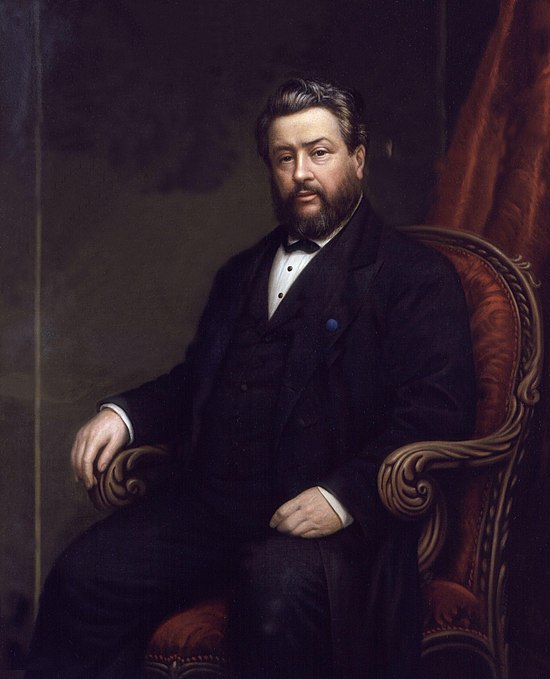
In his sermon "Christ Lifted Up!" C. H. Spurgeon examines the theological significance of Christ's crucifixion, highlighting its dual nature as both a moment of shame and a source of glory. Spurgeon argues that Christ's death— termed as "lifting up"—is not merely a humiliation but the pinnacle of divine triumph, rooted in John 3:14-15 and John 12:32, which affirm that through His exaltation on the cross, Christ draws all men to Himself. The sermon signifies the importance of preaching Christ in the ministry as the central focus, elevating His atoning sacrifice over mere moral lessons or doctrinal debates. In doing so, Spurgeon asserts that the essence of evangelical proclamation lies in declaring Christ crucified, emphasizing both His enduring love for sinners and the necessity of faith for unity among believers.
“Christ's crucifixion is Christ's glory. He uses the word lifted up to express the manner of his death... But notice the choice of the word to express his death. He does not say, I when I am crucified, I when I am hung on the tree. No, but what he says is, I when I am lifted up.”
“The only standard of union that can be lifted up in England is the cross of Christ.”
“Nothing but the gospel is the power of God unto salvation.”
“The cross is the plank on which we swim to heaven.”
The Bible teaches that Christ's crucifixion is an exaltation that draws all men to Himself (John 12:32).
John 3, John 12:32
Christ's crucifixion is central because it embodies His glory and the fulfillment of His redemptive work (John 12:32).
John 12:32
Preaching Christ crucified is essential because it is the power of God for salvation to all who believe (Romans 1:16).
Romans 1:16
Auto-generated transcript • May contain errors

Comments
Your comment has been submitted and is awaiting moderation. Once approved, it will appear on this page.
Be the first to comment!