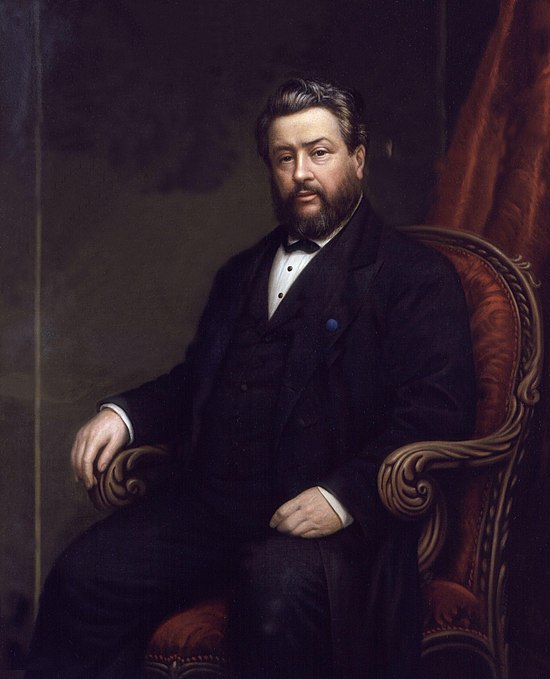
The sermon "Living on the Word" by C. H. Spurgeon centrally addresses the theological doctrine of the significance of God's Word for spiritual life, as affirmed in Scripture (Deuteronomy 8:3; Matthew 4:4). Spurgeon argues that physical sustenance, symbolized by bread, is secondary to the spiritual nourishment derived from God's Word. He underscores that life is not merely sustained by material means but primarily by the divine sustenance provided through Scripture and the promises of God. By examining Jesus’ temptation in the wilderness, Spurgeon illustrates that reliance on God’s Word is crucial in overcoming temptation and sustaining spiritual life. The sermon's practical significance emphasizes that all of Scripture — doctrinal teachings, commands, and promises — must be actively embraced and lived upon for true spiritual vibrancy and health.
“Man does not live on bread alone, but on every word that comes from the mouth of the Lord.”
“If you do not believe that, it will not be food for you... It cannot feed your soul as long as you are disputing about it.”
“We are to live on it as that squirrel lives on his beech tree. Let it be to you spiritually your house, your home, your food, your medicine...”
“Every part of the Word of God is food for the soul.”
The Bible teaches that man does not live on bread alone but on every word that comes from the mouth of the Lord (Deuteronomy 8:3).
Deuteronomy 8:3, Matthew 4:4
Every word from God is vital, as it is all inspired by Him and essential for both doctrine and practice (2 Timothy 3:16).
2 Timothy 3:16
Living on God's Word is crucial for spiritual growth and sustenance in the Christian life (John 6:63).
John 6:63, Ephesians 4:15-16
The principles of Scripture should be embraced as daily guidance and spiritual sustenance for living faithfully (James 1:22).
James 1:22, Romans 12:2
Auto-generated transcript • May contain errors

Comments
Your comment has been submitted and is awaiting moderation. Once approved, it will appear on this page.
Be the first to comment!