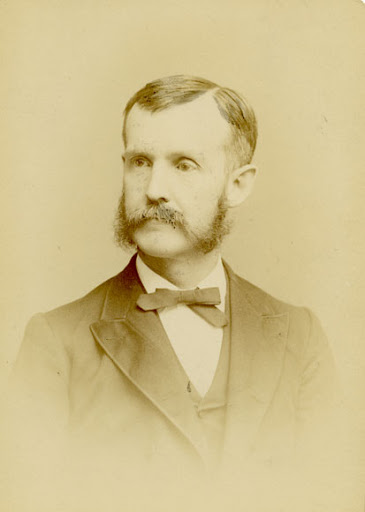
In J. R. Miller's sermon "Our Daily Bread," he addresses the theological concept of divine providence as articulated in Matthew 6:11, which emphasizes God's care for human physical needs. Miller discusses the significance of the petition for daily bread, illustrating that it acknowledges human dependence on God for all sustenance, rather than self-reliance. He references Matthew 6:25-34, highlighting that just as God provides for the birds and flowers, so too does He provide for humanity, reinforcing the notion that even seemingly trivial needs are under God's sovereignty. The sermon further emphasizes that the request for daily bread should cultivate a spirit of gratitude, communal concern for others, and a focus on living one day at a time, which aligns with Reformed doctrines of God's faithfulness and human responsibility in work and provision.
“It is a great comfort to know that we may bring our physical needs to God in prayer.”
“Nothing necessary for our life is too small or too earthly to put into the heart of a prayer.”
“Those who ask God for their bread get it as his gift, and with his blessing upon it.”
“We are not to live to get food, but are to live, first and last, as gods and for God.”
The Bible teaches us to pray for our daily bread, emphasizing our dependence on God for our physical needs.
Matthew 6:11, Matthew 6:26-30
Scripture assures us that God knows our needs and will provide for them, as seen in His care for creation.
Matthew 6:26-30
Asking for daily bread emphasizes our reliance on God and encourages us to seek Him in all aspects of life.
Matthew 6:11, Philippians 4:19
Daily bread symbolizes God's provision and our need for physical and spiritual nourishment.
John 6:35, Matthew 6:11
Auto-generated transcript • May contain errors

Comments
Your comment has been submitted and is awaiting moderation. Once approved, it will appear on this page.
Be the first to comment!