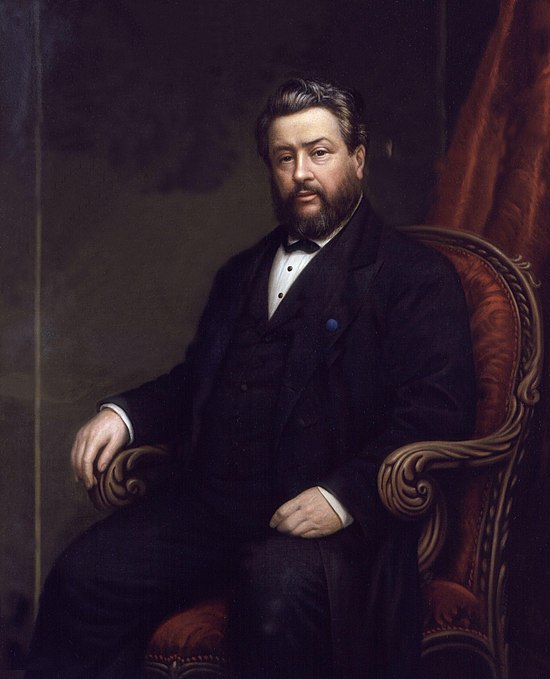
What the Lord's Supper Sees and Says
1 Corinthians 11:26
In C. H. Spurgeon's sermon, “What the Lord's Supper Sees and Says,” the primary theological topic is the significance of the Lord's Supper as a memorial of Christ's death. Spurgeon emphasizes that the ordinance is centered on Jesus Christ himself, specifically through His broken body and shed blood, symbolizing the tangible representation of His sacrifice. He references 1 Corinthians 11:26, highlighting how partaking in the Lord's Supper proclaims the death of Christ until His second coming, reinforcing the importance of this act in the life of the believer. Spurgeon articulates that the Supper serves not only as a poignant reminder of Christ's sacrifice but also as a source of communal confession and a prophetic anticipation of His return, illustrating the rich doctrinal significance of this practice within Reformed theology—fostering remembrance, fellowship across generations, and the joy of future hope in Christ’s return.
“The central thought at this table is concerning our Lord Himself and that part of Himself which is most easy for us to realize, His flesh, with which He touches us so tenderly.”
“You see, then, that this supper concerns our Lord Jesus, and it especially concerns his death... to keep the letters on this monument always deeply carved and legible, proclaiming his death.”
“This supper is His pledge. And it would be a cruel mockery of us if he never came. He must come.”
“Come, therefore, beloved, come to this ordinance which has such richness of meaning... with all your brothers and sisters but you nonetheless as truly as if you were alone.”
The Lord's Supper is a sacred ordinance instituted by Christ, serving as a memorial of His death and a proclamation of His sacrifice until He returns.
1 Corinthians 11:26
The Lord's Supper is crucial for Christians as it reinforces the centrality of Christ's death and fosters unity within the body of believers.
1 Corinthians 11:26, Ephesians 4:4-6
The Lord's Supper is a true ordinance established by Christ, evidenced by His instructions to His disciples at the Last Supper.
Matthew 26:26-29, 1 Corinthians 11:24-25
Auto-generated transcript • May contain errors

Comments
Your comment has been submitted and is awaiting moderation. Once approved, it will appear on this page.
Be the first to comment!