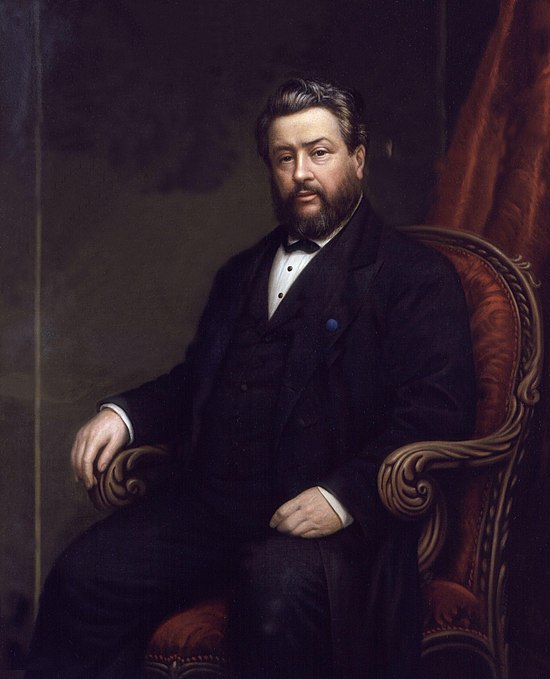
This sermon, titled "Spiritual Revival, the Need of the Church," preached by C. H. Spurgeon, underscores the imperative of divine intervention for the revival of both individual believers and the broader church. Spurgeon emphasizes that true religion is fundamentally the work of God, asserting that it is a grave error to attribute the effects of grace to human efforts (Habakkuk 3:2 and Romans 12). He presents a poignant critique of contemporary Christians, claiming that moral decay and nominal Christianity reflect a lack of true spiritual vitality, suggesting a pressing need for revival among the faithful. Spurgeon's exploration of personal and corporate spiritual awakening stresses the necessity of crying out for God's reviving work, illustrating the doctrine of grace and the power of prayer in restoring the church's vigor. This sermon calls for a return to earnestness, sound doctrine, and a vibrant relationship with Christ as the means to rekindle spiritual life.
Key Quotes
“If He should select out of His works that which He esteems most of all, He would select true religion.”
“We ascribe nothing to man, but everything to God.”
“Let us therefore begin with ourselves, remembering that we are part of that church, and that our own need of revival is in some measure the cause of that need in the Church at large.”
“The church needs a revival of downright earnestness and intensity of her members.”
The Bible emphasizes the need for revival, as seen in Habakkuk 3:2, urging believers to seek God's intervention in reviving His work.
Spiritual revival is a concept deeply rooted in scripture, particularly in Habakkuk 3:2, where the prophet cries out, 'O Lord, revive your work.' Revival signifies a restoration of spiritual vitality and a rekindling of faith among believers. The Bible portrays revival as a divine act, where God intervenes, bringing back to life what was once spiritually dead, highlighting that true religion is fundamentally the work of God. When we pray for revival, we acknowledge our dependence on the Lord to reawaken both our souls and the larger community of faith.
Habakkuk 3:2, Romans 12
God's sovereignty in salvation is established in scripture, affirming that He alone is the author of grace in our hearts.
The sovereignty of God in salvation is a central tenet of Reformed theology, clearly articulated in passages such as Ephesians 1:4-5, which emphasizes God's predestining work in salvation. Scripture repeatedly affirms that salvation is not the result of human effort but entirely the work of God, who chooses and calls His people according to His purpose. The assurance of God's sovereign grace rests on His eternal plan wherein He orchestrates the circumstances of salvation, demonstrating His ultimate authority and the necessity of His active role in the life of every believer.
Ephesians 1:4-5, Romans 8:28-30
Revival is crucial for Christians as it renews their spiritual vitality and deepens their relationship with God.
The importance of revival for Christians cannot be overstated. It serves as a moment of awakening, wherein believers are stirred to recognize their spiritual lethargy and need for God’s presence. Revival is not merely about individual piety but also the collective state of the church. Through revival, Christians are called to assess their own lives against the holiness of God, leading to confession, repentance, and a renewed commitment to faithfulness. As the hearts of believers are revived, the entire church body experiences rejuvenation, fostering a sincere and collective expression of worship, outreach, and vital Christian living.
Romans 12:1-2, Habakkuk 3:2
The need for spiritual revival in the Church arises from spiritual complacency, lost fervor, and the neglect of true communion with God.
Spiritual revival becomes necessary in the Church due to the pervasive issue of complacency and a loss of zeal among believers. The modern era is marked by superficial religiosity, where many earnestly profess faith yet live devoid of genuine godliness and commitment. This disconnect often results in a church culture that prioritizes form over heartfelt worship. When congregants become indifferent to the holiness and presence of God, they collectively drift into spiritual apathy, necessitating an urgent cry for revival. It is a call to rediscover the intensity and fervor of faith, returning to a heartfelt relationship with Christ, reaffirming the Church’s mission of glorifying Him in all things.
Habakkuk 3:2, Romans 12
Comments
Your comment has been submitted and is awaiting moderation. Once approved, it will appear on this page.
Be the first to comment!
