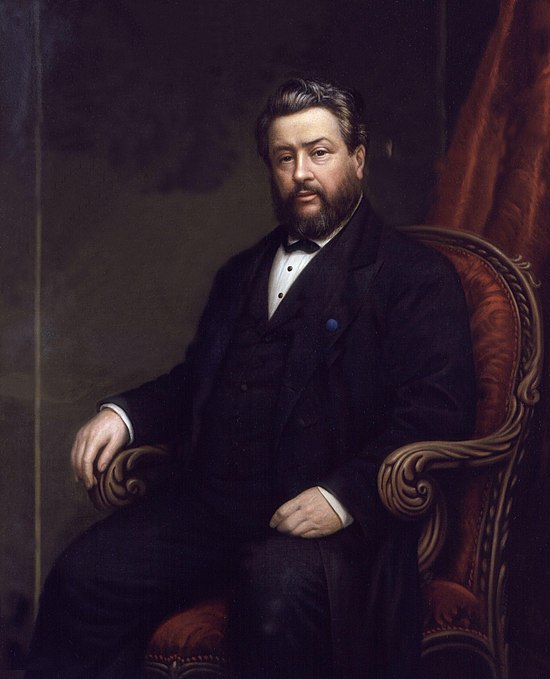
Fellowship with Christ!
1 Corinthians 10:16; Romans 6
In C. H. Spurgeon's sermon "Fellowship with Christ," he articulates the profound doctrine of communion between believers and Jesus, emphasizing the relational nature of this fellowship. Spurgeon contrasts Christ with false prophets, illustrating how Christ invites disciples into close communion without pretense or distance—He desires intimate, personal connection with each believer. The sermon is rooted in passages like 1 Corinthians 10:16, highlighting that partaking in the Lord's Supper is a participation in Christ's body and blood, symbolizing unity with Him. Spurgeon categorizes fellowship into four levels: communication, sympathy, unity, and heavenly fellowship, asserting that this deep communion is essential for spiritual growth and joy in the Christian life. The doctrine stresses that believers not only partake in Christ’s sufferings and joys but also anticipate eternal union with Him in heaven, underscoring the significance of intimate relationship over mere religious formality.
“Christ, our Master, loves to have all His followers live near Him. He loves to have them in sympathy with him.”
“It is a privilege for which angels might barter their crowns away, to be allowed to talk with Christ as faith does.”
“Much more do they say to you, beloved children of God, come to your Savior and hold this fellowship of communication with Jesus Christ, your Lord.”
“The fellowship of which I have been speaking of is a stepping stone to that best, that blessed fellowship which we will have in a few more years, the fellowship of heaven.”
The Bible describes fellowship with Christ as a deep, communicative connection where believers engage in prayer, meditation, and union with Him, as shown in 1 Corinthians 10:16.
1 Corinthians 10:16, Romans 6
Communion is vital for Christians as it symbolizes their unity with Christ and cultivates a deeper spiritual connection through shared participation in His body and blood.
1 Corinthians 10:16
Communion with Christ is affirmed in scripture and experienced by believers through prayer and the sacramental life, creating a deep communal bond.
1 Corinthians 10:16, Romans 6
There are four levels of fellowship with Christ: communication, sympathy, unity, and the fellowship of heaven.
1 Corinthians 10:16, Romans 6
Auto-generated transcript • May contain errors

Comments
Your comment has been submitted and is awaiting moderation. Once approved, it will appear on this page.
Be the first to comment!