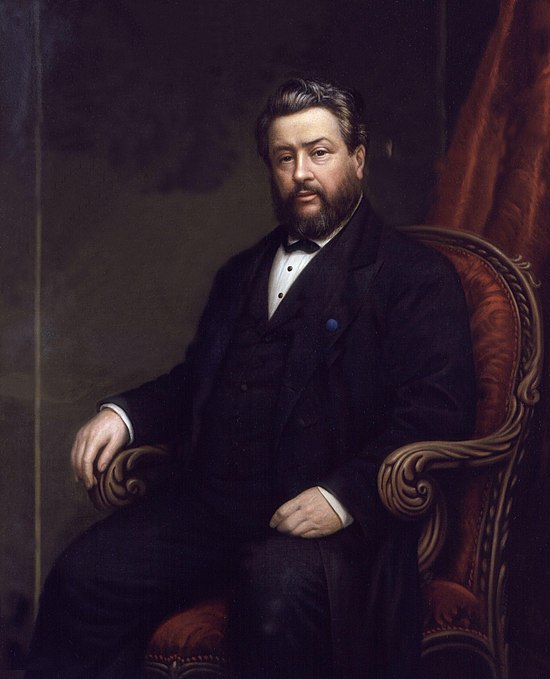
The sermon "The Sin of Unbelief" by C. H. Spurgeon primarily explores the theological implications of unbelief within a Reformed Christian framework. Spurgeon argues that the sin of unbelief not only represents a fundamental distrust of God’s promises but is also the root of all other sins, as evidenced by the biblical examples of Israel and the officer in 2 Kings 7:19, who doubted Elisha’s prophecy. The preacher cites numerous Scripture references, particularly from John 6, to illustrate the dire consequences of unbelief which ultimately lead to judgment and spiritual famine. The practical significance of this sermon stresses that true faith is essential for both salvation and a fruitful Christian life; without it, one can see the blessings of God but cannot partake in them, leading to eternal separation from God’s promised grace.
“Unbelief is the king of all sins, the epitome of guilt, the mixture of the venom of all crimes, the dregs of the wine of Gomorrah.”
“If you could roll all sins into one mass... They would not, even then, equal the sin of unbelief.”
“Oh, dear friends, believe me. If you could roll all sins into one mass, if you could take murder and blasphemy and lust and adultery and fornication and everything that is vile and unite them all into one vast ball of filthy corruption, they would not, even then, equal the sin of unbelief.”
“If you are lost, it will be because you did not believe in Jesus Christ.”
The Bible condemns unbelief as a serious sin that leads to spiritual death and separation from God.
John 16:9, Romans 10:17, Hebrews 11:6
Unbelief is classified as sin in the Bible, exemplified by the consistent call for faith in God’s promises.
John 16:9, John 3:18, Hebrews 3:19
Belief in Christ is essential for salvation as it is through faith that one receives forgiveness and eternal life.
Ephesians 2:8-9, John 14:6
Scripture warns that unbelief leads to condemnation and excludes one from the promises of God.
John 3:36, Hebrews 3:19
Auto-generated transcript • May contain errors

Comments
Your comment has been submitted and is awaiting moderation. Once approved, it will appear on this page.
Be the first to comment!