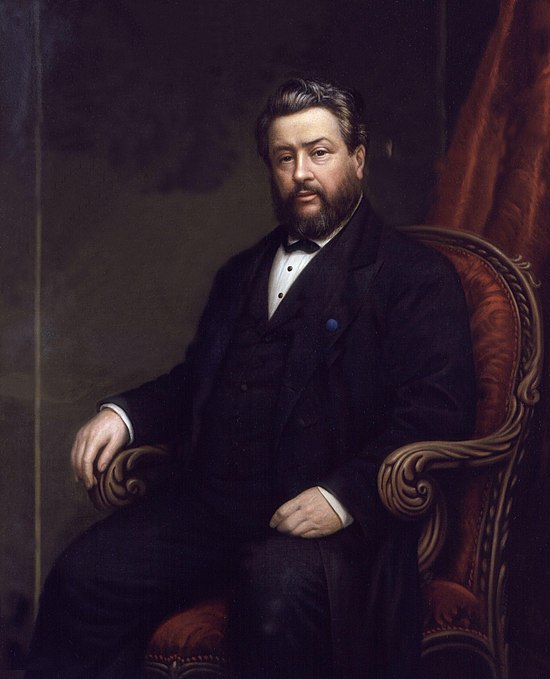
In his sermon entitled “Omniscience,” C. H. Spurgeon expounds on the doctrine of God's omniscience, primarily focusing on the profound truth that God sees each individual at all times. Spurgeon argues that God's nature inherently includes perfect vision and awareness, as illustrated in Genesis 16:13 where Hagar acknowledges Him as “the God who sees me.” He emphasizes that not only is God always observing, but His knowledge is complete—He perceives not only visible actions but also the deepest thoughts and motives of the heart. The sermon highlights relevant Scriptures, including Hebrews 4, to illustrate that God’s omniscience serves both as a comfort to the faithful and a profound warning to the unrepentant sinner. Consequently, the significance of Spurgeon’s message lies in its implications for both personal piety and accountability before God, urging believers to acknowledge their constant divine oversight.
Key Quotes
"There is nothing that a man can do, but God sees it.”
“If you do not see Him around you, look within you, and is He not there?”
“God sees you completely... He does not merely note your actions... He can read right through you.”
“O sinner, remember you sin with God's eyes looking directly at you.”
The Bible teaches that God is all-knowing and observes everything, as seen in Genesis 16:13 and Hebrews 4.
Scripture clearly reveals the omniscience of God, indicating that He is aware of all actions and thoughts. Genesis 16:13 emphasizes that God is a being who sees us intimately and personally. In Hebrews 4, it reminds us that all things are naked and open to the eyes of Him with whom we have to do. This means nothing can be hidden from God's sight, as His knowledge encompasses both what is seen and unseen, past and future.
Genesis 16:13, Hebrews 4
We know God sees us because His omnipresence ensures that He is everywhere, actively observing our lives.
The omnipresent nature of God assures us that He sees us at all times and places. In His fullness, God exists simultaneously in all locations, meaning He observes not just our actions, but also our thoughts and intentions. Spurgeon highlights God's constant activity in all aspects of creation, indicating that wherever we go, God is not only present but also aware of our behaviors and inner thoughts. The fact that God witnesses our existence affirms His intimate relationship with mankind.
Psalm 139:7-10, Acts 17:28
God's omniscience assures Christians that they are seen, valued, and never alone in their struggles.
For Christians, understanding God's omniscience is crucial because it provides assurance of God's constant presence and care in their lives. Knowing that God sees every tear, hears every unspoken prayer, and understands our trials fosters a deep sense of comfort and reliance on His goodness. Spurgeon elaborates on how God sees our thoughts and feelings and emphasizes that His understanding surpasses that of any human companion, which should lead believers to confidence in prayer and trust during difficulties. God's omniscience encourages us to live authentically before Him.
Psalm 56:8, Matthew 6:8
Knowing that God sees us calls Christians to live with integrity and sincerity, aware of His watchful eye.
The awareness of God's omniscience compels Christians to live with integrity and authenticity. Recognizing that our every action and thought is observed by God encourages believers to align their lives with His will. This awareness should lead to a more profound devotion in prayer, knowing that God hears our unspoken longings and understands our struggles. It also instills a sense of accountability, urging us to reflect on our motives and actions honestly, ensuring they are pleasing to God as we live under His constant gaze.
Proverbs 15:3, 1 Corinthians 4:5
Comments
Your comment has been submitted and is awaiting moderation. Once approved, it will appear on this page.
Be the first to comment!
