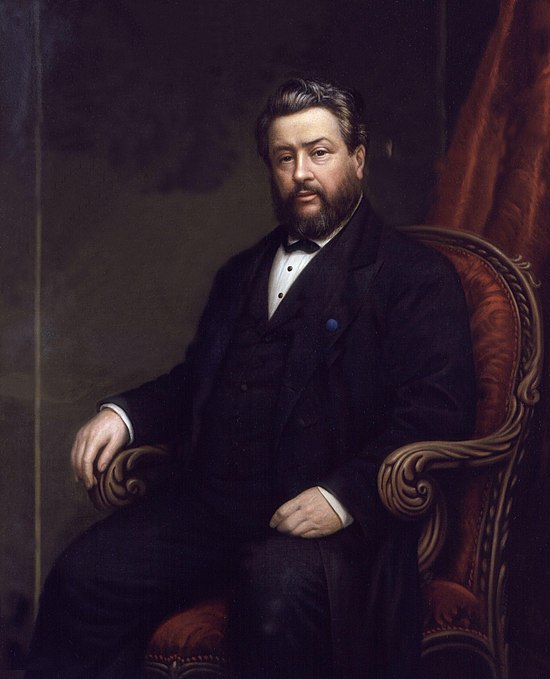
A Definite Challenge for Definite Prayer!
Mark 10:51; Romans 12
In C. H. Spurgeon's sermon titled "A Definite Challenge for Definite Prayer," the main theological topic revolves around the nature and effectiveness of prayer. Spurgeon emphasizes that prayer is not an intrusion but a means through which believers can articulate their deepest needs to Christ, as exemplified in Mark 10:51. He illustrates that Jesus encourages His followers to be specific in their requests, reflecting a clear understanding of their spiritual needs—particularly the recognition of sin and the need for salvation. The sermon draws on Scripture, including Romans 12, highlighting that salvation is both an immediate experience and a continual process of sanctification. The practical significance of this teaching is that believers are called to approach God with confidence and clarity, acknowledging their spiritual weaknesses while seeking empowerment through Christ.
“May we not draw some comfort from the thought that our prayers are never intrusions? Whenever we go before God in deep distress, He is always ready to listen to our cry.”
“When I cannot come to God as a saint, what a mercy it is that I may come to him as a sinner.”
“It is important that a seeking sinner should know what it is that he really wants.”
“He who did not spare His own Son, but gave Him up for us all, how will He not also, along with Him, graciously give us all things?”
The Bible teaches that prayer is effective, as God is always attentive to the prayers of His people.
Mark 10:51
Salvation encompasses not only forgiveness but also liberation from the power of sin.
Hebrews 12:1, Romans 12
Specific prayer cultivates a deeper relationship with God and ensures focused requests on our needs.
Mark 10:51, Romans 12
Auto-generated transcript • May contain errors

Comments
Your comment has been submitted and is awaiting moderation. Once approved, it will appear on this page.
Be the first to comment!