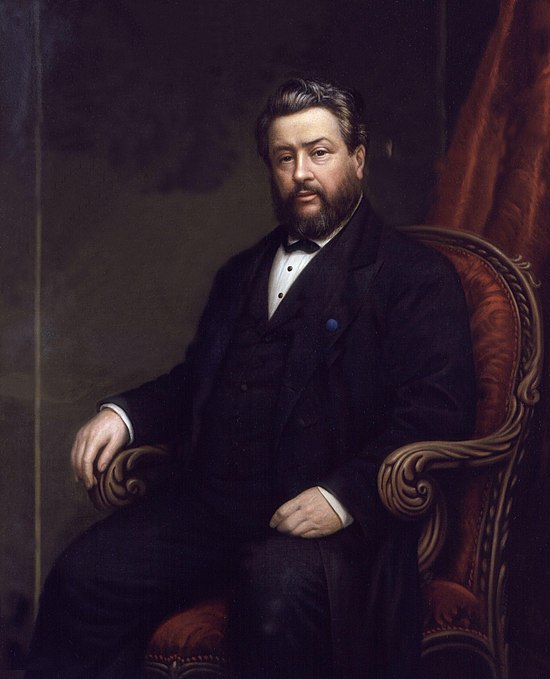
The Condescension of Christ!
2 Corinthians 8:9; Philippians 2
The main theological topic of C. H. Spurgeon's sermon, "The Condescension of Christ," centers on the profound truth of Christ's humility and self-emptying as articulated in 2 Corinthians 8:9 and Philippians 2. Spurgeon elucidates how the eternal riches of Christ, both in glory and divinity, were willingly exchanged for poverty for the sake of humanity's redemption. Through detailed exegesis of relevant Scripture, he lays out the argument that Christ’s voluntary descent into poverty was not merely to experience suffering but to enrich believers spiritually, inviting them to recognize their inherent poverty without Him. The doctrinal significance is twofold: it highlights the grace and love of Christ in His incarnation and sacrifice, as well as the transformative riches believers possess through faith in Him, including adoption, justification, and the promise of eternal life.
“He was rich, yet for your sakes he became poor, so that you through his poverty might become rich.”
“If Christ in his poverty made us rich, what will he do now that he is glorified?”
“Look to Jesus and find salvation there. Remember, to be saved, all that God wants of a repentant sinner is to look to Jesus.”
“One glance will save you. One glimpse will set you free.”
The Bible reveals that Christ, though rich, became poor for our sake to make us rich through His poverty (2 Corinthians 8:9).
2 Corinthians 8:9, Philippians 2:5-8
Christ's poverty makes us rich by securing our salvation and granting us spiritual inheritance and blessings (2 Corinthians 8:9).
2 Corinthians 8:9, Ephesians 1:3
Christ's condescension is a model for Christians to emulate in humility, service, and generosity (Philippians 2).
Philippians 2:5-8
Auto-generated transcript • May contain errors

Comments
Your comment has been submitted and is awaiting moderation. Once approved, it will appear on this page.
Be the first to comment!