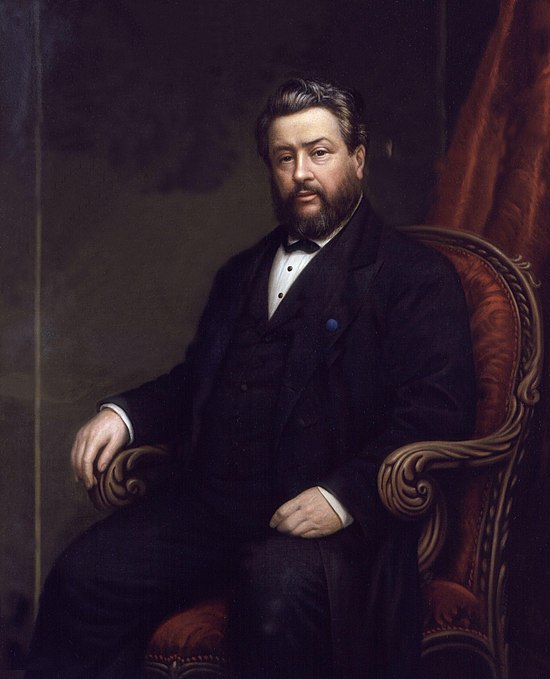
In "Spurgeon's Gems, 51 - 100," C.H. Spurgeon expounds upon key theological truths drawn primarily from Proverbs, emphasizing several vital Reformed doctrines, including total depravity, God’s sovereignty, and the necessity of the Holy Spirit for salvation and spiritual growth. He argues that human works cannot achieve salvation (Gem 51) and underscores God's absolute sovereignty (Gem 52), asserting that even the essence of creation reflects His divine authority. Spurgeon discusses the persistent hope Christians have in God’s love, emphasizing that His presence is always current and unchanging (Gem 53), and he illustrates the tension between human weaknesses and divine power in various aspects of Christian life, such as prayer and battling sin (Gem 59). This collection highlights the practical significance of these doctrines, urging believers to rely on God’s grace and the transformative power of the Holy Spirit in their daily lives.
Key Quotes
“You cannot get to heaven by your works. You might as well seek to reach the stars on a treadmill as to go to heaven by works.” (Gem 51)
“God had a right to make his creatures just as he pleased. And though men and women may dispute this right, He will hold and keep it intact against all comers.” (Gem 52)
“With God there is no past and there can be no future. What we call past, present, and future, He wraps up in one eternal now.” (Gem 53)
“The Holy Spirit champions our calls with Jesus Christ, with groans that words cannot express.” (Gem 88)
The Bible teaches that salvation cannot be achieved through works, as only God's grace through faith leads to salvation.
The Scripture clearly indicates that salvation is not a product of human effort. For example, in Ephesians 2:8-9, we see that 'by grace you have been saved through faith, and that not of yourselves; it is the gift of God, not of works, lest anyone should boast.' This highlights that no matter how virtuous our actions may seem, they cannot merit our justification before God. The notion of relying on our works for salvation is as futile as attempting to reach the stars while on a treadmill. Ultimately, complete dependence on God's grace and mercy is essential for salvation.
Ephesians 2:8-9, Titus 3:5
God's sovereignty is affirmed in Scripture as the ultimate authority over creation, illustrating His complete control and right to govern.
God's sovereignty is a central theme in both the Old and New Testaments. Proverbs 16:9 states, 'The heart of man plans his way, but the Lord establishes his steps.' This beautifully encapsulates the principle that while human beings may make plans, it is ultimately God who directs their paths. Furthermore, Romans 9:20-21 speaks to God’s rights as the Creator to shape His creation as He sees fit. God's sovereignty is not merely theoretical; it is actively displayed throughout history and in our lives as He orchestrates events according to His divine purpose and will.
Proverbs 16:9, Romans 9:20-21
Understanding God's love is vital as it forms the foundation of our faith and informs our relationship with Him and others.
The concept of God's love is paramount in the Christian faith. 1 John 4:8 states, 'Anyone who does not love does not know God, because God is love.' This indicates that our understanding of love is grounded in the character of God Himself. For Christians, recognizing that God's love is unconditional and sovereign provides assurance of our identity and belonging in Him. It compels us to respond with love towards others, reflecting the same grace we have received. Moreover, grasping the depth of God's love can inspire worship, gratitude, and a longing to share this love with a lost world.
1 John 4:8, Romans 5:8
The Holy Spirit plays a crucial role in the life of believers, providing comfort, guidance, and empowerment for living a godly life.
The role of the Holy Spirit is multifaceted in the lives of Christians. John 14:26 states, 'But the Helper, the Holy Spirit, whom the Father will send in my name, he will teach you all things and bring to your remembrance all that I have said to you.' This indicates that the Holy Spirit teaches and reminds us of Christ’s teachings. Additionally, Romans 8:26 speaks about the Spirit interceding for us with groans that words cannot express, highlighting His role in our prayer life. The Spirit is also instrumental in sanctification, as seen in Galatians 5:22-23, where the fruit of the Spirit is described. Thus, the Holy Spirit not only comforts and guides believers but empowers them for holy living.
John 14:26, Romans 8:26, Galatians 5:22-23

Comments
Your comment has been submitted and is awaiting moderation. Once approved, it will appear on this page.
Be the first to comment!