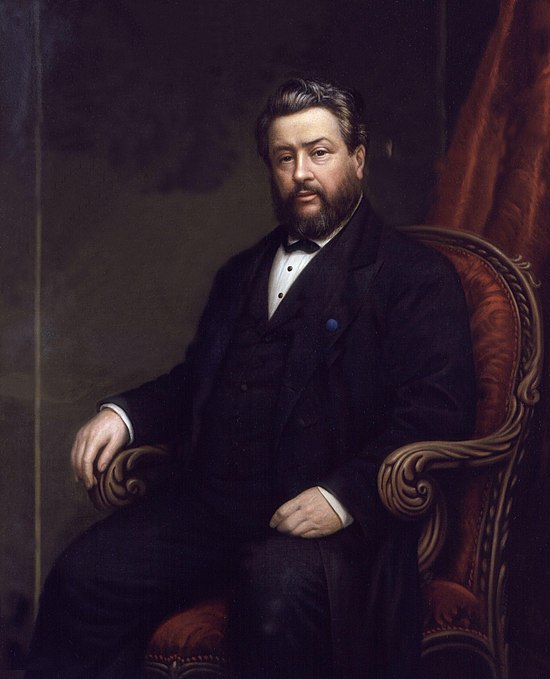
Holding Firm to the Faith
Matthew 10:22; Revelation 2:12-13
The sermon titled "Holding Firm to the Faith" by C. H. Spurgeon addresses the critical Reformed doctrine of perseverance in faith amidst trials and the importance of doctrinal fidelity. Spurgeon emphasizes that believers must remain steadfast to the name of Christ, which is synonymous with the faith itself. He supports his arguments with Scripture references, notably Revelation 2:12-13, which commends the church in Pergamum for their faithfulness despite being situated where Satan's throne is. The sermon highlights the severe consequences of renouncing one's faith and affirms that the true believer can find comfort and strength in Christ's acknowledgment of their struggles. Practically, Spurgeon encourages Christians to uphold their confession of faith consistently, drawing on the importance of fidelity both personally and in the broader church context.
“The name of Christ here is made to be identical with the faith of Christ. Yet, he says, you remain true to my name. You did not renounce your faith in me.”
“Oh, that we might earn it ourselves. And if we have already earned it, may we be helped by the Holy Spirit to hold it tight, so that no one can take our crown.”
“If we don't, then we are showing contempt for our fathers. Isn't it wonderful, just wonderful to read of Luther and his courage?”
“I charge you, not only by your ancestry, but by your posterity, that you seek to win the commendation of your master.”
The Bible encourages believers to stand firm in their faith, as seen in Revelation 2:13, where Jesus commends the church in Pergamum for remaining true to His name.
Revelation 2:12-13, Matthew 10:22
Christ's name is powerful as it is the only name through which salvation comes, according to Acts 4:12.
Acts 4:12
Holding firm to the name of Jesus is crucial for Christians as it signifies loyalty to His teachings and ensures spiritual integrity.
Matthew 10:22, Revelation 2:13
One can deny their faith in Christ through unholy living, neglecting to confess His name, or promoting false doctrine.
Matthew 10:32-33, 1 Timothy 5:8
Auto-generated transcript • May contain errors

Comments
Your comment has been submitted and is awaiting moderation. Once approved, it will appear on this page.
Be the first to comment!