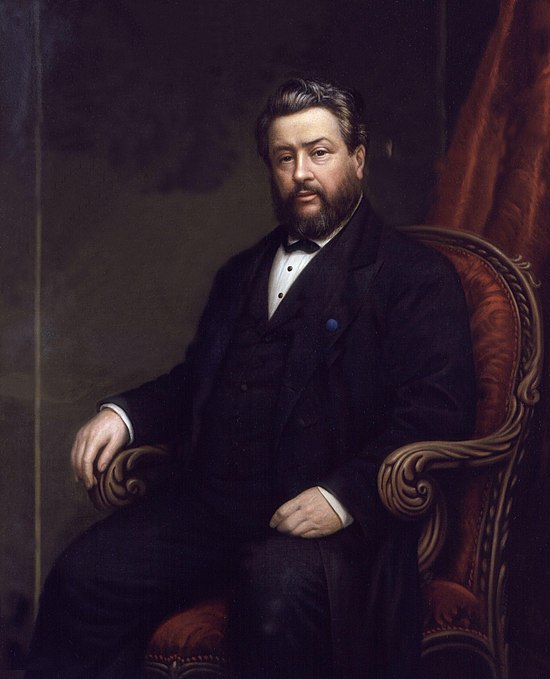
The sermon titled "Our Gifts and How to Use Them!" by C. H. Spurgeon centers on the theological principle of spiritual gifts and their utilization within the body of Christ. Spurgeon emphasizes that every Christian possesses at least one spiritual gift, as indicated in 2 Timothy 1:6 and Romans 12, and argues that these gifts must be actively fanned into flame through self-examination, purposeful action, and prayerful reliance on God's grace. He illustrates the variety and importance of these gifts—whether they be gifts of speech, influence, or prayer—and stresses the obligation of all believers to use their abilities for the advancement of the Gospel. The practical significance lies in the call for believers to actively engage in ministry, fostering a vibrant church community and contributing to the mission of evangelism.
Key Quotes
“The great Master has apportioned to every servant a gift. No single part of a vital body is without its function and position.”
“Let me say that again. When a man has the mind, and the speech, and a fervent spirit, then that man of God has great power.”
“Those who have the care of little children should be very careful, for a remark they may make without intention may shape the character.”
“If we have tasted of the water of life, then we need to cry aloud and let this be our message. Come, come, whoever is thirsty, let him come.”
The Bible instructs believers to fan into flame the gifts they have received from God (2 Timothy 1:6).
In 2 Timothy 1:6, the Apostle Paul urges Timothy to fan into flame the gift of God that he received through his ordination. This emphasizes that Christians are entrusted with unique abilities and responsibilities that should be utilized for the glory of God. Each believer has been given at least one gift, and it is imperative to recognize and cultivate these gifts. The perspective is that neglecting our God-given gifts impedes the growth and effectiveness of the Church.
2 Timothy 1:6, Romans 12
Spiritual gifts are validated through the scripture and the workings of the Holy Spirit in the life of the believer.
The truth of spiritual gifts is established in scripture, as seen in passages like Romans 12, where different gifts are assigned to different members of the body of Christ. A true believer may exhibit these gifts as they live out their faith, often recognized through their passions and the effectiveness of their ministry. The presence of the Holy Spirit in a believer's life confirms the legitimacy of these gifts, enabling them to serve effectively in their designated roles within the body of Christ.
Romans 12
Using our gifts is essential as it glorifies God and fulfills our purpose in the body of Christ.
Christians are called to use their God-given gifts not only for their personal growth but also for the edification of the Church. Each gift contributes uniquely to the body of Christ, ensuring that the Church functions effectively and achieves its mission. Failing to use these gifts results in a loss of potential blessings and a weakened community. As Spurgeon highlights, the obligation stems from gratitude for salvation and the desire to honor Christ by serving others and spreading the Gospel.
Romans 12, 1 Corinthians 12
You can fan into flame your spiritual gifts through self-examination, prayer, and active service.
Fanning into flame your spiritual gifts involves several steps: first, examine your abilities and assess what God has entrusted to you. Then, consider how these gifts can be actively applied in service to your family, community, and church. Engagement in prayer is crucial, asking God to empower and direct your efforts. Finally, the actual use of your gifts through service stimulates growth, clarity, and effectiveness, leading to greater accomplishments in your Christian walk.
2 Timothy 1:6, 1 Timothy 4:14
Neglecting spiritual gifts can lead to stagnation in growth and a reduced impact on the Church.
When believers neglect their spiritual gifts, they diminish not only their own growth but also the potential impact they could have on the Church and those around them. This can result in a lack of vibrancy within the community of faith, as each person's contributions are vital for the collective ministry. Furthermore, it may lead to a sense of regret when reflecting on how they used their time and resources, especially in light of Christ's immense sacrifice for their salvation. Ultimately, neglecting these gifts undermines the mission of the Church to spread the Gospel and serve the community.
Matthew 25:14-30, 1 Corinthians 12:12-27
Comments
Your comment has been submitted and is awaiting moderation. Once approved, it will appear on this page.
Be the first to comment!
