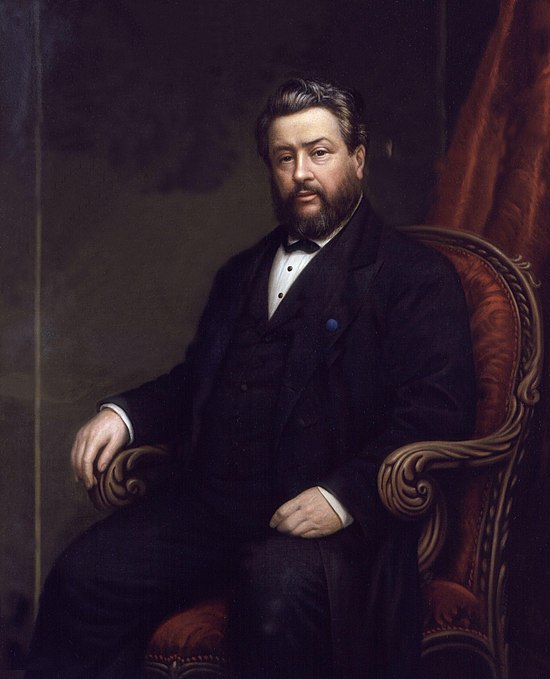
In this sermon, Charles Haddon Spurgeon addresses the pervasive issue of hypocrisy in the church, warning against the dangers of a superficial faith that lacks true inward spirituality. He outlines the characteristics of a hypocrite, emphasizing that their actions do not align with their words, and explores how they seek external validation through religious performance while ignoring internal righteousness. Scriptural references from Luke 12:1 and Matthew 7 serve to underscore the call to authenticity, highlighting the inevitable exposure of hidden sins and the importance of genuine faith. The practical significance of this sermon lies in its exhortation for believers to engage in self-examination and pursue a sincere relationship with God, recognizing that true faith entails both internal belief and outward practice.
“There is nothing concealed that will not be disclosed, or hidden that will not be made known.”
“The hypocrite can speak like an angel... But watch him when he comes to actions.”
“The true Christian... will always be making excuses for others but will never be making excuses for himself.”
“You may deceive men, and you may deceive yourselves, but you cannot deceive God.”
The Bible cautions against hypocrisy, labeling it as a dangerous sin that can lead to judgment (Luke 12:1).
Luke 12:1, Matthew 23:27-28
Signs of hypocrisy include acting contrary to one’s own teachings and seeking approval from others rather than God.
Matthew 7:1-5, Luke 12:2-3
Recognizing hypocrisy is vital as it helps maintain spiritual integrity and authenticity in faith.
Matthew 23:25-28
The cure for hypocrisy is recognizing God’s omnipresence and living in light of His scrutiny.
Hebrews 4:13, Galatians 6:7-8
Auto-generated transcript • May contain errors

Comments
Your comment has been submitted and is awaiting moderation. Once approved, it will appear on this page.
Be the first to comment!