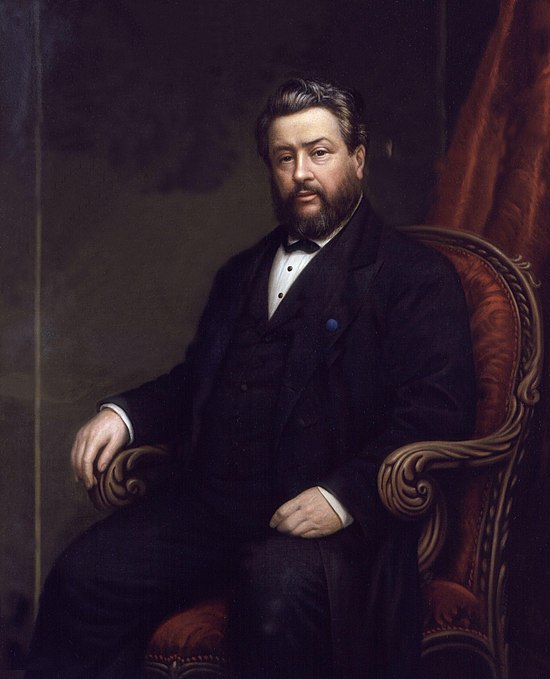
God's Will and Man's Will
Revelation 22:17; Romans 9:16
In C. H. Spurgeon's sermon "God's Will and Man's Will," he addresses the theological tension between divine sovereignty and human responsibility concerning salvation. Spurgeon argues that salvation ultimately rests on God's will, as supported by Romans 9:16 ("It does not depend on man's desire or effort, but on God's mercy") and Revelation 22:17 ("Whoever wishes, let him take the free gift of the water of life"). He contends that if salvation relied solely on human free will, it would undermine the power of God's grace and risk rendering Christ's atonement ineffective, effectively making salvation contingent upon man's fluctuating will. The sermon emphasizes the necessity of divine election and the efficacious grace of God, which works in the hearts of sinners to make them willing to receive salvation. Practically, the implications of these doctrines encourage believers to rely on God's sovereignty in salvation while understanding their role in genuinely responding to God's call.
“It does not depend on man's desire or effort, but on God's mercy.”
“If it is real willingness, I will venture to assert that that man is not far from the kingdom of God.”
“Whoever wishes, let him come and take the water of life freely.”
“You cannot say this does not mean you. You are willing, then come and drink.”
The Bible teaches that salvation depends on God's will, not man's effort, as stated in Romans 9:16.
Romans 9:16, Ephesians 1:4-5
Election is affirmed in the Bible through passages like Ephesians 1:4-5, expressing God’s choosing of His people before creation.
Ephesians 1:4-5, Romans 8:29-30
Human responsibility is important as it emphasizes our accountability in responding to God's grace and command to believe.
Revelation 22:17, Acts 17:30
It means that salvation is solely based on God's mercy and will, not on human actions or choices.
Romans 9:16, Ephesians 2:8-9
Auto-generated transcript • May contain errors

Comments
Your comment has been submitted and is awaiting moderation. Once approved, it will appear on this page.
Be the first to comment!