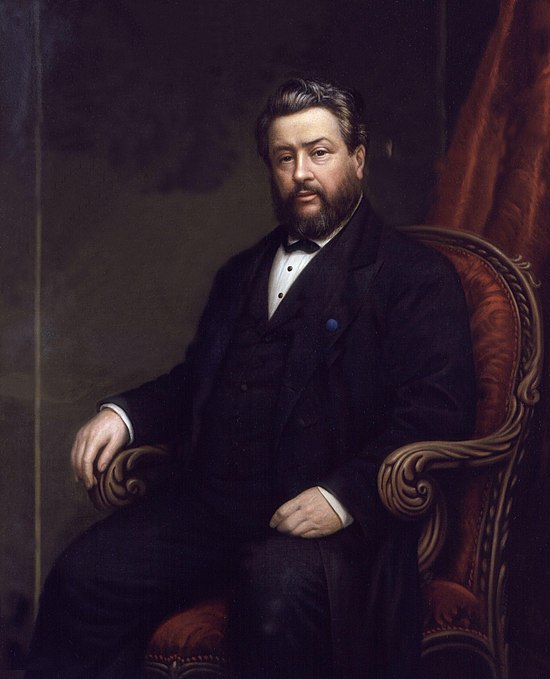
C. H. Spurgeon's sermon "The Minister in These Times!" addresses the crucial role of the ministerial calling and the importance of faithfully preaching the doctrine of Christ's Atonement in the face of modern challenges. Spurgeon emphasizes that the centrality of Christ as Savior must remain paramount in ministry, rejecting the temptation to allow contemporary philosophical notions to dilute the gospel message (Scripture references: 1 Timothy, Titus). He argues that the Atonement is foundational to the Christian faith, asserting that any deviation from its truth undermines the doctrines of justification and grace. Practical implications include the need for ministers to maintain integrity in their teaching while recognizing their position as representatives of Christ, leading with love and compassion for the lost, and upholding scriptural authority in all aspects of church life.
Key Quotes
“To attempt to preach Christ without His cross is to betray Him with a kiss.”
“Every man and woman is now set up as their own savior and the atonement is put on the shelf as a religious fraud.”
“We will not cease, dear brothers, in our ministry to preach most definitely and decidedly the atoning sacrifice.”
“We are commissioned to plead for Christ even as he is commissioned to plead for us.”
The Bible teaches that Christ's atonement is the central truth of His saving work, essential for our salvation and acceptance with God.
The atonement of Christ is a fundamental doctrine that emphasizes His role as our sacrifice and sin-bearer. Scripture asserts that Christ bore our sins in His body on the tree (1 Peter 2:24) and that through His blood, there is forgiveness, satisfying God's justice (Ephesians 1:7). Without emphasizing the atonement, we fail to understand the depth of Christ's work and how it relates to our salvation; thus, we must preach this truth clearly and with conviction. The modern tendency to diminish or misinterpret the atonement undermines core doctrines such as justification by faith, making it imperative for us to uphold the teaching of Jesus as the sole mediator of reconciliation between God and man.
1 Peter 2:24, Ephesians 1:7
Scripture affirms that Christ is the only mediator between God and man, as He fulfills this role uniquely through His life and sacrifice.
The uniqueness of Christ as our sole mediator is rooted in the teachings of Scripture. In 1 Timothy 2:5, we read that 'there is one mediator between God and men, the man Christ Jesus.' This declaration underscores the sufficiency of Christ, negating the need for any intermediary, such as priests or a priestly system, which many contemporary beliefs erroneously promote. Any claim of needing additional mediators diminishes Christ's all-sufficient sacrifice and creates a false view of the gospel. Thus, we must assert the biblical truth that our relationship with God is solely established through Christ's perfect work on our behalf, as He alone bridges the gap between humanity and the Divine.
1 Timothy 2:5
Accurate preaching of the gospel is essential because any deviation alters the core truths necessary for salvation.
The importance of preaching the gospel accurately lies in its ability to convey the truth of Christ's work and the essential doctrines of the faith, such as sin, redemption, and justification. When preachers compromise the message by introducing work-based salvation or diluting the gospel's calls to repentance and belief in Christ, they lead their congregations away from the true path of salvation. As Spurgeon emphasizes, the potency of the gospel lies not in man's inventions but in the message of Christ crucified, which alone has the power to save (Romans 1:16). Thus, ministers must remain faithful to the scriptural truths entrusted to them and resist the allure of innovation that can distract from the gospel's power.
Romans 1:16
Comments
Your comment has been submitted and is awaiting moderation. Once approved, it will appear on this page.
Be the first to comment!
