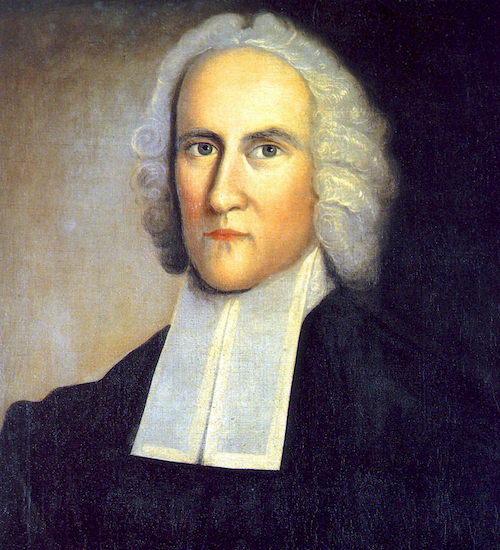
The sermon delivered by Jonathan Edwards centers on the profound theological concept of God's sovereignty in the realm of salvation, particularly as articulated in Romans 9:18. It emphasizes that God exercises His sovereign will in electing some individuals for mercy while hardening others, which upholds the Reformed doctrine of unconditional election. Edwards highlights examples from Scripture, including God's choice of Isaac over Ishmael and Jacob over Esau, to illustrate that divine election is rooted in God's free will and purpose, not human merit. He elucidates the implications of God's sovereignty, asserting that His exercising of mercy and judgment is consistent with His attributes and reveals His glory. The practical significance of this doctrine is a call for humility and reliance upon God's grace in salvation, recognizing that it is wholly an act of divine sovereignty rather than human effort or deserving.
Key Quotes
“The sovereignty of God is His absolute, independent right of disposing of all of His creatures according to His own pleasure.”
“God may save anyone He pleases, without prejudice to the honor of His holiness.”
“Let us with the greatest humility adore the awesome and absolute sovereignty of God.”
“No one, my friends, are to attribute their godliness, their safe and happy state and condition, to any natural difference between them and other men.”
The Bible teaches that God has the sovereign right to show mercy to whom He wills and to harden whom He wills (Romans 9:18).
The sovereignty of God in salvation is affirmed in Romans 9, where Paul emphasizes that God has mercy on whom He chooses and hardens whom He chooses. This doctrine highlights God's absolute authority and autonomy in the act of salvation. Paul illustrates this through examples from Old Testament figures, such as God's choice of Isaac over Ishmael and Jacob over Esau, demonstrating that God's election is rooted in His own purposes rather than human merit or decisions. God's sovereignty means He directs the course of salvation according to His divine will and pleasure, underscoring that neither mercy nor hardening is arbitrary, but part of His sovereign design.
Romans 9:18, Romans 9:12-13, Romans 9:15-16
The doctrine of election is grounded in scriptural assertions that affirm God's sovereign choice in salvation (Romans 9).
The truth of the doctrine of election is established through the clear teaching of Scripture, particularly in Romans 9, where the Apostle Paul discusses God's choices in salvation history. He cites God's decision to choose Jacob over Esau before they were born, indicating that God's election is not based on foreseen merit or actions but solely on His sovereign will. This principle is further affirmed by the examples of individuals like Moses and Pharaoh, demonstrating that God's sovereignty governs the fate of both the saved and the condemned according to His plan. Ultimately, the truth of election serves to glorify God’s grace and sovereignty, reminding us that salvation is a work of divine initiative.
Romans 9:10-13, Romans 9:15-18
God's sovereignty assures Christians that He is in complete control of their salvation and everything that pertains to it.
Understanding God's sovereignty is crucial for Christians as it fosters trust and reassurance in God's control over all aspects of salvation. The belief that God exercises His authority in choosing who will be saved stems from the biblical teachings in Romans 9, highlighting that God's decisions are rooted in His wisdom and good pleasure. His sovereignty ensures that salvation is not dependent on human effort or merit, but purely on God’s grace and divine will. This knowledge encourages believers to rely on God's promises, knowing that He exercises His sovereignty in a manner that promotes His glory and is ultimately for the good of those He has called. Thus, embracing God’s sovereignty fosters humility, gratitude, and dependence on His grace.
Romans 9:11-16, Ephesians 1:4-5
Comments
Your comment has been submitted and is awaiting moderation. Once approved, it will appear on this page.
Be the first to comment!
